Exploring the Science Behind Ultra-Low Temperature Storage
Deep cold technologies have revolutionized multiple fields by offering stable and efficient storage solutions. The ability to maintain environments where thermal energy does not interfere has enabled breakthroughs in many sectors.
The Transformation of Energy Logistics
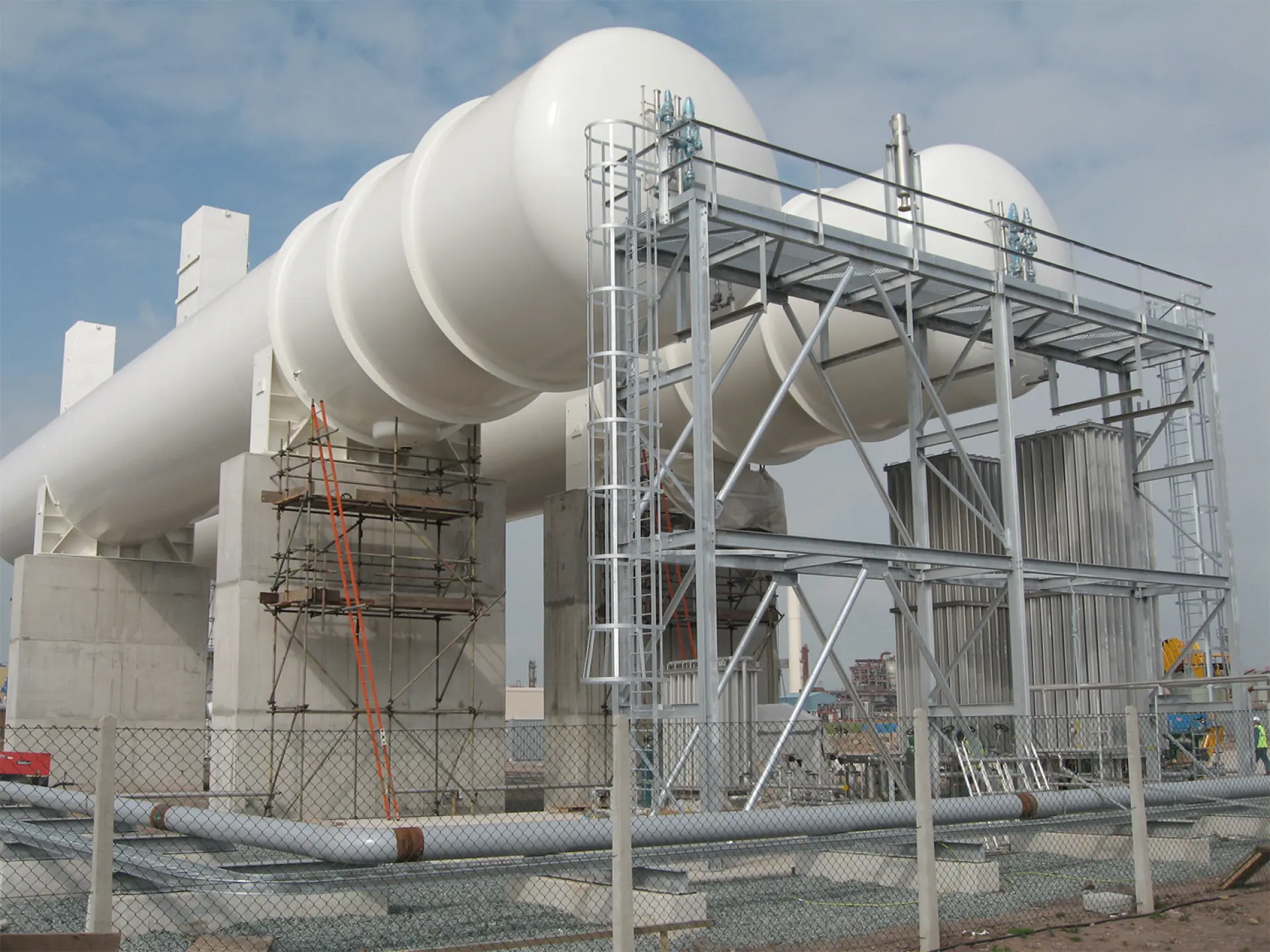
One of cryogenic technology's most significant impacts is in energy, especially for transporting volatile substances like natural gas. By converting natural gas into liquid form at around -162°C, the volume is reduced, simplifying shipping across oceans. This process, facilitated by massive cryogenic tanks designed to maintain low temperatures, makes global transport of energy resources feasible and cost-effective.
Energy infrastructure is evolving, with advancements in modular liquefaction plants allowing for faster construction and adaptability to regional needs. Modern storage systems now incorporate digital monitoring tools to ensure temperature stability, enhancing both safety and efficiency. These changes not only reduce energy loss but also improve the security and accessibility of energy resources, vital for balancing global supply and demand.
Engineering Matter for Advanced Computing
Cryogenic temperatures are essential for unlocking new capabilities in computing beyond classic technologies. As devices reach physical limits at room temperature, cooling offers new paths for developing quantum systems. At these temperatures, materials can conduct without resistance, crucial for processing information efficiently.
Research in this area focuses on maintaining device stability in cold environments, ensuring components function correctly despite temperature-induced changes in material properties. Such exploration lays the groundwork for technological advancements that will boost computing speed and efficiency dramatically. This exploration into cryogenic environments could propel quantum computing from experimental labs into mainstream technology.
A Critical Tool for Decarbonization
Cryogenic technology also proves crucial for environmental safety, particularly in capturing carbon emissions. By cooling emissions to ultra-low temperatures, waste gases can be separated and turned into solids or liquids, making them manageable for storage or reuse.
Technologies in this sector achieve impressive carbon capture rates, significantly helping mitigate greenhouse gas emissions. This approach integrates well with other sustainability initiatives, providing a robust method to address industrial emissions. By transforming waste into a storable product, cryogenic systems offer a promising solution for reducing the global carbon footprint.
Preserving the Blueprint of Life
In biological and agricultural fields, cryogenic storage acts as a time-freezer, essential for research and conservation. By keeping samples at temperatures as low as -80°C with liquid nitrogen, biological processes are paused, preserving integrity for future study.
Biobanks use these techniques to store genetic material and other biological samples, creating invaluable libraries for scientific study. By avoiding cell wall damage through precise temperature control, these innovations ensure long-term viability of samples critical for biodiversity and agriculture research.
The Material Science of the Extreme
Creating containers and machinery capable of withstanding cryogenic conditions is no small feat. Structural materials face brittleness at low temperatures, necessitating advanced materials science to develop durable alloys and composites.
Research continually seeks to optimize these materials to withstand thermal stress, creating safer and more reliable infrastructure for storage and transportation. This continuous loop of innovation ensures that as cryogenic technologies evolve, they remain safe and effective, supporting progress across industries.
Unlocking the Secrets to Preserving Delicate Biological Materials
Biological preservation is a cornerstone of modern science, with cryogenic methods taking center stage in maintaining cellular viability over time. This field's expansion is driven by the necessity for precision and reliability.
The Evolution of Equipment and Storage Efficiency
Modern cryogenic equipment is designed to meet demands for stability and efficiency, critical in handling sensitive biological materials like stem cells. Innovations focus on reducing energy burdens while boosting scalability, vital for large-scale research and commercial application.
The objective is to maintain uniform temperature conditions to ensure all samples remain viable, supporting a robust biobanking infrastructure where biological resources are safeguarded for future use.
Critical Protocols for Biological Integrity and DNA Preservation
Beyond equipment, methodical protocols are crucial for preventing harm during freezing. The use of rapid cooling procedures helps prevent damaging ice crystal formation, preserving DNA integrity for long-term research applications.
Preserving the "snapshot" of biological data at the moment of collection is invaluable for retrospective studies. This capability is not just functional; it ensures scientific data's reliability, enhancing our understanding of biological evolution and ecosystem responses.
Standardization and the Interdisciplinary Future of Biobanking
As cryopreserved materials proliferate globally, standardization becomes essential for comparability and reproducibility. Universal protocols for storing and handling samples ensure consistency across laboratories, essential for regulatory compliance and scientific credibility.
Collaboration across disciplines, integrating engineering, physics, and biology, strengthens this field, promoting advancements that ensure biological preservation extends further than ever while maintaining the integrity necessary for future medical breakthroughs.
Revolutionizing the Culinary World with Cryogenic Techniques
Cryogenic technologies are not limited to labs but are also revolutionizing culinary arts, creating new dimensions in food preservation and preparation.
Unlocking the Secrets of Aroma Retention
Preserving flavors is a central challenge in gastronomy, especially with spices and herbs. Cryogenic freezing addresses this by sealing aromatic compounds efficiently, maintaining their freshness until consumption.
Flavor preservation through instant freezing methods has been shown to retain a higher percentage of aromatic compounds compared to traditional methods. This technique enhances both the quality and depth of flavors, making dining experiences more vibrant and closer to their natural states.
The Physics of Texture and Cellular Integrity
Cryogenic freezing also impacts texture preservation. By rapidly lowering temperatures, food maintains its texture, avoiding the mushy aftermath of traditional freezing methods.
This precision in freezing preserves cellular integrity, turning cryogenic technology into a critical tool not just for flavor but also for the culinary experience, offering textures that are otherwise altered by slower freezing processes.
The Art of Cryogenic Grinding
Cryogenic grinding is transforming spice preparation by avoiding heat-induced flavor loss that occurs in standard grinding processes. Freezing spices to brittle states before grinding ensures that volatile oils and flavors are preserved.
This method allows for richer, more flavorful powders, essential in high-end gastronomy, where the full spectrum of spice flavors can be appreciated, offering nuanced and compelling dining experiences.
Expanding the Horizons of Molecular Gastronomy
Beyond preservation, cryogenic techniques enable new culinary creations by manipulating textures and temperatures, creating innovative dining experiences.
The ability to implement cryogenic processes in kitchens transforms how meals are prepared and experienced, elevating culinary arts into a realm of sensory exploration and discovery.
Energy Solutions: The Role of Cryogenics in Power Storage
Cryogenic technology critically intersects with energy storage, providing efficient solutions to traditional and renewable energy challenges.
The Evolution of Liquefied Natural Gas (LNG) Infrastructure
Facilitating global energy trade, LNG showcases the utility of cryogenics by making long-distance gas transport feasible through liquefaction, shrinking volume, and simplifying logistics.
Modular plant designs and flexible storage solutions alleviate geographic and market constraints, enhancing global energy transfer capabilities and supporting sustainable energy transitions by integrating conventional and renewable sources.
Liquid Air and Grid-Scale Energy Storage
Liquid Air Energy Storage (LAES) presents a groundbreaking approach by utilizing excess renewable energy. Liquefying air leverages cryogenic technology to create efficient, large-scale energy storage solutions.
By integrating cooling and expansion processes, LAES innovatively capitalizes on cryogenic principles to stabilize energy grids, offering a reliable mode of energy storage that complements renewable fluctuations and enhances grid resilience.
Specialized Transport: The Science of ISO Tank Containers
Cryogenic logistics rely heavily on specialized ISO tank containers. These multifaceted engineering solutions ensure safe, efficient global transport of liquified gases.
Vacuum-insulated and multi-layered for temperature maintenance, these containers exemplify cryogenics' centrality in supplying energy and industrial gases, reinforcing their role in industrial and healthcare logistics, and enhancing global trade.
Carbon Capture and Environmental Synergy
Cryogenic processes demonstrate vast potential for environmental preservation through effective carbon capture. By leveraging cold temperatures to separate CO2, this method integrates well with LNG regasification waste cold, reusing energy to optimize efficiency.
Such multifaceted cryogenic applications offer pathways for significant decarbonization, underscoring their critical role in sustainable energy strategies and environmental management.
By examining these diverse applications, we observe a world where cryogenics transcends cold to become a pillar of innovation and preservation, transforming industries and preparing society for future challenges.
Q&A
-
What is cryopreservation and how is it used in medical research?
Cryopreservation is the process of preserving cells, tissues, or any other biological constructs by cooling them to very low temperatures. This technology is crucial in medical research as it allows the long-term storage of biological samples without deterioration. It is widely used in preserving stem cells, sperm, eggs, and even embryos for future use in fertility treatments and regenerative medicine.
-
How does deep freezing technology benefit the food industry?
Deep freezing technology, a form of cryogenic preservation, is employed in the food industry to maintain the quality and extend the shelf life of food products. By rapidly freezing food at extremely low temperatures, this technology helps in retaining nutritional value, texture, and flavor, thereby ensuring that food remains fresh from farm to table. It also aids in reducing food waste and improving global food supply chains.
-
What are cryogenic batteries and what advantages do they offer?
Cryogenic batteries are a type of energy storage system that operates at extremely low temperatures. These batteries offer several advantages, including higher energy density, improved efficiency, and longer life spans compared to conventional batteries. They are particularly beneficial in applications where weight and space are critical factors, such as in aerospace and electric vehicles.
-
Can you explain the concept of cryonics and its potential future applications?
Cryonics is the speculative practice of preserving individuals at very low temperatures after death, with the hope that future medical advancements may allow for revival and treatment of the conditions that led to their demise. While currently not scientifically validated, cryonics raises intriguing possibilities for future applications in life extension and medical science, potentially offering solutions to currently incurable diseases.
-
What role does cryogenic technology play in the preservation of cells?
Cryogenic technology plays a pivotal role in the preservation of cells by allowing them to be stored at ultra-low temperatures, often using liquid nitrogen. This method prevents cellular damage and metabolic activity, thus maintaining the cells' viability and functionality over extended periods. It is essential for research labs, biobanks, and clinical settings that require reliable long-term storage of biological specimens.