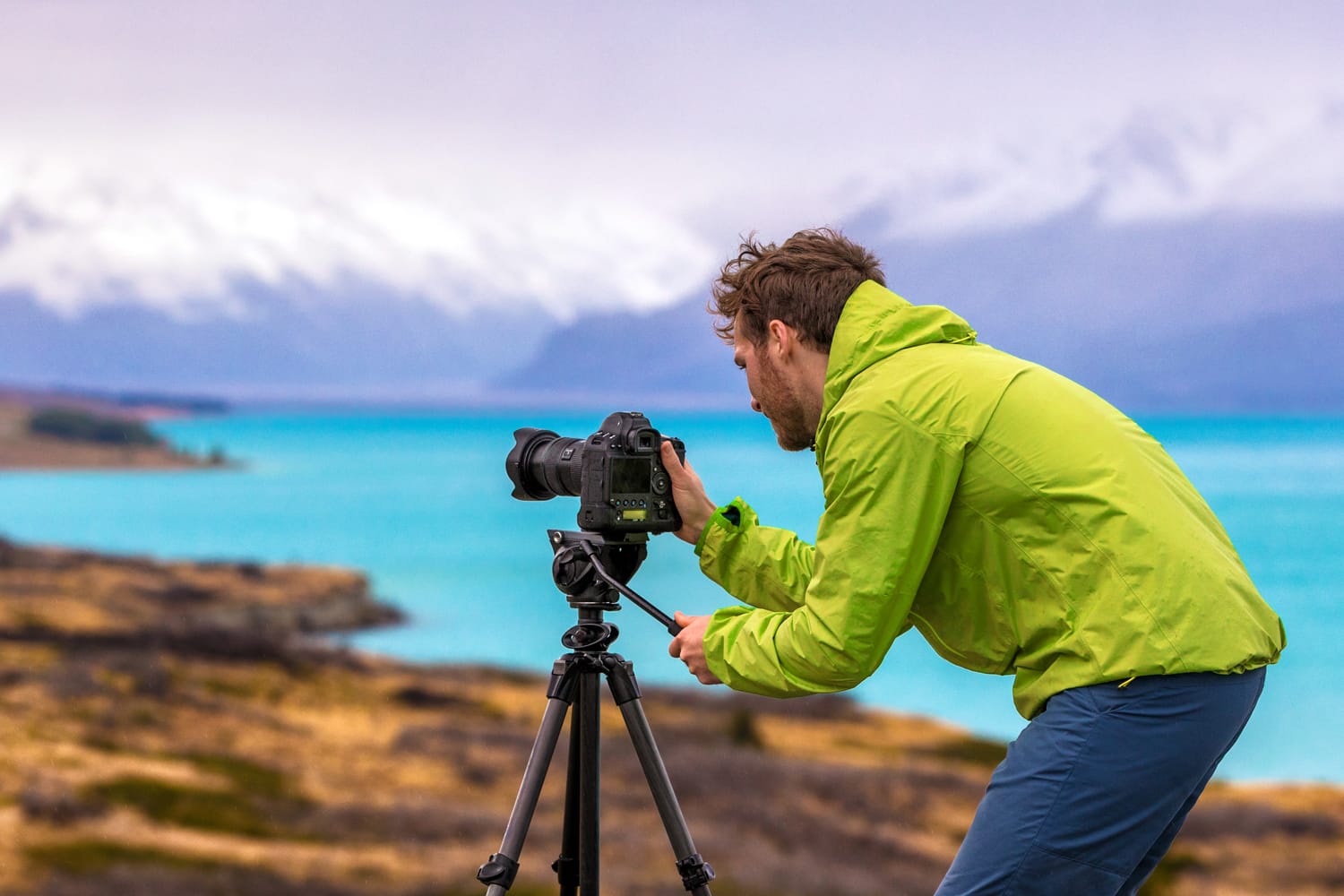
Capturing the Magic of Light: Precision in Timing
Mastering the art of photography is synonymous with mastering light. Each nuance of sunlight and shade plays a pivotal role in telling visual stories. Understanding these transitions, particularly during key moments of the day, is crucial for photographers in capturing the magic of their environment.
1. The Art of Anticipation in Photographic Expeditions
Timing is everything. Especially when harnessing the unique qualities of light—those moments when the landscape is transformed through the soft glow of the sky's most dramatic hues. The "Golden Hour" and "Blue Hour" are spellbinding times when natural light transforms the ordinary into the extraordinary. These periods offer a palette of warm amber and profound blues, casting long shadows and defining characters with a unique contrast that no artificial light can match.
Photography schedules should prioritize these windows. Detailed maps and planning guides focusing on these hours help in capitalizing on perfect light conditions. This includes recognizing seasonal shifts and regional differences that affect the timing and character of these magical moments. By incorporating these guides into your planning, you ensure that when the Golden and Blue Hours unfold, you are ideally set to capture scenes that resonate with depth and warmth.
Being on location early and conducting studies on where the sun will rise or set in relation to landmarks elevates a simple composition into a coveted piece of art. Whether aiming for side lighting to emphasize textures or backlighting to capture a silhouette, anticipation sets the stage for the perfect shot. Moreover, atmospheric elements add another layer of enchantment to your images. Mist, fog, or storm clouds, perceived as hindrances, actually provide great opportunities to diffuse sunlight, creating a softbox effect that conveys mood and intrigue.
2. Technical Agility for Dynamic Scenes
Artists operating in unpredictable natural settings must rely on more than intuition; they need technical prowess to quickly adapt to environmental changes. Light is always in flux, and photographers must be adept in handling complex or rapidly changing conditions to maintain the essence of each shot.
In high-contrast settings, automatic settings often lead to compromise, losing critical details in highlights or shadows. Exposure compensation becomes a key tool, allowing manual adjustments to preserve important image aspects. For photographers capturing action or motion, understanding shutter speed is paramount. A fast shutter holds action still, while a slow one can beautifully express motion and energy.
Practical techniques refine images further. For instance, bracing a lens against a stable surface can reduce reflections when capturing through glass. Additionally, new technologies like in-camera simulation of neutral density effects allow long exposures in otherwise less-than-ideal conditions. Mastery of these tools becomes intuitive, enabling quick responses to the transient moments that unfold on expeditions.
3. Navigating Light Transitions: Day to Night
Photographing the shift from daylight to nighttime is one of the most challenging yet rewarding experiences. The "Blue Hour" offers a spectacular interaction between the receding daylight and artificial city glow. This fusion presents photographers with the perfect opportunity to blend the cool tones of natural light with the warm hues of urban illumination.
Achieving the right balance involves perfect timing; capturing the moment where these lighting elements are in harmony requires skill and precision. Tripods become necessary for steady long exposures. Understanding the color temperatures of various city lights allows composition with contrast to create vivid, lively urban portraits. Utilizing manual modes ensures consistent exposure, allowing the narrative to unfold with continuity, even when city lights flicker unpredictably.
Navigating Permits and Ethical Boundaries in Photography
An expedition is as much about preparation as it is about spontaneity. Navigating legalities, respecting local customs, and ensuring ethical interactions are at the heart of responsible photography.
1. Understanding Permits for Stress-Free Shooting
Forming the backbone of a photographic journey is the ability to navigate permit requirements and restrictions. Securing permits is essential, as it prevents interruptions and legal issues. Different projects have different legislation, and understanding this facet can avert potential fines or confiscation difficulties.
Photography is classified differently across nations. Misconceptions abound about what constitutes 'commercial' work—often including blog or social media use—making understanding local law crucial. With drones, a separate application and compliance with no-fly zones are necessary to protect the environment and inhabitants.
Knowing which institutions govern which regions—a state authority, federal body, or indigenous council—is crucial. Continual dialogue and collaboration with authorities often foster relationships that elevate access. Early application, with a strategic timeline and a complete package, guarantees smoother approvals, ensuring rich possibilities for creativity on your travels.
2. Respectful and Ethical Practices
Successful photography depends heavily on ethical practices, especially when involving communities or sacred places. Consent is a cornerstone of ethical portraiture, requiring clear communication and understanding. Overstepping cultural boundaries with ignorance can damage relationships and perpetuate stereotypes. Therefore, pre-departure research into cultural norms is not only respectful but enhances the authenticity captured in imagery.
Understanding the depth and context behind traditions prevents trivialization and fosters richer narratives. These informed approaches yield images that avoid clichés, instead offering genuine respect and representation. Such careful photojournalism is what elevates work from merely visual to deeply cultural.
Moreover, the dynamic between photographer and subject needs managing. Avoid exploiting or objectifying in visual representations. Every decision—lighting, composition, angle—carries an emotional narrative. Aim for dignity and authentic representation in the image-making process, which builds on mutual respect and collaboration, ideally presenting the subject’s perspective and dignity efficiently.
Securing Your Equipment in Challenging Environments
Professional gear is an extension of a photographer's eyes. When on the road, safeguarding equipment isn't just prudent—it's essential.
1. Security Techniques for Travel
No corner of the world is free from theft. Subtle security precautions keep a photographer’s gear safe without sacrificing accessibility. One critical move is opting for discreet bags that don't highlight their contents. Externally unattractive yet internally sound, padded bags can ward off opportunistic threats. Enhanced methods like using lockable straps or bags with slash-proof materials considerably minimize the risk of theft.
Even adjustments like masking brand logos or wearing straps securely across the body reduce risk. Reinforced backpacks with lockable features protect critical technology and personal items against loss or damage effectively.
2. Environmental Protection Measures
Environmental challenges pose threats equal to theft. Whether protecting against humidity with silica gel or securing gear in durable cases during water-bound or dusty conditions, planning is paramount. Tripods, considered auxiliary, must still offer reliability without risk, providing stability in unstable environments.
Gear maintenance extends the equipment's functional lifespan, reducing the effects of exposure to elements continuously faced on expeditions. Ideal planning ensures all contingencies are covered, providing the latitude to exploit creative opportunities rather than worrying about technical failures.
3. Backup Strategy: Protecting Your Artistic Output
In an age where data represents one's work and livelihood, robust electronic backup protocols are vital. Losing valuable shots due to memory card corruption or hardware failure is devastatingly avoidable. Establishing a routine, ideally creating three duplicates stored across drive and cloud facilities, is recommended.
Though cloud solutions provide accessibility, physical redundancy remains crucial in locations with limited connectivity. Meanwhile, security extends into financial realms too—protecting information from digital theft and redundancy, safeguarding personal and sensitive client data wherever your travels take you.
Storytelling: Crafting Immortal Visual Narratives
The post-photography process lies at the crux of shaping compelling narratives. Editing transforms raw captures into cohesive narratives that communicate more than the sum of individual photos.
1. Curating Images for Narrative Impact
Editorial processes are central to compelling storytelling, involving painstaking selection and sequencing. A coherent flow elevates storytelling through precise culling, selects images that project the emotional trajectory central to narratives. The dynamic balance achieved shapes viewer engagement and draws attention to focal 'hero' shots that define the gallery.
Sequencing functions as temporal language; through rhythm and pacing, images guide audiences through the photographer's realized visual expressions.
2. Influence of Tone and Color
Post-processing encompasses more than correction; it provides emotional language through crafting specific tones and color dynamics. Consistent color grading and tonal style imbue projects with 'voice'. Color desaturation lends focus and adjusts emotional weight; judicious application of warmth or vibrancy links image aesthetics with intended emotional pull.
Through color management, photographers direct viewer perception, crafting a seamless journey through interconnected frames seeing continuity between artistic vision and reality.
3. Technical Workflow and Organizational Mastery
Achieving high-level narrative requires a technically rigorous workflow supported by professional post-processing. Effective organization, via software offering non-destructive editing and robust file management, positions photographers to view projects holistically.
By utilizing advanced editing practices, tasking lens corrections and image boundary manipulations, photographers correct imperfections and preserve focus solely on storytelling. These careful, technical curation choices remove narrative friction, permitting smooth transitions between moments frozen in time.
From Vision to Realization
Expedition photography transcends the simplicity of point-and-shoot; it’s a journey from consideration to presentation, where each element informs and enriches the others. By meticulously planning and combining preparation with reactionary skill, photographers breathe life into the visuals they capture, ensuring that every image is not just seen but felt, shared, and remembered.
Q&A
-
What is Golden Hour & Blue Hour Mapping and why is it important for photographers?
Golden Hour & Blue Hour Mapping refers to the practice of identifying and utilizing the specific times of day when natural light is most favorable for photography. The Golden Hour occurs shortly after sunrise and before sunset, offering warm, soft light that enhances colors and textures. The Blue Hour, just before sunrise and after sunset, provides a cool, diffused light perfect for capturing serene and atmospheric scenes. Understanding these periods helps photographers plan shoots for optimal lighting conditions, leading to more aesthetically pleasing and impactful images.
-
How do local permit regulations affect photography projects, and what should photographers be aware of?
Local permit regulations can significantly impact photography projects, especially when shooting in public or private locations. Photographers should be aware of the need for permits to avoid legal issues, fines, or disruptions during their shoots. Regulations may vary based on the location, type of shoot, and equipment used. It's essential for photographers to research and obtain necessary permissions well in advance, ensuring compliance with local laws and smooth execution of their projects.
-
What are some best practices for gear security on the road?
Ensuring gear security on the road involves several best practices, such as using sturdy, lockable camera bags, and never leaving equipment unattended. Photographers should consider insurance for their gear and maintain a detailed inventory of their equipment. When traveling, keeping gear with you rather than in checked luggage and using discreet bags that don't scream "expensive equipment inside" can help mitigate theft risks. Additionally, utilizing security cables or locks when storing gear in hotel rooms or vehicles can provide extra protection.
-
Why are ethical portrait practices crucial in photography, and how can photographers implement them?
Ethical portrait practices are crucial to respecting the rights and dignity of subjects, fostering trust, and ensuring the authenticity of the images. Photographers can implement these practices by obtaining informed consent, clearly communicating the purpose of the portrait, and respecting the subject's comfort and boundaries. It's also important to consider cultural sensitivities and privacy concerns, ensuring that the portrayal is respectful and truthful. By prioritizing ethics, photographers can build better relationships and create more meaningful and honest portraits.
-
How can storytelling through editing enhance a photographic project?
Storytelling through editing enhances a photographic project by crafting a cohesive and compelling narrative from a series of images. This involves selecting photos that best represent the story's theme, arranging them in a logical sequence, and using editing techniques like color grading, cropping, and retouching to emphasize key elements. Effective storytelling through editing engages viewers emotionally, guiding them through the visual journey and enhancing their understanding and appreciation of the project’s message or theme.
-
What is niche subject research, and how can it benefit photographers?
Niche subject research involves thoroughly exploring a specialized topic or theme that may not be widely covered or understood. For photographers, this research can uncover unique perspectives and stories that differentiate their work from others. By delving into niche subjects, photographers can develop expertise and create compelling, distinctive images that appeal to targeted audiences. This approach can also open up opportunities for collaboration, publication, and exhibition in specific interest areas.