Decoding the Mechanics of Advanced Chips
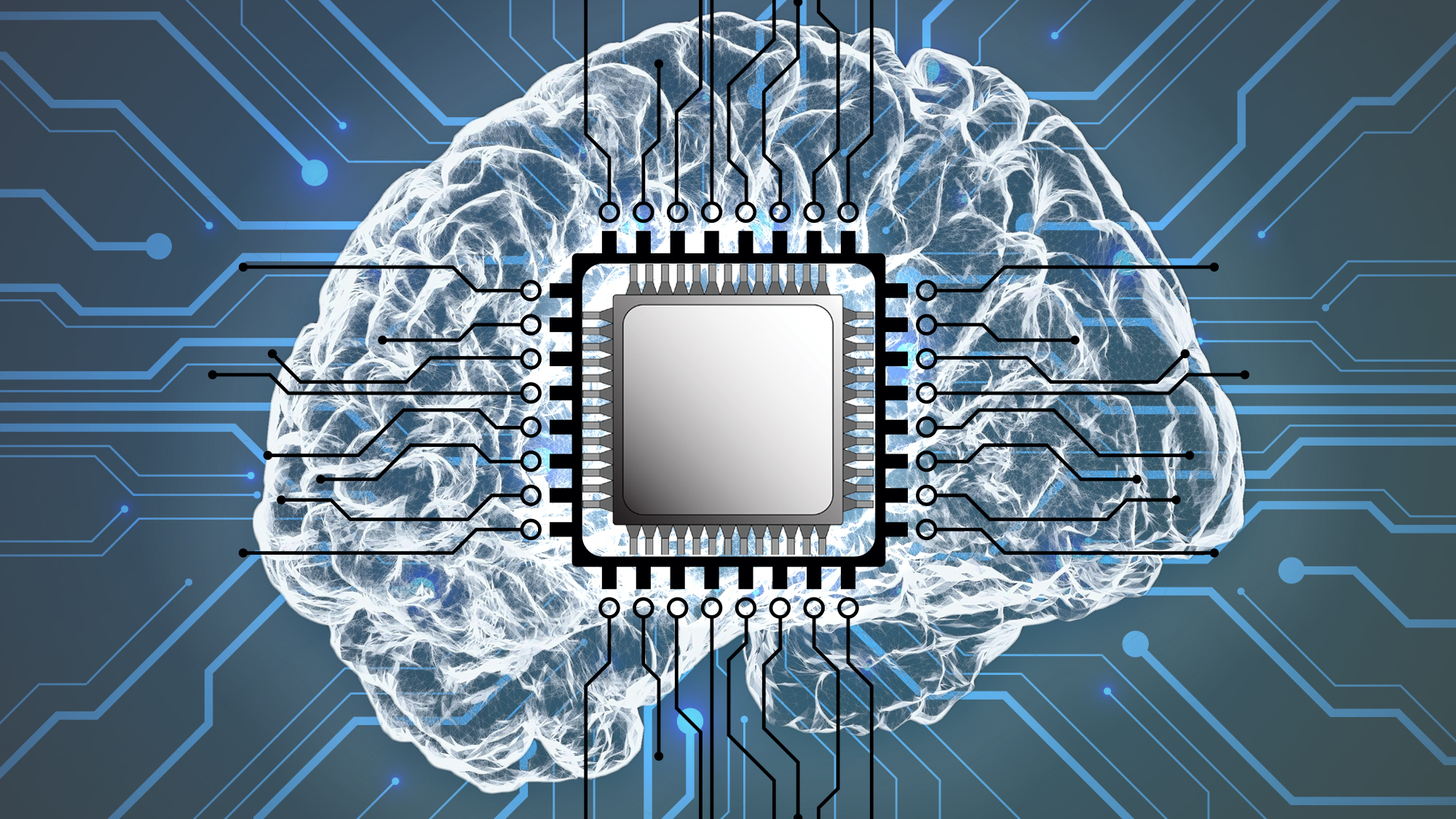
Recent transformations in the architecture of computing are shaping a future where inspiration comes directly from the human brain. This transition is driven by the goal of attaining highly efficient and adaptable systems. The fundamental principles of this technology challenge traditional computing methods, instead paving the way for truly intelligent systems through unique architectures that mimic neuronal structures.
Brain-Inspired Architecture: A Paradigm Shift
Understanding this paradigm begins with examining how brain-like systems process information. Traditional computing operates with binary logic—absolute zeros and ones—but these biological-inspired systems use an event-driven model. Here, circuits only activate when necessary, similar to how neurons respond to stimuli. This concept is integral in reducing energy consumption significantly as opposed to the continuous operation of conventional processors.
This approach also integrates learning abilities in the circuitry itself through spiking neural networks. The mimicry of neurons and synapses allows these chips to adapt and learn in real-time, offering solutions to complex problems akin to biological processes. Researchers from institutions such as MIT and Stanford are optimizing these neuromorphic architectures to improve energy efficiency significantly, particularly for applications in edge computing environments.
The key to this efficiency lies in the novel taxonomy of architectures emphasized in recent research. This taxonomy categorizes neuromorphic designs by how they manage data, model cognitive processes, and integrate these systems within different environments. Such innovations make it possible to approach tasks such as pattern recognition and real-time adaptive learning in new and groundbreaking ways.
Bridging Digital and Analog Worlds
Spiking neural networks are at the heart of these neuromorphic systems, offering a bridge between digital precision and the analog world's fluidity. These networks emulate the function of the human brain by processing inputs as spikes of electrical activity rather than static logic states. This flexibility allows for richer data encoding and more precise control over processing tasks.
Researchers across leading institutions, including the University of Cambridge, are leveraging this technology to create cognitive systems that seamlessly manage incomplete or "noisy" data. The inherent stochastic nature of some neuromorphic materials can even enhance certain applications, such as probabilistic inference models needed for complex decision-making under uncertainty. As these systems evolve, they are being fine-tuned to meet the demands of both small, energy-constrained devices and larger, more powerful computing setups.
Revolutionary Building Blocks: New Materials and Components
The evolution from classical to neuromorphic systems is not merely a software update—it's a fundamental rethinking of the materials and components that form the basis of processing technologies. The discovery and optimization of key elements are reshaping the landscape of hardware design for cognitive computing.
The Pioneering Role of Memristors
One of the most groundbreaking components in this new generation of chips is the memristor or memory resistor. This device combines memory and logic functionality, overcoming the limitations of separate memory and processing units in traditional architectures. By introducing zero-power non-volatile memory capabilities, memristors dramatically cut down energy consumption, which is vital for mobile and embedded systems.
The research led by universities such as the University of California Berkeley and the University of Oxford has significantly improved memristor technology. They have achieved enhanced retention and faster switching speeds, which are crucial for real-time learning in applications such as autonomous vehicles and IoT devices. By utilizing phase-change materials and other innovative substances, memristors perform both storage and logic operations within the same framework, demonstrating unprecedented efficiency.
These advancements are not only technical; they offer tangible benefits by allowing for in-memory computing systems where operations occur co-located with data storage. This shift eliminates the need for the constant data transfer that burdens traditional memory-processing operations. As a result, devices become capable of highly complex computations with minimal energy requirements, aligning closer with the efficiency of biological intelligence.
Emerging Synaptic Transistors
Complementing memristors, synaptic transistors bring the intricacies of biological synapses to electronic systems. These components enable dynamic learning and pattern recognition directly on the hardware, without the need for extensive software overhead. Inspired by synaptic plasticity—the ability of synapses to strengthen or weaken over time—these transistors allow for real-time adaptation within a system.
Innovations from research hubs such as the National Institute of Standards and Technology (NIST) point to the successful integration of synaptic transistors with other cognitive computing components. This integration supports sophisticated tasks like real-time data processing and contextual learning. By leveraging materials science advancements, these transistors exhibit varying levels of conductivity, mirroring the nuanced communication within neuronal networks.
Synaptic transistors are pivotal in applications that require robust, scalable cognitive architectures. They facilitate the transition toward neuromorphic systems that not only consume less power but also exhibit higher adaptability and cognitive capability, thereby extending the range of potential applications in areas like robotics and autonomous systems.
Real-World Applications and Implications
The practical deployment of neuromorphic circuits promises to revolutionize various industries by providing high-performance, low-power computing solutions capable of performing complex tasks with unprecedented efficiency.
Transforming Healthcare with Advanced Solutions
In healthcare, neuromorphic circuits offer transformative potential by enabling smart, connected medical devices capable of processing data locally. These devices efficiently manage functions like real-time patient monitoring and diagnostics due to their low energy consumption and high adaptability. Neuromorphic architectures revolutionize medical imaging and diagnostics by reducing latency and increasing responsiveness—essential for critical patient care scenarios.
By embedding cognitive functions into portable and wearable health monitoring devices, healthcare practitioners can offer personalized treatment plans and improve patient outcomes. Such advancements make it possible to continuously monitor physiological signals and detect early warnings of medical conditions in real time, enhancing the overall quality of medical care.
Enhancing Security and Everyday Systems
Expanding into security and surveillance, the application of neuromorphic chips is optimizing real-time image recognition and biometric verification systems. Devices equipped with such technology can efficiently analyze video feeds and biometric data to detect anomalies or threats quicker and with greater accuracy than traditional systems. These capabilities are crucial for maintaining safety and privacy in densely populated or highly sensitive environments like airports and large public events.
By processing data locally, these systems protect users' privacy and reduce the risks of data breaches associated with centralized cloud systems. This aspect is especially significant as data privacy concerns rise globally. Real-time processing ensures immediate response capabilities, enhancing security monitoring's effectiveness, and further cementing neuromorphic chips' role in safeguarding technological ecosystems.
Pioneering the Industrial Landscape
In industries ranging from manufacturing to logistics, neuromorphic technology facilitates the development of smarter, more collaborative robotic systems. These systems are more integrative with human workers, enabling safer workplace environments through adaptive, real-time interaction. Neuromorphic circuits improve the autonomous functions of industrial robotics, making them more intuitive and less dependent on pre-coded instructions.
Real-world applications extend to immersive simulation environments used for training and industrial design. By leveraging powerful computational capabilities at lower power costs, these advanced systems can render realistic simulations in real-time, aiding in the development of new products and processes without the traditional constraints of computational power and cost.
Challenges and Future Trends in Neuromorphic Integration
While the potential of brain-inspired chips is immense, transitioning from innovation to widespread application entails several challenges and considerations for future research and development.
Navigating Integration Complexities
A major hurdle in neuromorphic computing is effectively integrating these new technologies into existing systems, demanding architectural and software innovation. Development in areas such as neural architecture optimization and simplifying cognitive models without decreasing their functionalities is crucial for successful adoption across different industries.
Advancing Efficiency and Precision
The need for a balance between precision and efficiency is another critical aspect. While computing demands high precision, neuromorphic systems benefit from accounting for biological noise and imprecision. Identifying the optimal level of accuracy for different applications is key to fully harnessing the potential of neuromorphic chips while maintaining low-energy operations.
Accelerating Widespread Adoption
Overcoming latency issues and addressing real-time operational needs remain challenges to solidify neuromorphic systems' position as fundamental elements in computing environments. Establishing standardized programming frameworks will accelerate development, making it easier for industries to adopt and implement these innovative solutions.
The pursuit of understanding and developing neuromorphic systems is on the cusp of significant breakthroughs. As they continue to integrate seamlessly into various sectors, these brain-inspired circuits hold the promise of a new age of intelligent computing, mirroring the intricacies of biological processes while expanding the potential applications of artificial intelligence.
Q&A
-
What are Brain-Inspired Chips and how do they differ from traditional computer chips?
Brain-Inspired Chips are designed to mimic the functioning of the human brain, offering a more efficient way to process information by emulating neural networks. Unlike traditional computer chips that perform sequential processing, brain-inspired chips use parallel processing, which allows for faster and more energy-efficient data handling, making them ideal for applications in artificial intelligence and machine learning. -
How do Synaptic Transistors contribute to the development of Cognitive Computing?
Synaptic Transistors are crucial components in neuromorphic circuits that simulate the synaptic activity of the human brain. They enable devices to learn and adapt over time by adjusting the strength of connections based on activity levels, similar to how human learning occurs. This adaptability is fundamental to cognitive computing, where machines are expected to understand and respond to complex patterns and data. -
What role do Neuromorphic Circuits play in advancing Spiking Neural Networks?
Neuromorphic Circuits are designed to emulate the neural architectures of the brain, which include Spiking Neural Networks (SNNs). SNNs process information through discrete spikes of electrical signals, akin to neuron activity in the brain. Neuromorphic circuits enable the implementation of SNNs by providing the necessary hardware to efficiently simulate these biological processes, leading to advancements in real-time data processing and autonomous systems. -
How do Memristors enhance the capabilities of neuromorphic computing systems?
Memristors are a type of non-volatile memory that can retain information without power, making them highly efficient for neuromorphic computing systems. They mimic synaptic plasticity, the ability of synapses to strengthen or weaken over time, which is essential for learning and memory. Memristors enable the development of more compact and energy-efficient computing systems by integrating memory and processing capabilities into a single device. -
What are some potential applications of Spiking Neural Networks in real-world scenarios?
Spiking Neural Networks have the potential to revolutionize fields such as robotics, autonomous vehicles, and sensory processing. They can be used to develop systems that require real-time decision-making and adaptive learning, such as drones that navigate complex environments or smart sensors that detect and respond to environmental changes. Their ability to process information efficiently and adaptively makes them suitable for a wide range of applications in artificial intelligence and beyond.