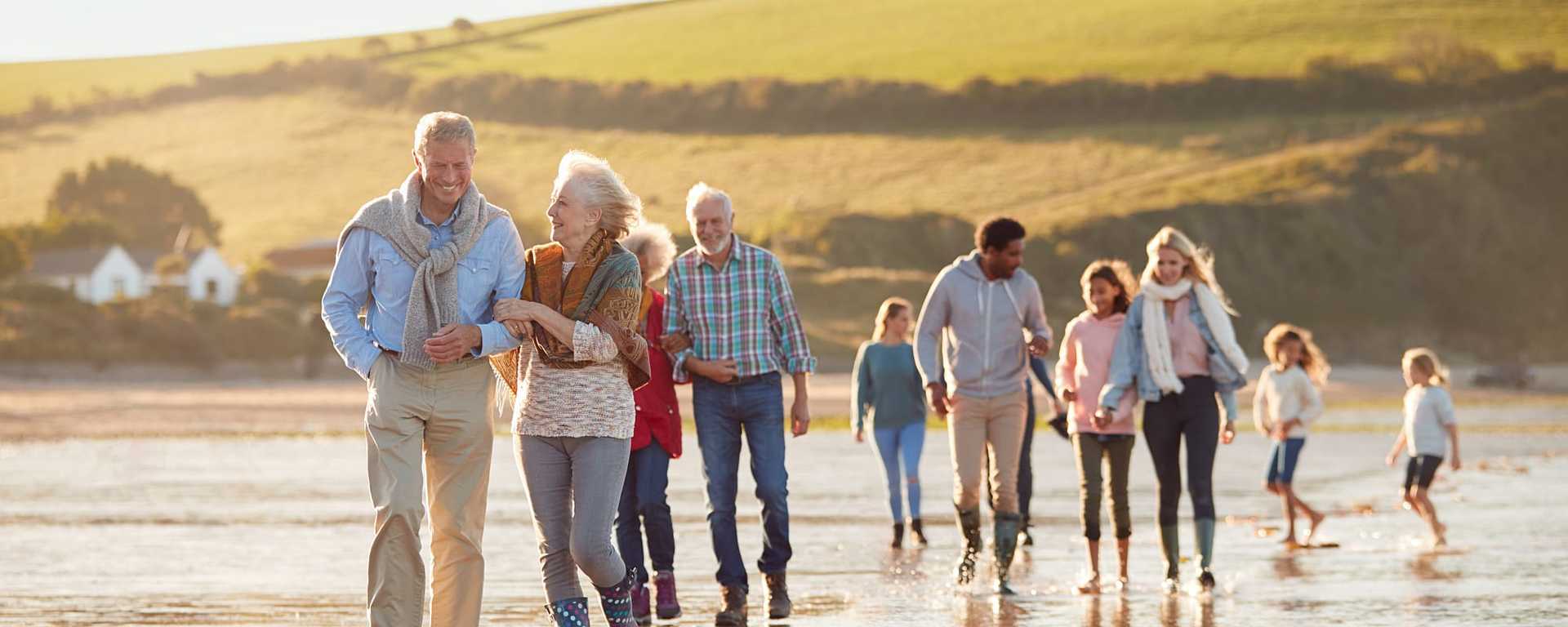
Unlocking Family Fun: Crafting Exciting and Inclusive Itineraries
Creating a travel plan that accommodates and delights multiple generations requires more than ticking boxes on a tourist itinerary. It demands a balance of activities that are diverse, enjoyable, and inclusive, ensuring that each family member, regardless of age, finds something to cherish.
Finding the Perfect Balance for Every Age Group
When planning a journey for family members ranging from toddlers to grandparents, understanding that each has different needs and preferences is vital. A successful itinerary is built on inclusivity, ensuring everyone feels part of the adventure. Instead of pushing through a list of landmarks, focus on experiences that allow each person to engage comfortably.
Venues that offer multiple layers of engagement work best. For instance, cultural heritage sites often have both historical tours and interactive exhibits, letting an inquisitive child explore tactile displays while adults delve into more detailed historical narratives through guided tours. This flexibility ensures everyone participates at their own pace, without feeling left behind or rushed.
Moreover, the art of compromise is critical. By involving all family members in the initial planning stages, you actively listen and find common interests, ensuring that no one's needs overshadow others. Cooking classes, for example, can be universally appealing; they stimulate conversation, invite participation, and culminate in a shared meal, uniting the group through sensory shared experiences.
Incorporating Rest and Exploration in Equal Measure
Another critical aspect is balancing active exploration with essential downtime. A well-considered schedule that alternates between activity and rest prevents fatigue and maintains group harmony. This involves identifying key points in each day for relaxation, which can be as simple as enjoying a mid-morning coffee at a scenic spot or the children engaging in unsupervised play in a safe environment while adults rest.
Quiet moments are not just "breaks" from the adventure; they are opportunities for reflection and connection. A grandparent reading a favorite story to a child or the family gathering quietly in a park for a homemade picnic can be as memorable as a sightseeing expedition. Strategically placing these moments into the day ensures the trip's tempo suits everyone, fostering a sense of renewal and joy.
Pace Perfect: Navigating Activities for All Generations
A family trip's heart lies in its rhythm. Striking a balance between the enthusiasm of younger generations and the measured pace preferred by older family members creates the foundation for a harmonious journey.
Understanding and Respecting Biological Rhythms
Each age group operates on a unique internal clock, influencing their stamina and energy throughout the day. Morning larks, often the youngest family members, might be full of energy at dawn, ready to explore before anyone else. On the other hand, teenagers may prefer sleeping in, hitting their peak energy in the afternoon or evening.
Adapting the daily itinerary to respect these rhythms reduces stress significantly. Start with light, flexible activities in the morning for early risers. As the day progresses, incorporate engaging yet low-key activities, such as museum visits or nature walks. This allows everyone to gradually sync up, maximizing enjoyment without causing undue strain.
Including designated "quiet hours" also turns potential stressors into moments of peace. Not only do these breaks provide physical rest, but they encourage mental rejuvenation, letting family members process their experiences collaboratively through informal conversations and reflections.
The Art of Flexibility in Travel
Flexibility is another cornerstone of a well-paced family trip. Plans may change due to weather, health, or simple preference. Maintaining a flexible mindset embraces this unpredictability, allowing spontaneous moments of joy to unfold naturally. Being prepared to alter plans, like substituting an outdoor excursion with an indoor activity, ensures no one feels pressured to adhere strictly to the schedule.
Moreover, dividing responsibilities among family members empowers everyone. When both older and younger generations contribute to decisions, it fosters a collective ownership of the journey. Letting the younger ones lead on simpler tasks, like choosing the next meal spot, gives them a voice and ensures that the trip feels inclusive rather than dictated.
Integrating these elements within the trip not only helps manage energy levels and interests but encapsulates the essence of a multigenerational journey—where every participant has the opportunity to enjoy the adventure in their own time and style.
Safety First: Preparing for Medical Emergencies While Traveling
The joy of family travel is most sustainable when safety is a priority. Preparing for potential medical situations is essential, ensuring that even in unforeseen circumstances, family members can move forward with confidence and peace of mind.
Planning for Diverse Health Needs
Every family journey should begin with a comprehensive assessment of each member's health needs. Understanding chronic conditions, medication requirements, and potential health risks enables effective planning. Families must communicate openly about health concerns, enabling the group to arrange for necessary accommodations and prepare for any potential emergencies.
Sourcing accessible healthcare facilities at the destination is crucial. Before departure, families should identify reliable medical centers and verify that they meet necessary standards. Many countries have databases that outline healthcare accessibility, offering insights into the proximity and quality of medical services. Ensuring that each family member has updated medical information, prescriptions, and emergency contacts easily accessible avoids unnecessary panic during emergencies.
Navigating Emergencies Abroad
Emergencies require swift and decisive actions, and having a well-understood strategy in place can mitigate chaos. Know the local emergency numbers, have a translation app for medical terms, and consider travel insurance that covers comprehensive medical expenses, including transportation costs in severe situations.
Discuss and role-play potential scenarios with the whole family, providing confidence that everyone knows how to respond under pressure. Establish a protocol for contacting local authorities, accessing foreign medical care, and navigating language barriers, which are vital steps in effective emergency management.
Ensuring peace of mind and security leads to a more relaxed, positive experience. When family members feel safe, they are more open to adventures, allowing memories to be created without reservations or anxiety. These steps not only protect the physical well-being of the group, but also contribute to the emotional and mental security necessary for an enriching travel experience.
Capturing Moments: Creative Tips for Memorable Family Photos
Photographs are lasting reminders of family adventures, encapsulating the warmth and connections formed during travel. Capturing these priceless moments requires a thoughtful blend of planning, spontaneity, and a focus on group dynamics.
Beyond Posed Pictures: Capturing Authentic Interactions
In multigenerational travel photography, authenticity overrules perfection. Capturing natural moments imbues photos with a genuine representation of the family dynamic, telling a story that resonates beyond mere image.
Interactive scenarios serve as excellent opportunities to capture these authentic moments. Engage the family in activities that encourage interaction, such as building sandcastles, having a shared meal, or participating in a local festival. These situations naturally produce expressions of joy and connection, making the resulting pictures timeless.
Capturing these moments requires constant readiness—being unobtrusive yet alert to spontaneous expressions of emotion and interaction. These candid shots often convey the essence of the trip: love, adventure, and unity.
Using Technology to Enhance Photography
Modern technology simplifies capturing memories significantly. Smartphones with high-quality cameras and features like burst mode and portrait mode enable families to commemorate their journey effectively and spontaneously. Such tools are invaluable for capturing fleeting expressions and interactions that tell the story of the trip.
Select devices based on convenience and flexibility. While professional cameras offer superior quality, they are often cumbersome. Alternatively, high-quality compact cameras and smartphones are less intrusive, adapting to various shooting scenarios effortlessly.
The goal is to preserve the essence of the journey, keeping the process fun and engaging, not just for the one taking the picture but for all family members. Sharing this responsibility encourages everyone to contribute their perspective, ensuring that the album represents the entire family's collective memories.
In this way, photographs serve as tangible legacies of shared experiences, connecting generations through stories that endure far beyond the journey's end. They enable families to revisit and cherish the bonds created and strengthened through travel, turning moments into lifelong warm reminders of cherished adventures.
Q&A
-
What is activity pacing for all ages, and why is it important in travel planning?
Activity pacing for all ages involves designing itineraries that accommodate different energy levels and interests, ensuring that everyone from children to seniors can enjoy the trip comfortably. This approach is important because it prevents burnout and fatigue, allowing all participants to engage fully in activities without feeling overwhelmed or exhausted. By considering the physical and mental limits of each age group, travel planners can create more inclusive and enjoyable experiences for families and groups with diverse age ranges.
-
How does accessibility-first destination research enhance travel experiences?
Accessibility-first destination research involves identifying locations and accommodations that are easily navigable for individuals with disabilities or limited mobility. This enhances travel experiences by ensuring that everyone, regardless of physical ability, can participate in and enjoy all aspects of the trip. By prioritizing accessibility, travelers can avoid unforeseen barriers and ensure a more seamless and inclusive experience, fostering a more positive and memorable journey for all participants.
-
What are interest-balancing itineraries, and how do they cater to diverse travel groups?
Interest-balancing itineraries are travel plans that incorporate activities appealing to a wide range of interests within a group. These itineraries ensure that each member of the group, regardless of age or personal preference, finds something engaging and enjoyable. By including a mix of cultural, adventure, relaxation, and educational activities, these itineraries help maintain enthusiasm and satisfaction among all travelers, promoting harmony and enjoyment throughout the trip.
-
Why are inter-generational bonding activities significant during family trips?
Inter-generational bonding activities are designed to strengthen relationships between different age groups within a family, such as grandparents, parents, and children. These activities are significant because they provide opportunities for family members to connect, share experiences, and create lasting memories together. They often include collaborative or team-based activities that encourage communication and understanding, fostering a sense of unity and enhancing the overall travel experience.
-
What role does emergency medical coordination play in ensuring safe travel?
Emergency medical coordination involves planning and preparing for potential medical emergencies during a trip. This includes researching local healthcare facilities, understanding medical protocols, and having a plan for accessing medical care if needed. Effective coordination ensures that travelers are prepared for unexpected health issues, providing peace of mind and ensuring that medical assistance can be quickly and efficiently obtained in case of an emergency. This is particularly crucial when traveling with individuals who may have specific health needs or conditions.
-
How can legacy trip photography contribute to preserving travel memories?
Legacy trip photography focuses on capturing meaningful moments and experiences during travel that can be cherished and shared for generations. This type of photography is more than just taking pictures; it involves creating a visual narrative of the journey that reflects the emotions and connections made along the way. By documenting these moments, travelers can preserve their experiences and relive the memories long after the trip has ended, creating a lasting legacy of their adventures.