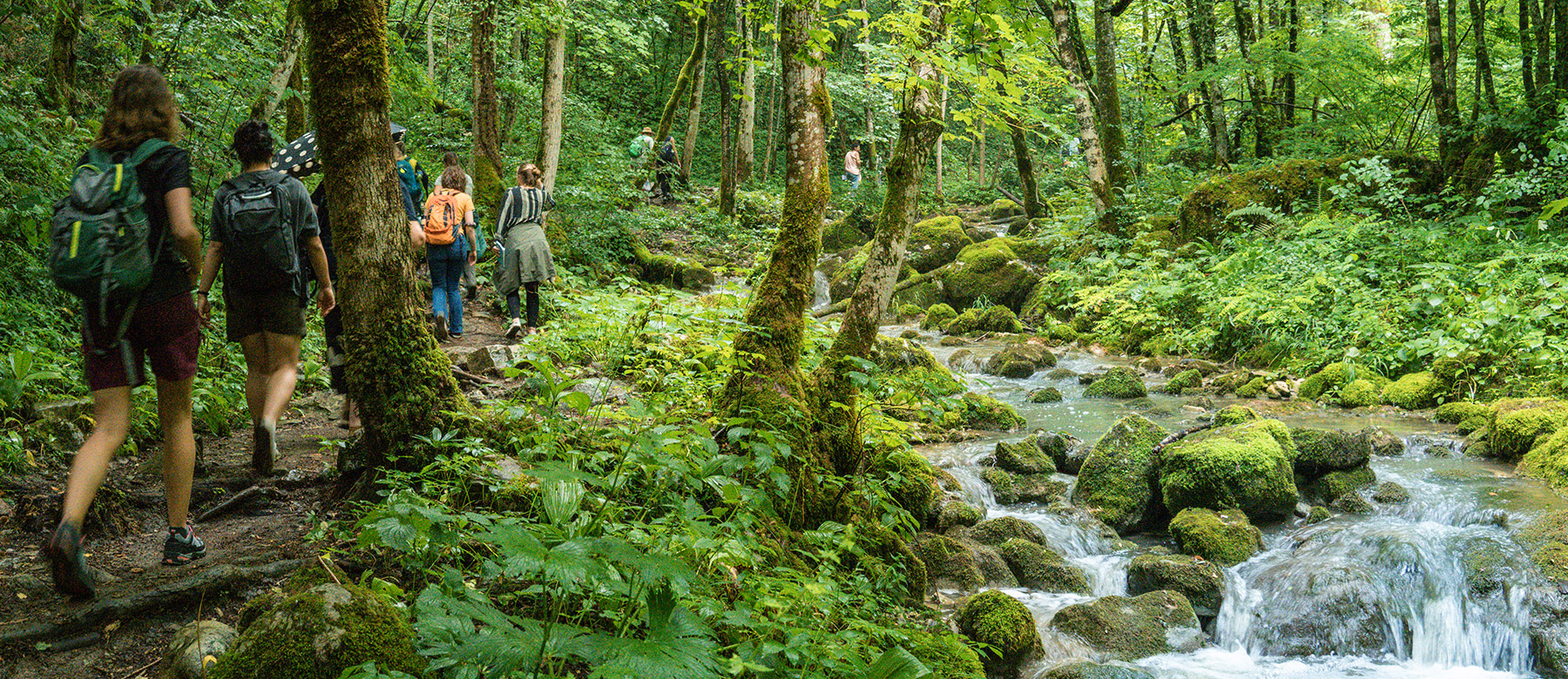
Embracing a Regenerative Travel Ethos
Understanding the New Travel Philosophy
At the core of this emerging travel philosophy is a profound shift from merely preserving to actively enhancing the environments and communities we visit. This approach prioritizes not only maintaining the status quo but fostering improvement and restoration. It pushes travelers and industry professionals to embrace practices that restore the balance of ecosystems while enriching the cultural landscapes they encounter. This proactive engagement is not just about lessening impact but creating a net positive effect.
Key Elements of Regenerative Travel
Central to this ethos is striving for carbon neutrality alongside the recovery of biodiversity. This involves both reducing their carbon footprints and engaging in local efforts that rejuvenate the natural balance. Efforts such as these are encapsulated in multiple initiatives worldwide. These initiatives are often characterized by their focus on actively reversing environmental degradation and promoting ecological balance, drawing inspiration from practices like regenerative agriculture. For travelers, this means selecting eco-friendly accommodations and participating in initiatives that enhance local ecosystems.
For example, travelers can get involved in coral reef restoration volunteering in Australia, participating in projects designed to revive delicate marine ecosystems. Similarly, in Canada, tourists are encouraged to take part in reforestation projects, helping to restore native forests and increase carbon sequestration.
Enabling Community Empowerment
Community empowerment is another keystone of this philosophy. Regenerative tourism ensures that local economies thrive alongside natural environments. Initiatives often involve partnerships with indigenous communities or local stakeholders, fostering a shared sense of purpose and benefit. These partnerships are founded on the principle that local communities should have autonomy and a significant role in tourism practices, ensuring sustainable development and resilience.
- Building Skills and Knowledge Locally
One avenue of empowerment involves skills development programs that center on sustainable tourism. These programs aim to build local capabilities in managing tourism that respects and promotes their unique culture and environmental needs. For instance, in New Zealand, tourism projects are being co-created with Indigenous populations to ensure that cultural exchanges are both respectful and economically beneficial to those communities.
- Strengthening Local Economies
Additionally, travelers can support these communities by choosing to invest in local businesses, thereby contributing directly to their economic wellbeing. This could involve staying at family-run accommodations or purchasing goods crafted by local artisans, which helps fortify both economic and cultural foundations.
Deep Dive: How Tourism Can Heal Our Oceans and Forests
Engaging with Marine and Forest Restoration
Tourism has a transformative power not only to sustain but to repair and regenerate natural habitats. This section examines the initiatives that underscore tourism's potential to actively contribute to environmental restoration.
- Coral Reef and Forest Restoration
In Australia, tourism intersects with marine conservation through volunteer opportunities with coral reef restoration programs. Here, travelers are invited to partner with marine conservation bodies to help rehabilitate vital ocean habitats. This initiative represents a hands-on approach where travelers directly assist in ecological recovery.
Similarly, Canada's vast forested regions are catered for through community-engaged reforestation projects. These initiatives invite travelers to roll up their sleeves and participate in tree planting efforts driven by local NGOs. Such projects serve to restore native forests, sequester carbon, and reinforce the vital role forests play in global ecological balance.
Strategies for Ecosystem Resilience
Beyond individual engagement, broader strategies link tourism with ecosystem resilience, encouraging practices that support both natural environments and local communities. Eco-certified experiences, for instance, ensure that tourism activities leave a positive imprint. These experiences guide travelers towards activities that enhance, rather than exploit, nature.
Creating Walkable Precincts
Urban areas also implement strategies like designing walkable precincts to promote pollution reduction. Places like Fremantle are transforming urban tourism into an eco-conscious experience by creating areas conducive to bicycle and pedestrian traffic, minimizing reliance on vehicles, and reducing emissions. Such thoughtful planning helps maintain the natural beauty of a location while fostering greater cultural engagement.
Crafting Authentic Experiences with Indigenous Cultures
Collaborative Partnerships
Indigenous knowledge is invaluable in crafting genuinely sustainable and regenerative tourism experiences. Many successful tourism models involve collaborative partnerships with Indigenous groups that highlight authentic cultural exchanges and community-driven benefits.
Tourism projects in New Zealand exemplify this through partnerships with local Indigenous communities. These initiatives are structured to ensure that cultural heritage is celebrated and preserved, while simultaneously creating economic opportunities that are equitable and sustainable. Indigenous communities are involved in tourism development processes, ensuring that their culture is portrayed accurately and respectfully.
- Empowerment through Tourism
In these partnerships, local communities are empowered through tourism platforms that allow them to share their rich traditions and stories with the world. By engaging tourists in authentic cultural experiences, these initiatives promote cultural pride and resilience while supporting environmental stewardship.
Promoting Cultural Heritage Preservation
Supporting cultural heritage preservation is integral to regenerative tourism, as this ensures that the cultural landscapes of destinations are protected for future generations. This invariably involves engaging with and investing in the preservation of cultural treasures.
- Using Technology and Tradition
Digital tools are increasingly being used for heritage monitoring, enabling community-led efforts to protect valuable cultural sites against modern-day threats. At the same time, traditional crafts and knowledge remain central, offering both cultural continuity and economic benefits for local communities.
How to Offset Your Travel's Footprint
Making Conscious Choices When Traveling
Travelers have meaningful ways to reduce the ecological impact of their journeys. From selecting eco-friendly transportation options to supporting local businesses, these efforts collectively contribute to regenerative impacts.
- Eco-Friendly Transport Options
Choosing eco-friendly transportation, such as trains or bicycles over air travel for short distances, can significantly lower your carbon emissions. Public transport and shared commuting methods also offer sustainable alternatives that help reduce individual contributions to pollution.
- Supporting Local Economies
While traveling, engaging with local economies by dining at neighborhood eateries or purchasing locally-made goods not only helps preserve cultural heritage but supports the sustainable growth of communities. These decisions reinforce a cycle where tourism and local economies mutually benefit.
Participating in Conservation and Restoration
Travelers can also contribute to larger-scale conservation efforts by participating in local restoration projects. Whether it's contributing to coral reef rehabilitation or engaging in tree planting initiatives, these actions help undo environmental damage while educating travelers about sustainable practices.
Participating in these conservation efforts offers travelers educational opportunities to understand the ecological and cultural challenges that areas face. These experiences empower travelers to make more informed, responsible travel choices in the future.
By merging the enjoyment of travel with mindful practices, we can transform travel into a force for positive change. Each action, no matter how small, contributes to the broader goal of sustainable, regenerative tourism. Together, we can ensure that destinations remain vibrant for future generations, blending the preservation of both nature and culture seamlessly.
Q&A
-
What is Coral Reef Restoration Volunteering and why is it important?
Coral Reef Restoration Volunteering involves participating in activities aimed at restoring and preserving coral reefs, which are vital marine ecosystems. Volunteers may engage in tasks such as planting corals, monitoring reef health, and educating the public. This work is crucial as coral reefs support a vast array of marine life, protect coastlines from erosion, and contribute to local economies through tourism and fishing. -
How can individuals participate in Reforestation Projects?
Individuals can participate in reforestation projects by volunteering their time to plant trees, maintain nurseries, and help with site preparation. Many organizations offer opportunities for both local and international volunteers to contribute to reforestation efforts, which help combat climate change, restore habitats, and improve air and water quality. -
What are some effective strategies for Carbon Footprint Offsetting?
Effective strategies for carbon footprint offsetting include investing in renewable energy projects, supporting reforestation efforts, and purchasing carbon credits from verified programs. These strategies help mitigate the impact of one's carbon emissions by funding initiatives that reduce or capture greenhouse gases, contributing to global efforts to combat climate change. -
Why are Indigenous Community Partnerships important in conservation efforts?
Indigenous Community Partnerships are vital because they leverage the traditional knowledge and practices of Indigenous peoples, which are often aligned with sustainable conservation. These partnerships ensure that conservation efforts respect Indigenous rights and territories, leading to more effective and culturally sensitive environmental management. -
How does Wildlife Corridor Protection contribute to biodiversity conservation?
Wildlife Corridor Protection involves preserving and connecting natural habitats to allow wildlife to move freely and safely between different areas. This is crucial for maintaining biodiversity as it enables species to migrate, find food, and reproduce, especially in the face of habitat fragmentation due to human activities. -
What role does Cultural Heritage Preservation Funding play in community development?
Cultural Heritage Preservation Funding supports the maintenance and restoration of historical sites, artifacts, and traditions. This funding not only protects cultural legacies but also fosters community pride and identity. Additionally, it can drive economic growth through tourism and create educational opportunities that enhance cultural understanding and appreciation.