Exploring Digital Play and Cognitive Growth
The intersection of technology and youthful creativity is crafting a new era of play where educational tools are more interactive and engaging than ever before. From toys equipped with sensors to immersive virtual experiences, the lines between learning and fun have blurred significantly.
Transforming Play with Smart Toys
The definition of a "toy" has expanded to include gadgets that respond and adapt to children's interactions through embedded technology. Smart toys are not just flashy gadgets; they represent a shift towards adaptable learning environments. These playthings combine elements of artificial intelligence with traditional play methods to enhance learning experiences.
Smart toys engage children's cognitive processes by encouraging problem-solving in real-time. For instance, a building set connected to a digital interface offers step-by-step challenges tailored to a child's current ability, evolving as the child progresses. This personalization ensures continued engagement and effective learning. Meanwhile, toys that react to actions—such as a plush toy responding to voice commands—create interactive learning environments that sharpen social skills and emotional intelligence.
The educational impact of smart toys, as highlighted by the National Center for Educational Technology, underscores their ability to enhance cognitive skills and creativity while promoting social interactions through innovative play. These toys are transforming educational landscapes in regions like the United States and the United Kingdom, highlighting global trends.
Robotics as a Catalyst for Creativity
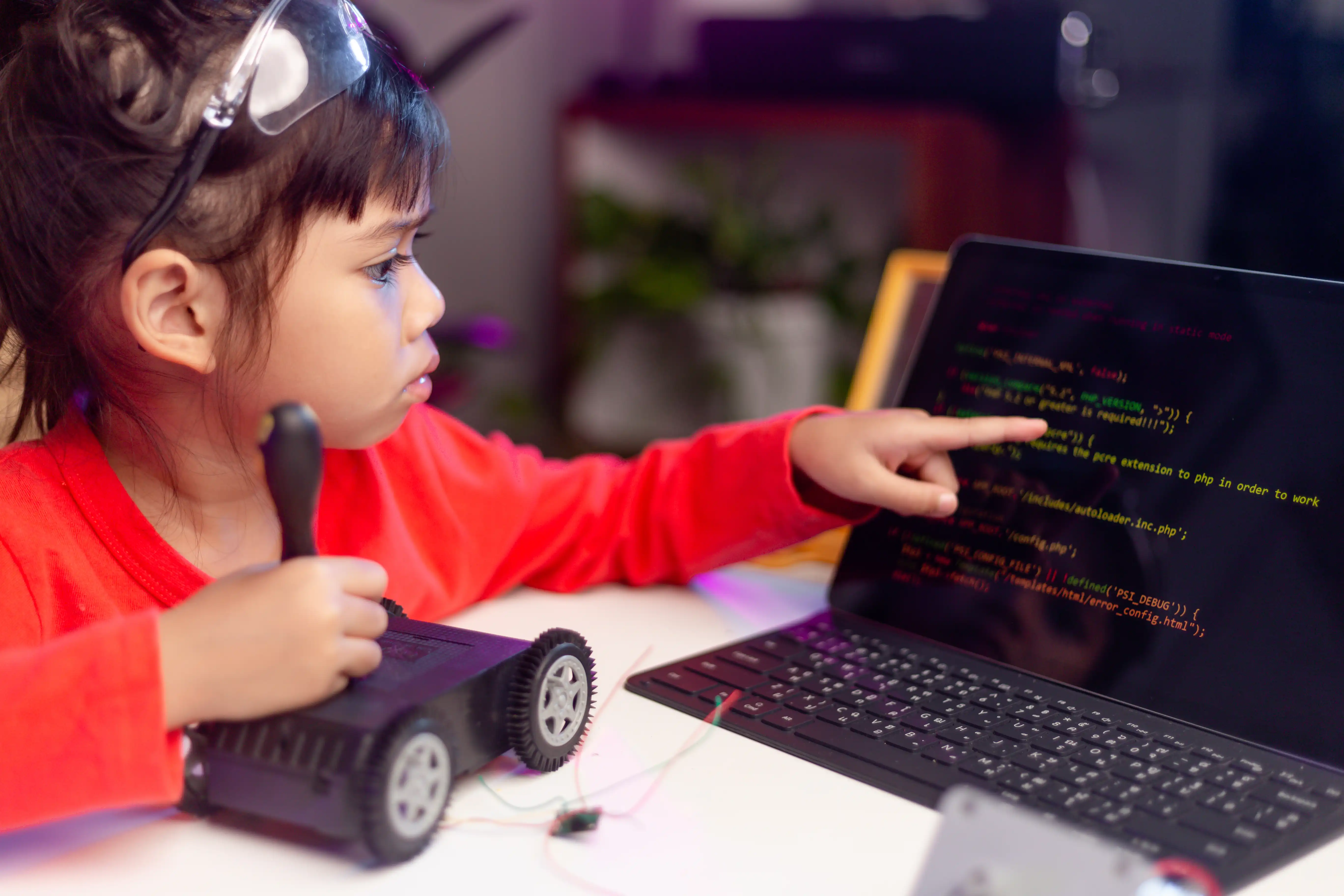
Introducing robotics to young learners is an effective method for developing logical thinking and problem-solving abilities through hands-on activities. Educational robots facilitate playful learning by allowing children to experiment with coding concepts in a tangible way. This aligns with constructivist theories where knowledge is developed through active experimentation.
Robotic playsets typically consist of components that children can assemble and program, offering immediate feedback that reinforces logical sequencing and computational thinking. As children construct models that move or complete tasks, they actively engage with principles of mechanics and technology, fostering ingenuity and resilience.
Encouraging collaboration and creative exploration, robots for children equip them with foundational skills in technology and engineering. Reports from institutions like the British Educational Research Association emphasize that these tools nurture essential skills such as teamwork and creative thinking, preparing students for diverse future endeavors.
Immersive Learning with Virtual Reality
Virtual Reality (VR) presents an exciting avenue to integrate educational content with immersive experiences. VR games place learners in diverse environments—from the depths of the ocean to distant galaxies—empowering them to explore complex subjects through experiential learning.
The key advantage of VR in education is its potential to transform passive learning into active participation. Children immersed in a simulated environment are not merely observers; they become integral parts of the narrative, honing critical thinking and decision-making skills. For example, navigating a historical event in VR encourages learners to engage with history actively, enhancing retention and understanding.
Moreover, VR supports varied learning styles, offering audio-visual cues and interactive content that accommodates diverse needs. The educational impact is profound, improving engagement levels across subjects like history and science. Reports from the UK Office for Educational Technology illustrate VR's role in enhancing experiential understanding and facilitating inclusive educational practices.
Integrating Creativity and Social-Emotional Development
The integration of technology into play provides not only cognitive benefits but also opportunities for emotional growth and creativity. By encouraging expression and fostering empathy, these advancements support holistic development in young learners.
The Emotional Growth Fostered by Interactive Tools
Interactive toys designed to develop emotional intelligence are leveraging speech recognition and simulation technologies. These toys can recognize and respond to emotional cues, offering comforting feedback based on a child's tone or expressions. For instance, a toy that comforts a sad child by recognizing vocal cues exemplifies technology's capacity to mirror real-world social interactions, teaching empathy and communication subtly and effectively.
Moreover, interactive companions equipped with artificial personalities encourage nurturing behaviors in children, creating a sense of responsibility. By simulating social relationships, these toys prepare children for real-world interactions, promoting nuanced understanding and communication skills.
Artistic Expression in the Digital Age
Digital drawing tools have revolutionized how children engage with art, offering platforms that facilitate limitless creative expression. Through interactive interfaces, children access a wider spectrum of tools and colors, breaking the constraints of physical mediums. Digital canvases allow young artists to experiment with complex projects, from creating detailed landscapes to composing intricate graphical narratives.
Engaging in digital drawing develops technical skills, such as understanding software interfaces and using diverse art tools effectively. This digital literacy lays the groundwork for future learning in more advanced technological fields. At the same time, the opportunity for instant correction and exploration fosters a growth mindset, encouraging creativity without the fear of failure.
Navigating Global Awareness and Collaborative Learning
The convergence of physical and digital play not only enhances individual learning experiences but also cultivates a broader understanding of global cultures and collaborative efforts.
Bridging Cultural Gaps with Digital Storytelling
Interactive books and storytelling platforms now offer adaptive narratives that respond to a child's input, transforming reading from a solitary activity to a shared adventure. Picture books that integrate augmented reality engage children in immersive cultural tales, teaching empathy and global awareness. By allowing young readers to influence the narrative, digital storytelling fosters literacy skills while promoting cross-cultural understanding.
Through these platforms, children explore diverse environments and narratives that highlight global themes such as environmental conservation and social justice. This exposure encourages young learners to appreciate and understand different perspectives, equipping them with the awareness to participate in an interconnected world.
Collaboration Through Innovative Playsets
Traditional toys are now evolving to include digital facets that promote collaboration and team-based problem-solving. Smart toys and educational robots encourage cooperative play, where children work together to complete tasks or solve puzzles. This interactivity requires communication and teamwork, reflecting real-world situations where collective effort is necessary for success.
As children work in groups to program robots or navigate digital games together, they learn to balance differing ideas and integrate them into cohesive solutions. This fosters essential soft skills like negotiation, empathy, and leadership.
Q&A
-
What are educational gadgets and how can they benefit children's learning?
Educational gadgets are electronic devices designed to enhance the learning experience for children. These gadgets can include tablets with educational apps, smart pens, and interactive books. They provide an engaging way for children to learn new concepts through interactive content, which can improve retention and understanding. By using educational gadgets, children can develop skills such as problem-solving, critical thinking, and creativity in a fun and interactive environment.
-
How can robotics for kids foster interest in STEM fields?
Robotics for kids involves using robotic kits and toys that allow children to build and program their own robots. This hands-on approach to learning helps to demystify complex STEM (Science, Technology, Engineering, and Mathematics) concepts by making them accessible and fun. Through robotics, children can learn about coding, engineering, and technology, fostering an early interest in STEM fields. This practical application of knowledge can inspire future career interests and build foundational skills in these areas.
-
What are VR games and how do they contribute to educational experiences?
VR games, or virtual reality games, are immersive experiences where players interact with a computer-generated environment using VR headsets. In an educational context, VR games can transport students to different times and places, providing experiential learning opportunities that traditional methods cannot offer. For example, VR can be used to simulate historical events, explore outer space, or conduct virtual science experiments, making learning more engaging and memorable.
-
In what ways do interactive books differ from traditional books, and what are their educational benefits?
Interactive books are digital books that include multimedia elements such as audio, video, and interactive animations. Unlike traditional books, they offer a multi-sensory reading experience that can cater to different learning styles. These books can improve literacy skills by providing immediate feedback and engaging children in interactive storytelling. The interactivity can also help in developing fine motor skills as children navigate through the book's features.
-
How do digital drawing tools enhance creativity in children?
Digital drawing tools, such as tablets with styluses and drawing apps, provide children with a platform to express their creativity without the limitations of traditional art supplies. These tools offer a wide range of colors, brushes, and effects that can inspire children to experiment and explore their artistic abilities. Digital drawing can also be easily shared and edited, encouraging collaboration and feedback, which are essential for creative growth.
-
What are smart toys and how do they integrate technology into playtime?
Smart toys are toys equipped with technology such as sensors, connectivity, and interactive components that enhance the play experience. These toys can adapt to a child's actions, provide educational content, and encourage active engagement. By integrating technology into playtime, smart toys can teach children valuable skills such as language development, social interaction, and logical reasoning in an entertaining manner.