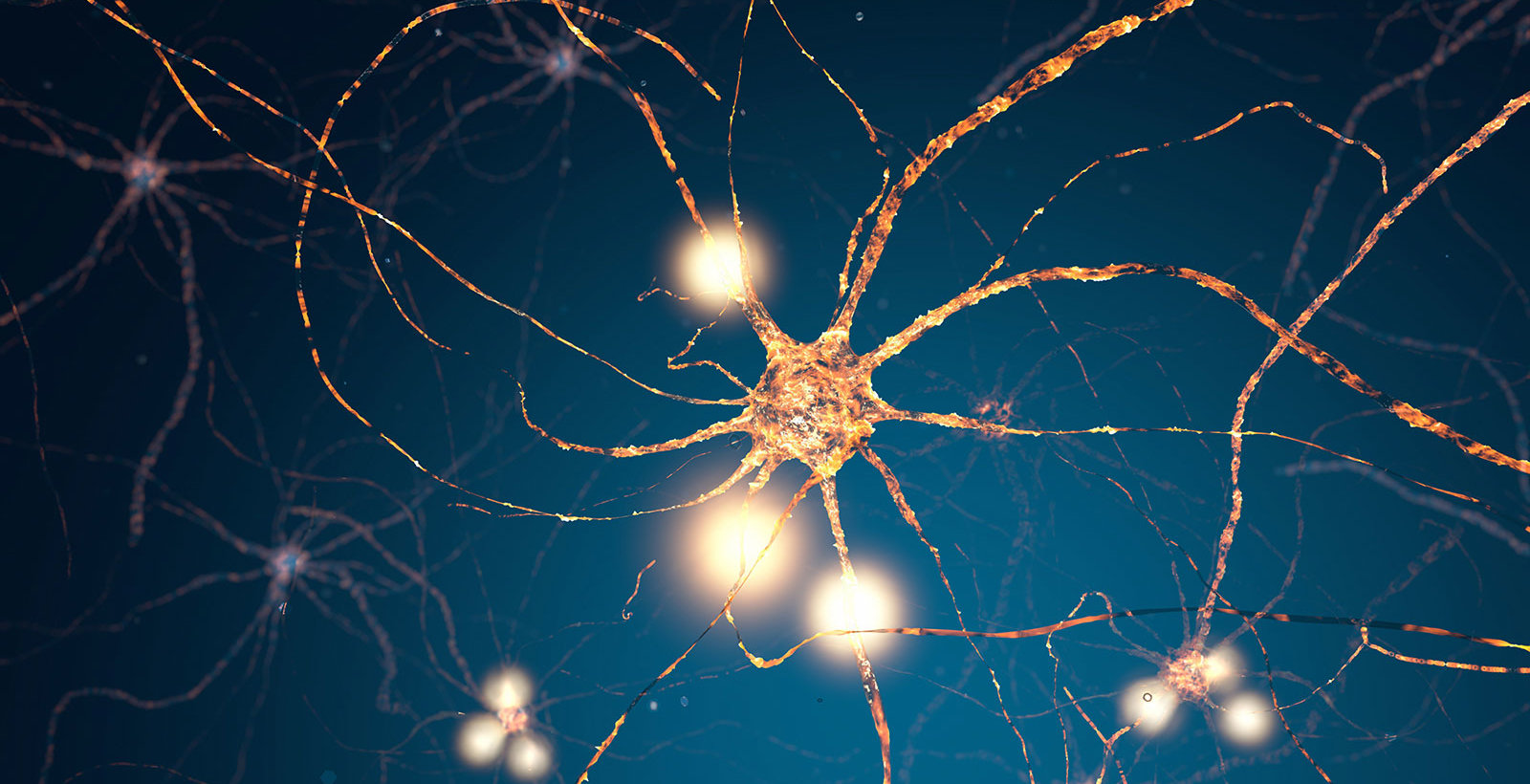
Exploring the Brain: From Observation to Active Control
The human brain is a profoundly complex organ, characterized by an immense network of interconnected cells capable of generating highly dynamic patterns of activity. These neural connections form a fluid and adaptive architecture that constantly reorganizes itself in response to internal states and external stimuli. Rather than functioning as a static biological system, the brain operates as a living network, continuously shaping perception, memory, and behavior through intricate electrochemical processes. This complexity has long challenged researchers, as even the most sophisticated analytical methods have struggled to capture the full depth of its organizational sophistication.
Refining Neural Control Through Photostimulation
Optogenetics is a technique that allows scientists to modulate specific neuron activities through targeted light application. By introducing light-sensitive proteins, termed opsins, into specific neural populations, neurons can be turned on or off using specific light wavelengths. Channelrhodopsins are a type of opsin commonly used to accomplish this sort of precise modulation.
The utility of these opsins lies in their ability to open ion channels upon light activation: channelrhodopsins allow positive ions to enter, thereby exciting the neuron; whereas halorhodopsins pump in negative ions, resulting in inhibition. This bidirectional control mechanism enables researchers to manipulate neural circuits with unprecedented spatial (down to the level of individual neurons) and temporal (on the order of milliseconds) precision.
However, challenges persist. One significant limitation is the penetration depth of light through brain tissue, as deeper structures often require invasive methods to deliver sufficient light. Another consideration is the specificity of stimulation. Ensuring precise targeting with minimal collateral activation remains a technical constraint. Ethical dimensions enter the discussion when considering potential off-target effects and long-term impacts on neural tissue.
Mapping Neural Circuits in Real Time
The ability to map neural circuits belongs to some of the most significant achievements enabled by optogenetics. By selectively stimulating specific neural populations, typically using implantable optical fibers, researchers can achieve a detailed mapping of brain circuitry in real-time. This allows scientists to understand how individual neuronal pathways correlate with complex behaviors and disease mechanisms.
The technique, however, does have its challenges. The spatial resolution of circuit mapping is limited, and the invasiveness of the devices required for light delivery restricts the breadth of applications, especially within human subjects. Continuous innovations are aimed at reducing these limitations by developing less invasive modalities with improved resolution.
Behavioral Sciences: The Optogenetic Frontier
At the intersection of neuroscience and behavioral science, optogenetics offers profound capabilities. This approach enables the selective engagement of neural populations that contribute to distinct patterns of action, motivation, or internal states. By directing light-responsive mechanisms toward defined circuits, it becomes possible to observe how subtle shifts in neural dynamics translate into measurable behavioral outcomes. This level of precision allows researchers to move beyond correlational observations and instead examine the direct influence of controlled neural activity on complex behavioral expressions.
Tuning Neural Circuits to Alter Behavior
Using optogenetics to manipulate behavior examines how distinct neural circuits drive behavior from social interactions to decision-making processes. The approach allows for precise real-time modulation, offering the possibility of developing models for understanding neuropsychiatric conditions and testing circuit-level interventions.
Despite the promise, behavior arises from complex neural network interactions, presenting challenges in predictability and control. The ethical concerns about practical applications involve informed consent, particularly in clinical settings where behavioral modulation might have far-reaching implications on autonomy and human psychology.
Ethical Dimensions and Future Prospects
As optogenetic interventions transition toward therapeutic applications, ethical considerations anchor the conversation. The profound intervention at the neural level demands rigorous examination of implications, including autonomy, consent, and societal impact.
Ethical Frameworks in Optogenetic Applications
The move toward clinical application invokes a need for ethical frameworks, addressing issues such as "mind control" myths, personal autonomy in therapy, and the potential for societal inequality arising from disparate access to advanced neurotechnologies. Openness about potential risks and benefits, alongside protections for privacy, form crucial components of these dialogues.
As we illuminate the intricacies of the mind using optogenetics, the challenge lies not simply in expanding what we can achieve but in ensuring that advances benefit society holistically. This involves adherence to ethical guidelines driving patient welfare alongside scientific exploration.
Q&A
-
What is the role of light-sensitive proteins in optogenetic neurostimulation?
Light-sensitive proteins, such as channelrhodopsins, play a crucial role in optogenetic neurostimulation by allowing precise control of neuronal activity. When these proteins are expressed in specific neurons, they can be activated by light of certain wavelengths, enabling researchers to stimulate or inhibit neural circuits with high temporal precision.
-
How do channelrhodopsins contribute to neuroscience research?
Channelrhodopsins are pivotal in neuroscience research as they provide a tool to manipulate neuronal activity with light. By introducing these proteins into neurons, scientists can activate or silence specific neural pathways, facilitating the study of their roles in various brain functions and behaviors. This has significantly advanced our understanding of neural circuit dynamics and brain disorders.
-
What is the significance of optogenetic mapping of brain circuits?
Optogenetic mapping of brain circuits is significant because it allows researchers to identify and understand the function of specific neural networks. By selectively activating or inhibiting neurons within a circuit, scientists can map out how different brain regions are interconnected and how they contribute to behaviors and cognitive processes, which is essential for developing targeted therapies for neurological disorders.
-
How is photostimulation used in gene therapy?
Photostimulation in gene therapy involves using light to activate or repress genes that have been engineered with light-sensitive elements. This approach allows for precise spatial and temporal control of gene expression, offering potential for treating diseases by targeting specific cells and tissues without affecting the entire organism.
-
In what ways is in vivo optogenetics used for behavior control?
In vivo optogenetics is used for behavior control by allowing scientists to manipulate neuronal circuits in living organisms to observe changes in behavior. By targeting specific neurons with light, researchers can induce or suppress behaviors, providing insights into the neural basis of actions and aiding the development of interventions for behavioral disorders.