Where Fun Meets Function: The Role of Wearable Tech
Children's wearables are bridging the gap between fun and safety, serving as both companions and tools for young users. These devices offer a blend of entertainment, connectivity, and protection, creating a unique blend that appeals to both children and parents.
Reconciling Engagement and Security with Wearable Gadgets
Wearable tech for youngsters, like certain smart devices, goes beyond simple fun. It embodies a blend of security features crafted for cautious parenting, yet maintains a child-friendly allure. Embedded within these gadgets are elements such as emergency alerts and precise location services that provide an unseen web of safety around the child. Imagine the peace of mind knowing a gadget can trace your child’s steps or facilitate emergency contact at the push of a button. This type of dual-purpose device is indeed a powerful ally in modern parenting.
However, the substantive part lies in parental oversight. These gadgets enable controls on who can interact with the child through the device, as well as regulate the kind of content accessible. Such customizable settings ensure a digital environment tailored to the parents' standards and their child’s needs, merging technological protective measures with the joy of discovery.
Moreover, these wearables can introduce children to the benefits of maintaining an active lifestyle. By tracking physical activities, they nudge young users toward healthier habits through gamifying exercises with achievements and rewards. This functionality does not merely entertain but extends to developing physical awareness and encouraging healthier living.
Smart Sound Technology: Creating Interactive Experiences
Smart speakers are not just about playing songs; they are becoming interactive educational hubs that enrich children’s growing years with sound and learning. These devices open new avenues for playful learning, blending auditory stimulation with intellectual growth.
The Power of Voice-Activated Learning
Smart audio devices have skillfully integrated interactive education with entertainment. From narrating tales to engaging in learning games, these audio hubs are teaching aids disguised as playful companions. Through curating experiences that children can control through voice commands, they nurture not just interactive play but also language skills and auditory comprehension.
As more children join the ranks of these emerging tech users, smart speakers normalize the use of voice-activated commands, refining young users' vocabulary and conversational agility. While doing so, they manage to maintain parental control at their core — governance over content remains a pivotal feature ensuring that young minds only consume what's age and culture appropriate. The technology is bridging educational gaps by tailoring content delivery to a child-focused paradigm.
Yet the conversation does not stop at practical knowledge. These devices often leverage storytelling and imaginative sounds to transform routine learning into creative exploration, entertaining while also instructing. This dual nature underscores their importance in contemporary homes, efficiently driving cognitive development through multi-sensory experiences.
Tablets: Bridging Creativity, Education, and Safety
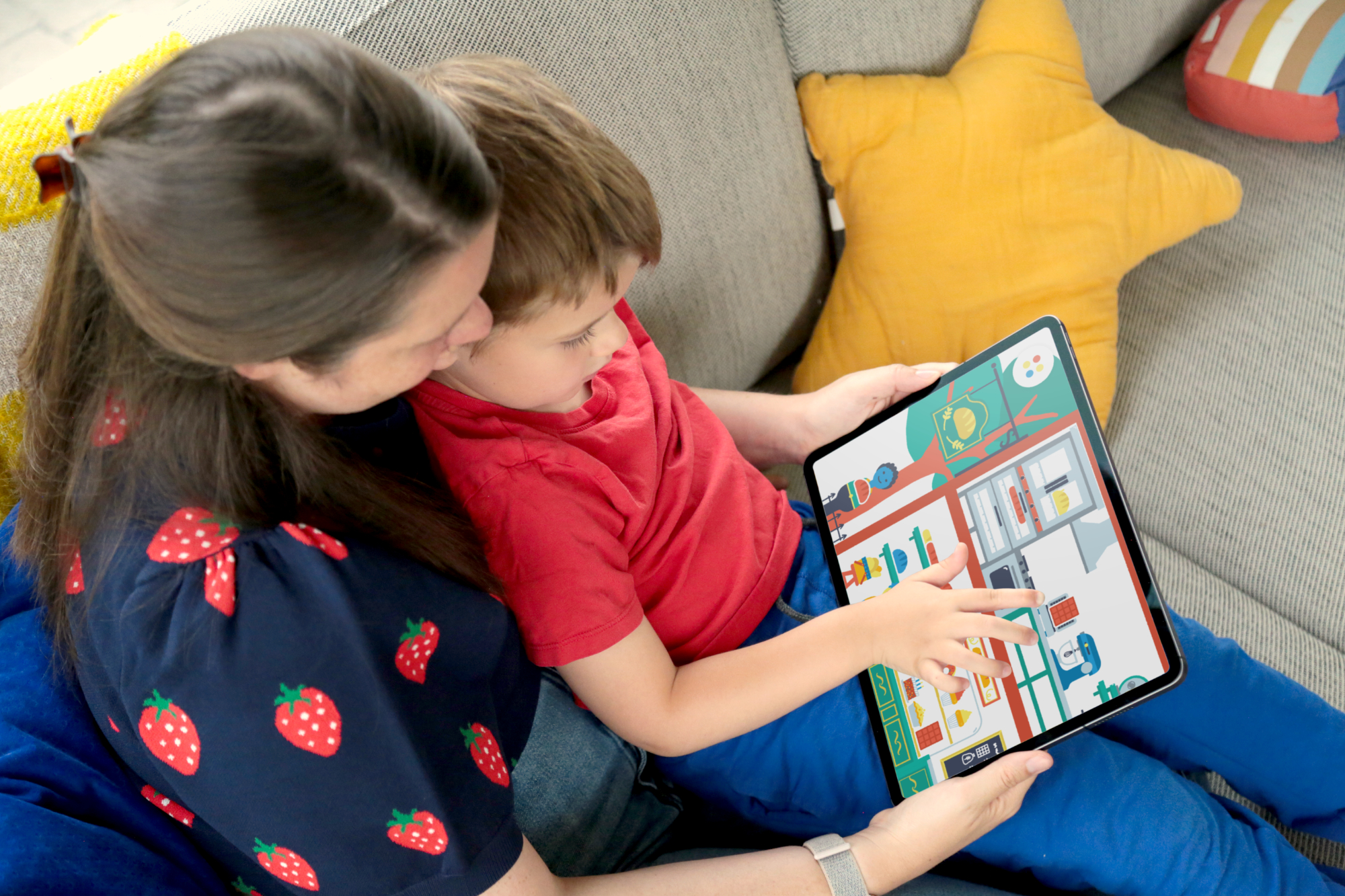
Tablets for children propose a delicate balance between screen engagement and educational prowess, optimizing interaction while upholding security. They’re conduits that blend learning with creativity, enabling hands-on, experiential learning.
Digital Canvases and Learning Portals
Far from mere entertainment, tablets are gateways to structured learning experiences complemented by creative exploration. They transform static learning into dynamic involvement, utilizing tailored apps that cater to different subjects and age ranges.
Children interact with these devices in ways that hone skills that extend beyond the classroom, such as enhancing digital literacy through drawing and composition apps. This tactile interaction translates into a broader understanding of technology and its capacities, providing yet another level of engagement through creative expression. The ubiquitous presence of parental dashboards ensures peace of mind, as they control what, when, and how children are exposed to content, seamlessly integrating educational goals with child safety.
Enhanced by rugged designs that withstand typical child use and smart protection features inclusive of time-bound allowances and restrictive access, these gadgets continue to be the forefront choice in nourishing growing minds with creativity and knowledge.
Beyond Games: Comprehensive Digital Play and Development
Gaming for children has progressed beyond conventional video games. It fosters interactive learning and social growth, emphasizing responsibility alongside play.
Gaming Technology: Encouragement through Active Interaction
Gaming devices now meet an enriched form absorbed through active interaction and controlled environments. They introduce and teach social skills by mirroring the learning patterns observed in children. Gaming consoles often provide an ecosystem where skill-building is rewarded, recognizing achievements in a playful fashion while hidden educational elements enhance a child’s intellectual framework.
However, this rapid growth carries a layer of responsibility surrounding content exposure and playtime regulation. Parental controls remain a crucial aspect of the gaming interface, dictating the nature, length, and scope of children's interactions. Well-designed ecosystems ensure children enjoy safe environments where negative influences are carefully filtered, and genuine learning is encouraged.
The secondary layer of progress lies in embracing the imaginative leap possible through Virtual Reality. These advanced environments transform traditional play into immersive educational landscapes, building interest with sensory engagement.
These measures fortify a culture where play meets learning in a seamless blend. Gaming is evolving—endorsing essential life skills amidst the pursuit of fun.
Through pragmatic execution and innovative foresight, these technologies design an education-oriented landscape where enjoyment harmonizes with intuitive growth. The digital future for children promises not just supplementary education but transformative experiences.
Q&A
-
What features should I look for in a children's smartwatch to ensure it is both educational and safe?
When selecting a children's smartwatch, look for features such as GPS tracking for safety, parental controls to manage usage, educational apps that promote learning in subjects like math and language, and a durable design to withstand active use. Additionally, ensure it has a long battery life and is compatible with your existing devices for seamless integration.
-
How can smart speakers be used to enhance learning experiences at home?
Smart speakers can be integrated into the learning environment by using them to access educational podcasts, audiobooks, and interactive learning applications. They can also assist with homework by answering questions and providing information on a wide range of topics. Setting reminders and alarms for study schedules can help manage time effectively.
-
What are the benefits of using tablets as learning devices for children?
Tablets offer a versatile platform for learning through interactive educational apps, e-books, and online resources. They provide a multimedia experience that can cater to different learning styles, such as visual and auditory. Tablets can also facilitate creative activities like drawing and music composition, making learning more engaging and fun.
-
In what ways can gaming consoles contribute to a child's development?
Gaming consoles can support a child's development by improving hand-eye coordination, problem-solving skills, and strategic thinking through interactive and educational games. Many consoles offer games that require teamwork and communication, fostering social skills. Parents should look for age-appropriate games that encourage creativity and learning.
-
What are some considerations for using VR headsets in educational settings?
When using VR headsets for education, it's important to ensure content is age-appropriate and educational. VR can provide immersive experiences in subjects like history and science, offering virtual field trips or simulations. However, it's crucial to monitor usage time to prevent eye strain and ensure the headset is comfortable and fits properly.