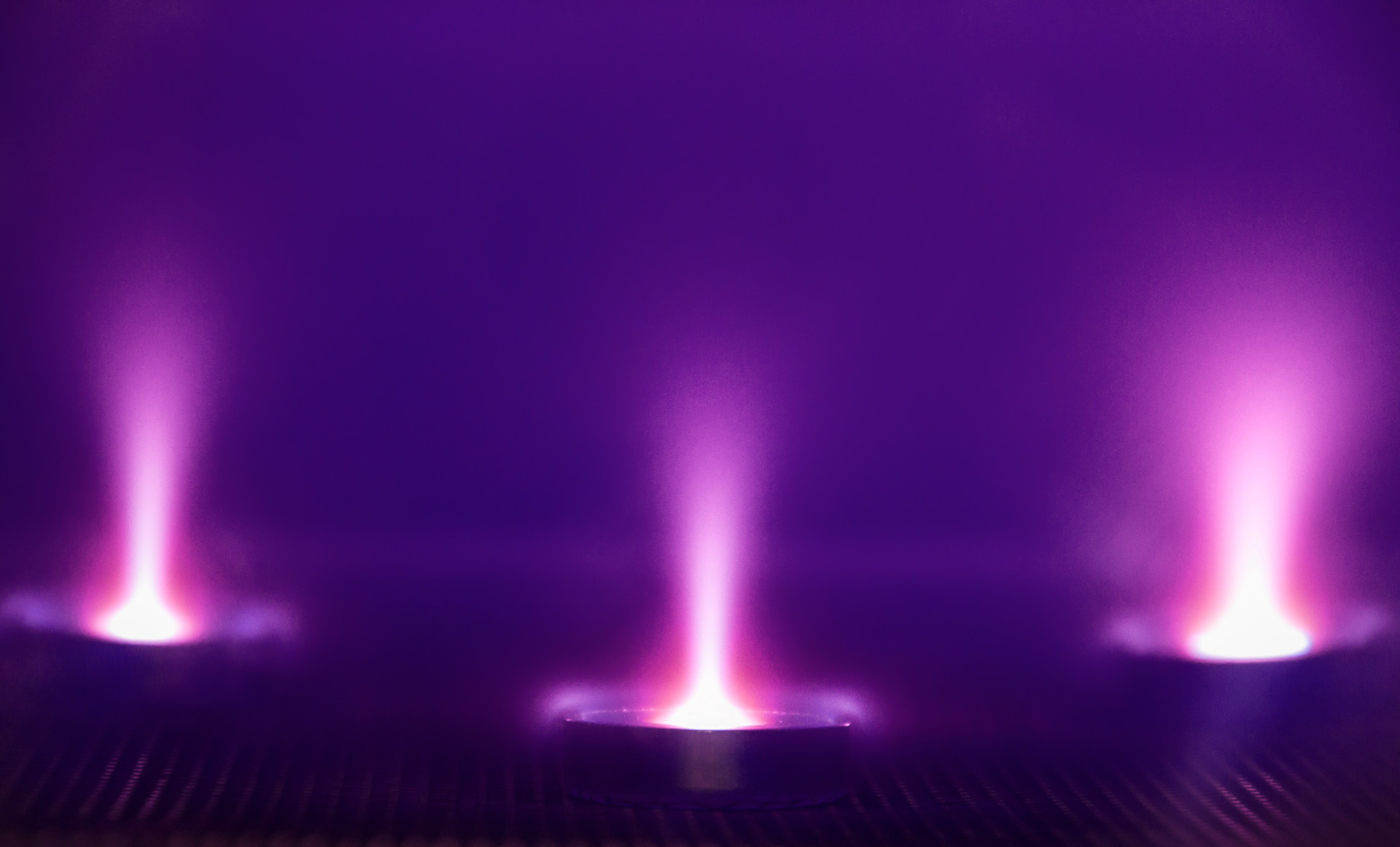
Plasma Technology in Environmental Solutions
Plasma technology is becoming a formidable ally in addressing environmental concerns, particularly through its application in waste management. As countries strive to develop sustainable practices, plasma offers avenues for not only reducing waste but repurposing it as valuable resources.
Waste Treatment Innovations
The traditional methods of waste disposal have long faced criticism for contributing to ecological issues, from soil contamination to air pollution. Plasma technology, particularly in the form of gasification, offers a sophisticated alternative. The process harnesses extreme temperatures in an oxygen-starved environment to decompose waste into its elemental components. Unlike incineration, which releases pollutants, plasma gasification produces cleaner emissions and can significantly reduce landfill contributions.
According to data from the U.S. Department of Energy, plasma's use in waste treatment has demonstrated significant potential, particularly in managing mixed and hazardous waste streams. The technology not only decomposes waste but can also recover energy and valuable materials like metals, supporting circular economy principles. This approach is essential for industrial waste, where valuable metals can be separated and reintroduced into production cycles rather than being lost in landfills.
Air and Water Purification
Besides solid waste management, plasma technology also plays a significant role in enhancing air and water quality. Recent advances have shown that plasma can effectively treat air pollutants by breaking down complex molecules into less harmful substances. In water treatment, non-thermal plasma is used to generate reactive species capable of oxidizing and breaking down persistent organic pollutants and pathogenic microbes. Unlike traditional methods, plasma treatment leaves no toxic residue, offering a cleaner alternative for water purification.
Medical Advancements Through Plasma
The medical field is one of the most exciting frontiers for plasma technology development. Here, it showcases its potential to transform treatments and improve patient outcomes significantly.
Regenerative Medicine and Minimal Invasion
Low-temperature plasma is emerging as a key player in regenerative medicine and minimally invasive procedures. This approach utilizes its sterilization and tissue-regeneration capabilities to enhance patient care significantly. According to the UK Plasma Medicine Institute, plasma's application ranges from wound healing to cancer treatment. Its non-invasive nature minimizes patient recovery time and improves safety compared to traditional surgical techniques.
Plasma is particularly effective in targeting cancer cells due to its ability to produce reactive oxygen species that induce oxidative stress in cancerous cells, sparing healthy tissues. Furthermore, in wound healing, plasma enhances cell proliferation and reduces microbial load, encouraging faster healing and reducing infection risks. These advancements mark a significant leap forward in medical treatments, providing new hope for conditions previously considered challenging to manage.
Plasma Applications in Orthopedics
Orthopedics has witnessed remarkable transformations due to plasma technology, particularly with the introduction of autologous plasma therapies. By concentrating platelets from a patient's own blood using centrifugation, plasma therapies supply growth factors that aid in the body's natural healing processes, making them valuable in treating injuries such as ligament tears and chronic tendonitis.
Research has shown that these therapies can accelerate tissue integration and reduce recovery times post-surgery. The application of plasma in orthopedics is a key example of translational medicine, turning cutting-edge research into practical treatments that enhance patient recovery and quality of life.
Plasma Surface Treatment in Manufacturing
In manufacturing, plasma technology is pushing the envelope in materials science and engineering. Its ability to modify material surfaces without altering their core properties makes it an indispensable tool for enhancing product durability and performance.
Enhancing Manufacturing Processes
Plasma surface treatment is a transformative tool in manufacturing. It allows for the modification of material surfaces to improve adhesion, cleanliness, and durability without the need for chemical primers or extensive mechanical processes. According to the Canadian Manufacturing Innovation Center, plasma can activate surfaces by altering their energy state, facilitating better adhesion of coatings or adhesives.
For instance, in the automotive industry, plasma treatment ensures that sealants and adhesives bond strongly to surfaces by microscopically roughening and activating the surfaces. Plasma creates functional chemical groups on surfaces, which do not alter the bulk properties of the materials but significantly improve the material's interfacial properties.
Contributions to Sustainability
Plasma not only enhances product quality but contributes significantly to sustainability efforts. By enabling solvent-free coatings and treatments, plasma processes reduce the reliance on harmful chemicals and minimize environmental impact. Furthermore, plasma treatment's energy efficiency surpasses traditional methods, allowing for more sustainable manufacturing practices, which are essential to achieving global decarbonization goals.
Plasma's Role in Energy Solutions
As renewable energy systems become more central to global energy strategies, plasma technology is poised to offer innovative solutions for energy storage and conversion.
Hydrogen Production and Energy Storage
In the quest for sustainable energy solutions, plasma technology plays a critical role in hydrogen production, often referred to as "green hydrogen." Plasma accelerates electrolysis, the process of splitting water into hydrogen and oxygen, reducing energy consumption and lowering costs associated with hydrogen production.
Plasma is also revolutionizing energy storage, a crucial aspect of utilizing intermittent renewable sources like solar and wind power. By improving the conductivity and surface area of battery electrodes, plasma treatments enhance battery performance and longevity, making them more effective at storing and delivering energy when needed.
Q&A
-
What is plasma cutting and how is it used in industrial applications?
Plasma cutting is a process that utilizes a high-velocity jet of ionized gas (plasma) to cut through electrically conductive materials such as steel, aluminum, brass, and copper. It is widely used in industrial applications for its precision and efficiency, allowing for the rapid cutting of metal parts in industries such as automotive, aerospace, and construction.
-
How does plasma arc welding differ from traditional welding techniques?
Plasma arc welding (PAW) employs a similar process to TIG welding but uses a smaller, more focused arc and a plasma gas to create a higher temperature and more controlled weld. This method provides deeper penetration and less distortion, making it ideal for precision welding applications in industries requiring high-quality welds, like electronics and medical device manufacturing.
-
What are the benefits of plasma surface treatment in manufacturing?
Plasma surface treatment involves modifying the surface properties of materials to improve adhesion, wettability, and surface energy. This process is beneficial in manufacturing for enhancing the bonding of coatings, paints, and adhesives to materials like plastics, metals, and glass, thus improving product durability and performance.
-
In what ways is plasma medicine revolutionizing healthcare?
Plasma medicine is an emerging field that utilizes low-temperature plasma for medical applications, such as wound healing, sterilization, and cancer treatment. Its non-invasive nature and ability to kill bacteria without damaging surrounding tissues make it a promising technology in reducing infection rates and accelerating tissue regeneration.
-
How is plasma technology being applied in waste management?
Plasma technology is used in waste management through processes like plasma gasification, where waste is converted into synthesis gas (syngas) and slag using high-temperature plasma. This method reduces landfill usage, lowers greenhouse gas emissions, and allows for the recovery of energy and materials from waste, contributing to more sustainable waste management solutions.