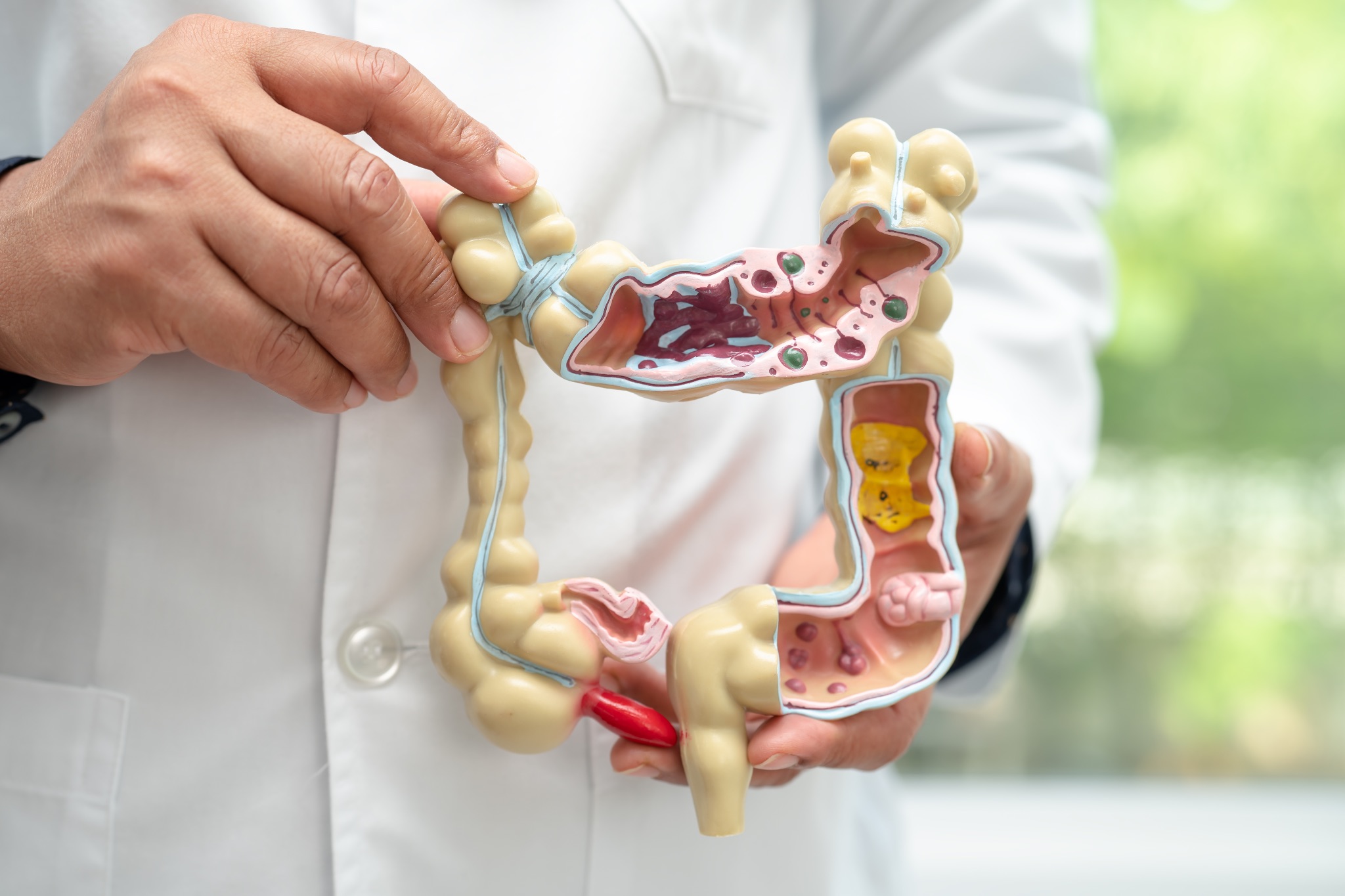
Unveiling the Mystery: How Our Gut Shapes Harmony
We often focus on tangible signs of health, like energy levels or clarity of skin. However, much of our vitality stems from the unassuming yet rich interplay within our digestive system. The gut, often dubbed the "second brain," orchestrates immunity, mood, and even neurodevelopment through complex microbial interactions.
The Delicate Dance of the Inner Ecosystem
Picturesque as a flourishing garden, the digestive tract houses a stunning array of microorganisms. This vibrant community of bacteria works collaboratively to break down food, synthesize essential vitamins, and shield the gut lining. Ideally, this ecosystem remains in homeostasis, a state where beneficial microbes thrive, creating a protective armor against potential intruders.
But this balance can be precarious. A poor diet, prolonged stress, or enduring illness may disrupt this harmony, causing a shift known as dysbiosis. When beneficial bacteria diminish, harmful microbes have a chance to proliferate. This upheaval not only affects digestion but can spur immune irregularities. For instance, opportunistic bacteria like Staphylococcus aureus can flourish when typical safeguards collapse. Such imbalances may trigger defensive responses within the immune system, often activating it into a chronic state of overdrive—a taxing ordeal for the body.
Interventions aimed at reinstating microbial equilibrium include the strategic use of probiotics. These supplements act like replanting beneficial strains in a weed-infested garden, effectively crowding out harmful species and restoring microbial diversity. This realignment supports a poised immune system, enhancing overall function. True health, therefore, remains deeply rooted in these microscopic interactions, a reminder that nurturing our gut is key to holistic wellness.
Beyond Digestion: The Skin and Inflammatory Connection
The digestive system's influence extends beyond gastrointestinal symptoms, manifesting visibly in skin health. Despite conventional categorizations of health issues, the body operates as an interconnected whole, linking gut disturbances to systemic inflammation and skin conditions.
When the gut barrier integrity is compromised, it transmits signals that heighten immune sensitivity across the body—often visible through dermal reactions like irritation or redness. Thus, the aesthetic glow of healthy skin owes as much to internal peace as it does to external skincare regimens.
To address skin woes comprehensively, one must redirect focus inward, promoting digestive wellbeing. Incorporating soothing foods and avoiding dysbiosis triggers reduces the overall inflammatory burden. A well-balanced gut often quiets skin afflictions, affirming the concept that genuine beauty radiates from internal health.
Gut-Friendly Foods and Stress: The Digestive Dance
The symbiotic relationship between dietary habits and emotional well-being is integral to digestive health. Our gut-brain axis serves as a conduit through which digestive and psychological states influence each other profoundly.
Foods that Foster Microbial Diversity
Cultivating digestive wellness begins at the table. Foods rich in probiotics and prebiotics serve as allies in nourishing beneficial gut bacteria. Probiotics found in fermented foods like yogurt, kimchi, and sauerkraut populate the gut with advantageous strains, enhancing digestive resilience. These live cultures are critical for maintaining gut barrier strength and modulating inflammation.
Prebiotics, non-digestible fibers present in diverse plant foods, further bolster this microbiome. They serve as sustenance for probiotics, enabling them to thrive and multiply within the gut environment. The harmonious interaction between prebiotics and probiotics establishes a robust microbial ecosystem, essential for maintaining digestive stability.
Modern advances also facilitate the use of supplements to fill nutritional gaps. Synbiotics—combined formulations of probiotics and prebiotics—offer a practical route for busy individuals to sustain a balanced microbiome.
Navigating Stress's Impact
Stress is an invisible yet potent disruptor of digestive harmony. It detrimentally alters gut motility and microbial diversity via its interaction along the gut-brain axis. During stress, the body prioritizes survival mechanisms, detracting resources from digestion. This diversion results in reduced enzyme secretion and impaired gut motility. Moreover, chronic stress can negatively sway microbial balance, further impairing digestive processes.
Conversely, nurturing a healthy gut can mollify stress's impact. A diet abundant in fermented foods and fiber aids microbial functions that modulate mood and immunity. By providing nutrients that stabilize the digestive environment, one empowers their body to withstand life’s pressures with heightened resilience. Thus, a well-rounded dietary approach significantly translates into sustained mental peace and physical vitality.
Hydration and Eating Patterns: Keys to Gut Health
Mindful hydration and established eating patterns are essential components of digestive wellness, complementing good nutrition.
The Role of Hydration in Digestion
Hydration underpins every physiological function, with digestion being no exception. Water is crucial for nutrient absorption, digestive enzyme function, and fecal passage. Insufficient fluid intake not only hampers digestion efficiency but can also lead to stagnation issues such as constipation.
To support digestive functions optimally, maintaining consistent hydration habits is vital. Drinking before meals prepares the stomach lining, while appropriate fluid consumption throughout the day ensures smooth digestive tract operation.
Hydration’s role extends to microbiome health as well. Fluids maintain a moist gut environment, essential for bacterial life. A hydrated gut fosters a balanced microbiome, supporting immune responses and reducing inflammation.
Eating Patterns: Rhythm and Regularity
Eating practices shape digestive efficiency as much as food content. Consistency in meal timing sets a predictable environment for the body’s digestive processes. Irregular patterns can scramble this biological rhythm, adversely affecting metabolism and gut microbe activity.
Mindful eating habits, such as chewing thoroughly and savoring meals, ensure optimal digestive preparedness. Creating a calm dining atmosphere allows bodily systems to transition from stress-oriented states to restorative "rest and digest" modalities.
In summary, gut health thrives on a cooperative effort between diet, hydration, and regular habits. By respecting these interconnected factors, one fosters an environment where beneficial microbes prevail, laying the foundation for internal harmony and, consequently, overall wellness.
Incorporate the above insights mindfully, and embrace the benefits of improved digestive health—an essential pillar to living vibrantly.
Question and Answer
-
What are some gut-friendly foods that can promote digestive wellness?
Gut-friendly foods that promote digestive wellness include fermented foods like yogurt, kefir, sauerkraut, and kimchi, which are rich in probiotics. These foods introduce beneficial bacteria into the gut, helping maintain a healthy balance of microorganisms. Additionally, foods high in fiber, such as fruits, vegetables, whole grains, and legumes, serve as prebiotics, providing nourishment for these beneficial bacteria. Incorporating these foods into your diet can enhance gut health by supporting the microbiome and improving digestion.
-
How does stress impact digestive health, and what strategies can mitigate its effects?
Stress affects digestive health by altering the gut-brain axis, which can lead to issues like altered gut motility and increased intestinal permeability. This can result in symptoms such as bloating, discomfort, and irregular bowel movements. To mitigate these effects, practicing stress-reduction techniques such as mindfulness, meditation, and yoga can be beneficial. Additionally, maintaining a balanced diet rich in gut-friendly foods and staying hydrated can help support the digestive system during stressful times.
-
Why is hydration important for maintaining digestive regularity, and what are some effective hydration practices?
Hydration is crucial for maintaining digestive regularity as it aids in the breakdown and movement of food through the digestive tract. Adequate water intake helps prevent constipation by ensuring that the stool remains soft and easy to pass. Effective hydration practices include drinking water consistently throughout the day, consuming hydrating foods like fruits and vegetables, and considering beverages with electrolytes to maintain fluid balance. It is also advisable to drink water before meals to aid digestion.
-
What role do lifestyle factors play in digestive wellness, and how can individuals incorporate healthy habits into their routines?
Lifestyle factors such as eating patterns, physical activity, and sleep play significant roles in digestive wellness. Regular meal times help regulate digestion and improve nutrient absorption, while physical activity stimulates intestinal activity, aiding regularity. Adequate sleep is essential for overall health and supports the gut-brain axis. Individuals can incorporate healthy habits by establishing consistent meal schedules, engaging in regular exercise like walking or yoga, and prioritizing sufficient sleep to support their digestive system.
-
How do eating patterns influence gut health, and what are some recommended practices for optimal digestion?
Eating patterns influence gut health by affecting the digestive system's efficiency and rhythm. Irregular eating habits can disrupt the body's internal clock, leading to digestive discomfort. Recommended practices for optimal digestion include eating at regular intervals, chewing food thoroughly, and avoiding distractions during meals to focus on mindful eating. These habits help the digestive system prepare for and efficiently process food, promoting better nutrient absorption and overall gut health.