Preparing for the Cosmic Journey: Establishing the Foundation
The journey to become a space tourist requires more than just enthusiasm and curiosity. It demands rigorous preparation to ensure safety and maximize the enjoyment of the unique experiences awaiting above. This preparation is akin to astronaut training, offering participants a taste of the challenges and thrills that lie ahead.
Understanding the Training Regimen
Embarking on a journey to the stars involves mastering the demanding rigors of space adventure training. Unlike conventional travel preparations, aspiring tourists must engage in extensive programs designed to simulate conditions beyond Earth's atmosphere. These training programs, such as those provided by licensed private astronaut training centers, seamlessly integrate elements of space medicine to ensure that participants are physically and mentally equipped for the journey. These centers offer comprehensive curricula tailored to familiarize future space travelers with the mechanics of microgravity, high-G force conditions, and other physiological challenges intrinsic to space travel.
Participants are immersed in simulation exercises that replicate the environment of space, promoting instinctual adaptation to critical scenarios they may encounter during the flight. Experiencing parabolic flights and engaging in high-stress scenarios develop muscle memory and physiological resilience. By the conclusion of the program, trainees find themselves not only physically prepared but mentally attuned to the extraordinary adventure awaiting them in orbit.
Simulating the Weightless Realm
Preparing for the microgravity environment of space demands extensive training to overcome the challenges posed by the absence of gravity. Engaging in zero-gravity adaptation techniques in specially designed facilities enables future space tourists to develop competence in navigating weightlessness. These training modules employ space medicine insights to instruct participants on how to manage bodily fluid distribution and orientation without Earth's gravitational pull.
Such programs often incorporate parabolic flight experiences that mimic the microgravity environment. By repeatedly encountering short periods of weightlessness, trainees gain firsthand experience, acclimating their bodies and senses to life without the constant pull of gravity. These exercises not only enhance physiological adaptation but also instill a deep appreciation for the unique sensations and movements experienced in space.
Embracing the High-G Challenge: Surviving and Thriving
One of the most intense aspects of space travel is dealing with the gravitational forces during launch and re-entry. Tourists must be well-prepared to handle these pressures to safely and enjoyably embark on their journey to the stars.
Conquering High-G Forces Through Preparation
The physical demands of launch and re-entry expose travelers to extreme gravitational forces that challenge both body and mind. High-G force conditioning is a critical aspect of space tourism preparation, involving the use of centrifuge training to simulate the conditions encountered during spaceflight. Participants experience forces greater than Earth's gravity, learning through repeated exposure how to effectively manage physical stress.
Through specific muscle-tensing maneuvers and strategic breathing techniques, travelers train their bodies to maintain blood circulation to the brain, preventing potential loss of consciousness. This preparation ensures that travelers are not only safe but can also enjoy the ascent and descent, maintaining focus and appreciation for the journey.
By engaging in this rigorous training, space tourists transform initial apprehension into confidence. As they become adept at managing high-G situations, the once daunting challenges become a source of exhilaration and personal triumph.
Psychological Preparedness: Building Mental Resilience
Accompanying the physical demands of space travel is the psychological impact of the journey. The confined environment, coupled with distance from Earth, requires participants to develop strong mental resilience. Training programs emphasize crew coordination, communication, and stress management, crucial components for maintaining calm and focus during the flight.
Instructors simulate various scenarios to hone problem-solving skills and promote collaboration among crewmates. By fostering a sense of camaraderie and trust, travelers form strong bonds, transforming potential isolation into a shared mission. The additional emphasis on mental fortitude ensures that participants are not only physically ready but mentally empowered to savor the momentous experience.
Beyond Earthly Limits: Experiencing and Reflecting on the Stars
The core of the space tourism experience lies in the profound moments spent beyond Earth. The journey extends beyond the physical trip, enveloping participants in a cognitive and emotional transformation that remains with them forever.
Capturing the Overview Effect
Travelers reaching space often undergo the cognitive shift known as the "Overview Effect." As they witness Earth from above, the stark beauty of our planet instills a sense of awe and interconnectedness that transcends ordinary experiences. This spiritual revelation requires a mind free from distractions of fear or discomfort, an achievement facilitated by meticulous pre-flight preparation.
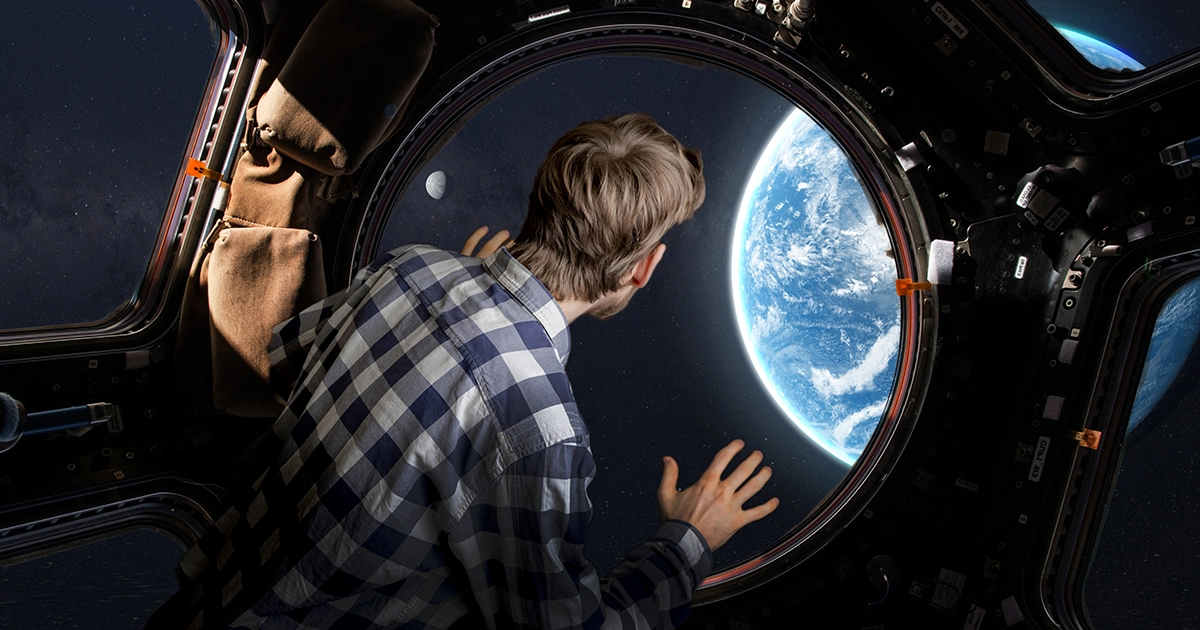
Floating effortlessly at the window, travelers encounter not only a visual spectacle but a profound introspection about their place in the universe. This poignant moment, unencumbered by the struggles of motion sickness or anxiety, becomes a defining chapter of their space odyssey and reinforces the intrinsic value of their journey.
The Return: Celebrating Milestones and Sharing Transformations
The journey does not conclude upon returning to solid ground. The post-flight experience is carefully curated to cement the emotional transformation and encourage the sharing of personal narratives. Space tourists are welcomed back with ceremonies and celebrations that acknowledge their accomplishments and mark the transition from surroundings of extraordinariness to familiar territory.
Structured storytelling sessions and media sharing platforms further enable travelers to articulate and disseminate their extraordinary experiences to friends, family, and the broader community. Operators recognize that beyond personal fulfillment, these stories ignite public interest and foster a culture of space exploration loyalty. As narratives of wonder and exploration circulate, space tourists become ambassadors for the cosmic experience, inspiring future generations to aspire to the stars.
Legacy and Continuity: Building a Community of Pioneers
The conclusion of the space journey gives rise to a newfound identity and a sense of belonging to a select community of modern explorers. Alumni networks foster continuous engagement, building connections among former space travelers and offering ongoing experiences to encourage lasting participation in space travel culture.
These communities act as support systems, offering psychological reinforcement for adapting back to mundane routines and opening doors to future cosmic endeavors. Together, they nurture the adventurer spirit, ensuring that the legacy of space tourism is one of lifelong connection and boundless curiosity.
Engaging with diverse cultural perspectives, these networks work to ensure that every traveler's background is cherished and integrated into an expanding human narrative of space exploration. As space tourism continues to grow, these initiatives will play a vital role in maintaining the spirit of discovery and inclusion for all who dare to reach beyond the horizon.
Space tourism is not merely a journey into the vast unknown but a transformative process that intricately weaves physical preparation, emotional growth, and human connection. Each step of this journey enriches the participant, creating memories that extend far beyond the boundaries of Earth.
Q&A
-
What is Suborbital Flight Training and why is it important?
Suborbital Flight Training prepares individuals for the unique conditions experienced during a suborbital spaceflight. This training is crucial because it helps participants understand the physical sensations and operational procedures involved, ensuring their safety and comfort. It typically includes simulations, safety protocols, and familiarization with spacecraft systems. -
How does Zero-Gravity Adaptation benefit potential space tourists?
Zero-Gravity Adaptation allows space tourists to acclimate to the sensation of weightlessness they will experience during their flight. By practicing in a zero-gravity environment, participants learn how to move, handle objects, and manage physiological changes, reducing the risk of disorientation and enhancing their overall experience in space. -
What does High-G Force Conditioning entail and who needs it?
High-G Force Conditioning involves training the body to withstand the intense gravitational forces encountered during launch and re-entry phases of space travel. This training is essential for anyone participating in spaceflights, as it helps prevent G-induced Loss Of Consciousness (G-LOC) and prepares the body to cope with the physical demands of space travel. -
Why is Spaceport Destination Planning significant for space travel companies?
Spaceport Destination Planning is vital for space travel companies as it involves choosing the most suitable launch and landing sites. This planning considers factors like geographic location, weather conditions, and proximity to major cities, ensuring efficient operations and enhancing the overall travel experience for clients. -
What role do Legal & Insurance Frameworks play in commercial space travel?
Legal & Insurance Frameworks are critical in commercial space travel as they define the regulatory requirements, liability issues, and coverage policies for both companies and passengers. These frameworks ensure that all parties are protected and that operations comply with international space law, fostering a safe and reliable space tourism industry. -
How can Post-Flight Experience Sharing enhance the space tourism industry?
Post-Flight Experience Sharing allows participants to recount their space travel experiences, providing valuable feedback to operators and inspiring potential future travelers. This sharing can improve service offerings, enhance customer satisfaction, and promote the accessibility and appeal of space tourism to a broader audience.