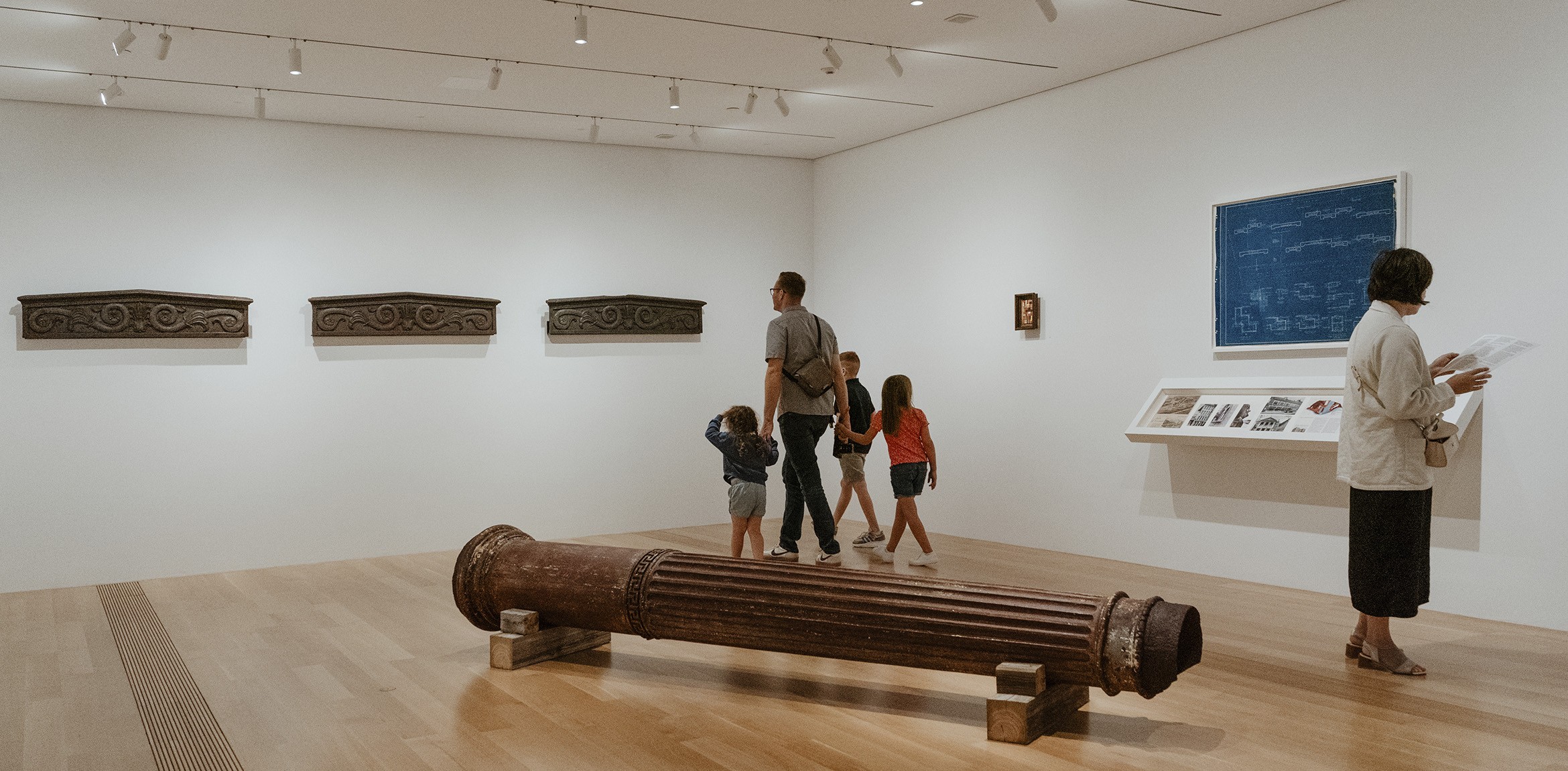
Unearthing Layers: The Art of Urban Excavation
Urban archaeology unveils the stories of ages gone by. It transforms bustling cities into vibrant storytellers of civilizations past, revealing their cultures and the dynamics of bygone societies. This exploration involves examining architectural remains amidst cityscapes, offering insights into economic, social, and political frameworks that shaped ancient hubs of life.
Advanced Technologies in Urban Archaeology
Recent innovations in digital tools have redefined urban excavation. Techniques such as Geographic Information Systems (GIS) and magnetometry, alongside real-time kinematic mapping and photogrammetry, provide fresh perspectives on ancient settlements. GIS enables the creation of detailed geographical maps to pinpoint potential excavation sites, while magnetometry uses magnetic sensors to unearth hidden structures like foundations and fortifications, reducing the need for disruptive digging.
On the other hand, photogrammetry and 3D modeling allow archaeologists to create virtual replicas of excavation sites. This method is particularly beneficial for preserving fragile artifacts or structures deemed too delicate to move. Photogrammetry captures high-resolution images from multiple angles, assembling them into accurate 3D models. These digital renditions not only aid researchers but also engage the public by offering virtual tours of archaeological wonders.
Layered Excavation Techniques
In urban archaeology, understanding the history of a city demands a methodical process—layered excavation. This technique involves removing soil in stages, each representing a different epoch. By analyzing these layers, archaeologists trace urban evolution, revealing shifts in architecture, infrastructure, and societal patterns. For instance, projects like those in early Byzantine sites have uncovered layers of fortifications and road systems, providing glimpses into past urban planning.
Each stratigraphic unit, whether it contains remnants of an ancient wall or fragments of household items, contributes to reconstructing urban timelines. Such painstaking efforts demonstrate that cities are palimpsests, where every layer harbors stories waiting to be told. Through this meticulous work, we gain a deeper appreciation of the complexities that led to the modern urban environments we see today.
Voices from the Past: Echoes of Local Tongues and Traditions
Cities are repositories of language and tradition, where the past speaks through dialects and customs. Urban cultural archaeology seeks to recover these voices, illuminating how diverse communities have influenced urban identities over time. Through artifacts, oral histories, and the study of local vernacular, this field reveals the cultural tapestries that define cityscapes.
The Role of Artifacts and Oral Histories
Artifacts serve as physical touchstones to the past, offering concrete glimpses into everyday lives. Pottery shards hint at culinary practices, while tool fragments suggest long-lost trades. Yet, not every facet of life leaves a material trace. Oral histories fill these gaps, capturing stories, songs, and customs that would otherwise fade. Interviews with long-standing residents or the examination of historical letters enrich the tapestry of urban history by incorporating lived experiences.
Both artifacts and oral histories are vital in forming a holistic picture of the past. By combining tangible objects with intangible narratives, archaeologists can reconstruct how past communities interacted with their environments and each other, thus preserving the multifaceted essence of urban life.
Preserving Linguistic Diversity and Traditional Customs
In many cities, linguistic diversity represents a mosaic of histories, with each dialect reflecting the distinct journey of its speakers. Preservation efforts involve public exhibitions and digital archives to safeguard this linguistic heritage. Exhibitions engage communities and visitors alike, bringing past conversations to life through workshops and historical reenactments. These interactive experiences reveal the local dialects and customs that have colored urban interactions for generations.
Digital archiving complements these efforts, ensuring that future generations can access and learn from these cultural treasures. By making archives available online, cities promote a broader appreciation of their linguistic and cultural richness, celebrating the diversity that characterizes urban histories.
Crafting Legacy: A Tour of Forgotten Workshops
Workshops, once vibrant centers of production and creativity, continue to shape cities long after their doors have closed. These spaces not only defined economies but also served as cultural hubs. Rediscovering and celebrating these forgotten spaces offers valuable insights into the crafts and trades that once fueled the city's heartbeat.
Rediscovering the Craftsmanship of the Past
Urban workshops, bustling with artistry and innovation, made significant economic and social contributions. They served as communal spaces, where knowledge passed across generations and alliances forged, reinforcing communal bonds. However, time has often seen these vibrant spaces ebb into obscurity, leaving only echoes of their industrious past.
Revisiting these spaces through spatial narratives helps illuminate their former roles. By examining their design and location, archaeologists can reconstruct the socio-economic ties that defined them. Preferentially situated near marketplaces or transport routes, workshops reveal networks essential for the exchange of goods and ideas. Exploring these remnants provides rich narratives about past livelihoods and cultural practices.
Digital Tools for Exploration
Technological advancements offer means to rekindle interest in forgotten workshops. Through digital mapping and 3D technology, researchers can virtually reconstruct these spaces, providing immersive experiences to a global audience. Initiatives like interactive exhibits enable visitors to explore detailed models of workshops, allowing a glimpse into their erstwhile operations and atmosphere.
By leveraging digital tools, the legacy of these workshops is preserved and shared, ensuring their tales of craftsmanship continue to inspire and instruct. Such engagement not only honors past artisans but also fosters appreciation for the intricate skills that contributed to urban cultural heritage.
Street Chronicles: Migrant Stories Shaping Urban Fabric
Behind the evolving facades of cities lie countless migrant stories—narratives of resilience and transformation. These stories enrich the urban tapestry, weaving together diverse cultural threads that define and renew city life. Recognizing the experiences of migrants uncovers deeper layers within the urban narrative, spotlighting the vibrant roles diverse communities play in shaping cities.
The Role of Archaeology in Unveiling Migrant Histories
Archaeology uncovers stories often eclipsed by history, offering platforms for marginalized voices. By focusing on migrant narratives, archaeological projects highlight the enduring influence of diverse communities on urban development. These projects enable the documentation and preservation of threatened cultural identities, ensuring they remain integral to the city's collective memory.
Ethnographic Engagement and Community Involvement
Ethnography adds depth to archaeological findings by engaging directly with migrant communities. This approach brings to light firsthand stories of migration, revealing how these experiences have molded urban landscapes. Involving communities in this exploration fosters a sense of ownership, encouraging active participation in preserving their cultural legacies.
Through collaborative research, these personal narratives enrich the urban story, transforming how we perceive and interact with our cities' diverse heritages.
Q&A
-
What can participants expect from Underground History Tours?
- Participants of Underground History Tours can expect to delve into lesser-known historical sites beneath the city's surface. These tours often include visits to forgotten tunnels, ancient cellars, and historical crypts, offering a unique perspective on the city's past that is not typically covered in traditional history lessons.
-
How do Migrant Neighborhood Walks enhance cultural understanding?
- Migrant Neighborhood Walks provide an immersive experience into the diverse cultures brought by immigrants to a city. Participants learn about the history, traditions, and contributions of different migrant communities, fostering a deeper appreciation and understanding of the cultural mosaic that shapes modern urban life.
-
What insights can be gained from an Architectural Era Exploration?
- Architectural Era Exploration tours offer insights into the evolution of architectural styles and urban planning over different periods. Participants can learn about the socio-economic factors and historical events that influenced the design and construction of buildings, allowing them to appreciate the aesthetic and functional aspects of the city's architecture.
-
Why are Local Dialect Phrases significant in cultural tours?
- Local Dialect Phrases are significant as they provide a deeper connection to the area's culture and history. Understanding and using these phrases can enrich the experience of a tour by offering insights into the local way of life, humor, and values, often reflecting historical influences and community identity.
-
What is the importance of Vanishing Trade Workshops in preserving heritage?
- Vanishing Trade Workshops play a crucial role in preserving traditional skills and crafts that are at risk of disappearing. These workshops offer hands-on experiences where participants can learn about and practice age-old techniques, helping to keep these trades alive for future generations and maintaining a tangible link to cultural heritage.
-
How do Historical Reenactment Encounters enhance the educational experience?
- Historical Reenactment Encounters enhance the educational experience by bringing history to life through interactive performances. These encounters allow participants to witness and engage with historical events and figures in an engaging manner, making learning more dynamic and memorable.