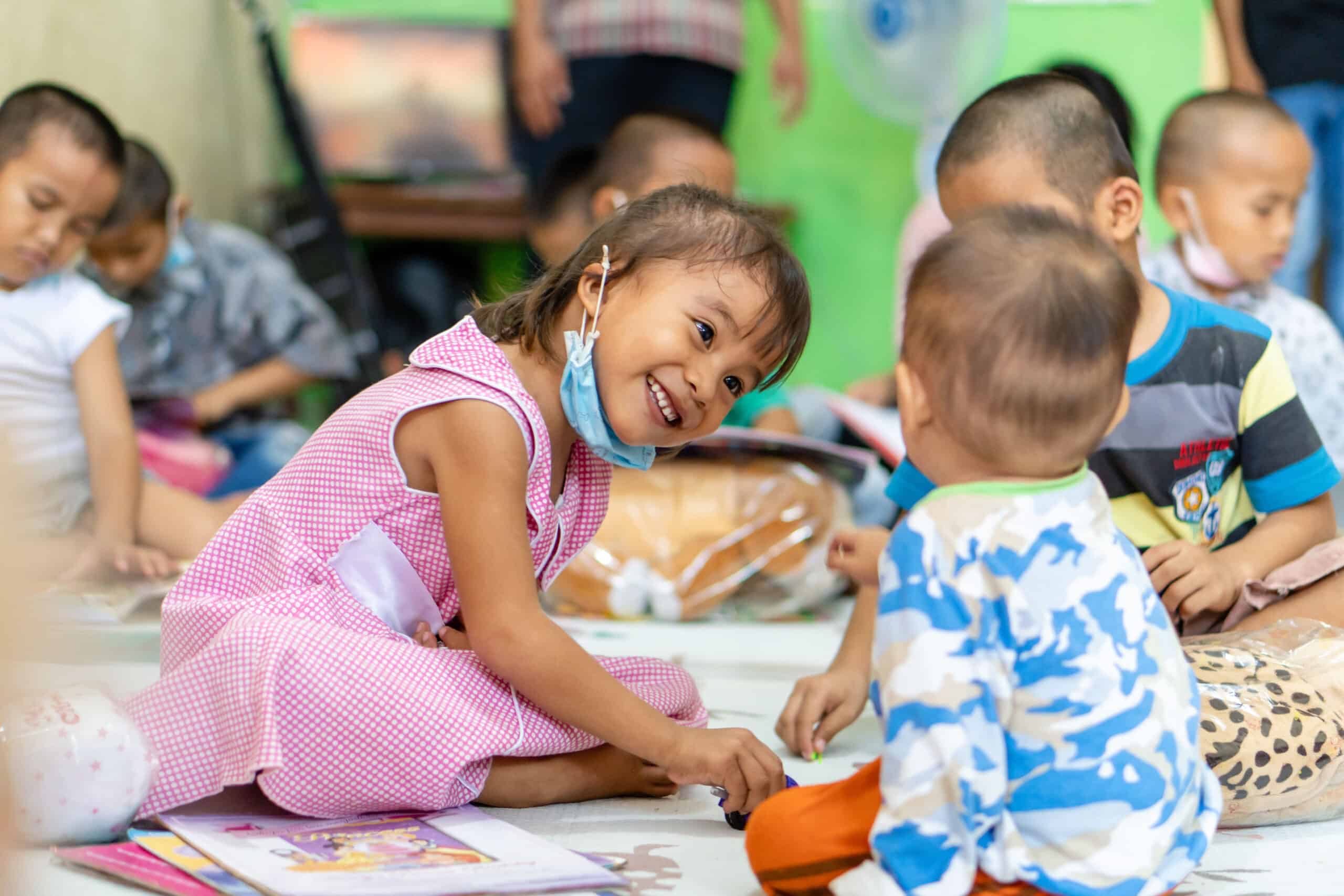
Developing Emotional Awareness in Youth
Cognitive skills are important, but emotional awareness is what truly empowers children to form fulfilling connections. This section focuses on nurturing emotional awareness, emphasizing the need for children to recognize and manage their feelings.
Building Emotional Skills through Interaction
The journey to emotional awareness often begins in environments where speaking about feelings is encouraged. Creating spaces where children can openly express their thoughts and emotions paves the way for developing this essential skill. Activities like storytelling and group emotional recognition games play a significant role in teaching children about emotional cues, helping them to identify and articulate their own emotions.
Empowering children in this way leads to a better understanding of themselves and those around them, fostering empathy and compassion as they relate to others' feelings. As children become more adept at identifying emotions in various situations, they build a foundation for genuine connections and lasting friendships. Structured spaces that emphasize emotional expression and support—whether it be through collaborative games or artistic expression—help nurture these qualities.
Cooperative Engagement and Social Skills
Building positive relationships often requires cooperative engagement, where children work together to achieve a common goal. This section explores how various activities can enhance the social skills necessary for developing healthy and effective peer interactions.
Group Activities as Catalysts for Communication
Group activities are powerful tools for enhancing communication and social skills. Collaborative play, whether in structured team-based games or informal group problem-solving tasks, prompts children to express their ideas and listen to others, thus refining how they interact socially. This setting demands that they navigate the complexities of verbal and non-verbal communication, learning to differentiate between speaking and listening roles.
Attaining proficiency in these skills equips children with the confidence to address and resolve conflicts, appreciate diverse perspectives, and effectively convey their viewpoints. Research suggests that children who engage in cooperative play develop stronger communication and cooperation abilities, cultivating skills that will greatly benefit them in adult social and professional environments.
Nurturing Group Dynamics
In cooperative environments, the structure of group dynamics allows children to practice leadership and learn about inclusion. For example, collaborative projects and peer-mentoring activities offer opportunities for kids to assume leadership roles, giving them the responsibility to guide their peers and appreciate each individual's unique contribution.
This emphasis on leadership and inclusion not only strengthens peer bonds but also fosters a supportive environment where each child feels valued. As they participate in these activities, children learn that effective teamwork relies on every member’s active involvement, ensuring that no one is left behind. Emphasizing cooperative efforts and the recognition of diverse perspectives in group settings builds interpersonal competence, crucial for successful societal integration.
The Digital Arena: Broadening Social Interaction
In the digital age, where virtual interactions increasingly form a significant part of socialization, it is important for children to understand how to navigate these new spaces to build healthy relationships.
Establishing Connection through Digital Collaboration
Digital platforms, designed to mimic real-world interactions, serve as another stage for social skill development. These platforms offer children alternative avenues to practice communication and teamwork, often requiring them to engage in problem-solving tasks and cooperative challenges. By participating in such virtual environments, children learn to navigate interactions that lack the visual and physical cues present in face-to-face communication.
Collaborative digital tasks encourage active participation and require articulate, precise communication to succeed. Children learn to ask clarifying questions and give detailed instructions, building strong comprehension and communication skills. Moreover, involvement in digital teams provides a space for children who might be socially shy or anxious in physical settings to establish connections, sometimes adding a layer of confidence that transfers to real-world interactions.
Progressing Beyond Immediate Peer Circles
While an emphasis on empathy, respect, and teamwork creates a nurturing atmosphere for peer relationships, these values also extend beyond immediate friendships and into broader societal interactions.
Preparing for Broader Community Integration
As children grow and develop healthy social skills within their circles, this foundational competence encourages them to participate effectively in larger communities. By understanding the principles of empathy and engaging responsibly with their community, children naturally transition from playmates to contributing members of society.
Educational environments that integrate lessons on active citizenship prepare students to partake in civic responsibilities with an understanding of how individual actions affect the greater good. This expanded view encourages students to contribute positively to global discussions, revealing the importance of adaptability and the benefits of working harmoniously within diverse groups.
Q&A
-
What are some effective ways to improve social skills within group activities?
Improving social skills within group activities can be achieved through active participation, practicing empathy, and effective communication. Engaging in role-playing scenarios, where individuals simulate different social situations, can also be beneficial. Additionally, seeking feedback from peers and reflecting on interactions can help identify areas for improvement.
-
How can teamwork in classroom settings enhance peer relationships?
Teamwork in classroom settings encourages collaboration and mutual respect among students. By working together towards common goals, students learn to appreciate diverse perspectives and skills, which can strengthen peer relationships. This collaborative environment fosters trust and understanding, leading to more meaningful and supportive friendships.
-
What are the benefits of classroom socializing for students' development?
Classroom socializing aids in the development of communication skills, emotional intelligence, and conflict resolution abilities. It provides students with opportunities to practice and refine their social interactions in a structured environment. This social engagement is crucial for building self-confidence and preparing students for future social and professional settings.
-
How can educators facilitate positive peer relationships through group activities?
Educators can facilitate positive peer relationships by designing inclusive and engaging group activities that require cooperation and mutual support. Activities that emphasize shared objectives and fair participation can help students connect and build rapport. It's also important for educators to create a safe and respectful classroom atmosphere where all students feel valued and heard.
-
What role do social skills play in enhancing teamwork among peers?
Social skills are essential for effective teamwork as they enable individuals to communicate clearly, resolve conflicts amicably, and collaborate efficiently. Strong social skills help team members understand each other's strengths and weaknesses, leading to better coordination and a more harmonious working dynamic. These skills are crucial for achieving team objectives and fostering a positive team culture.