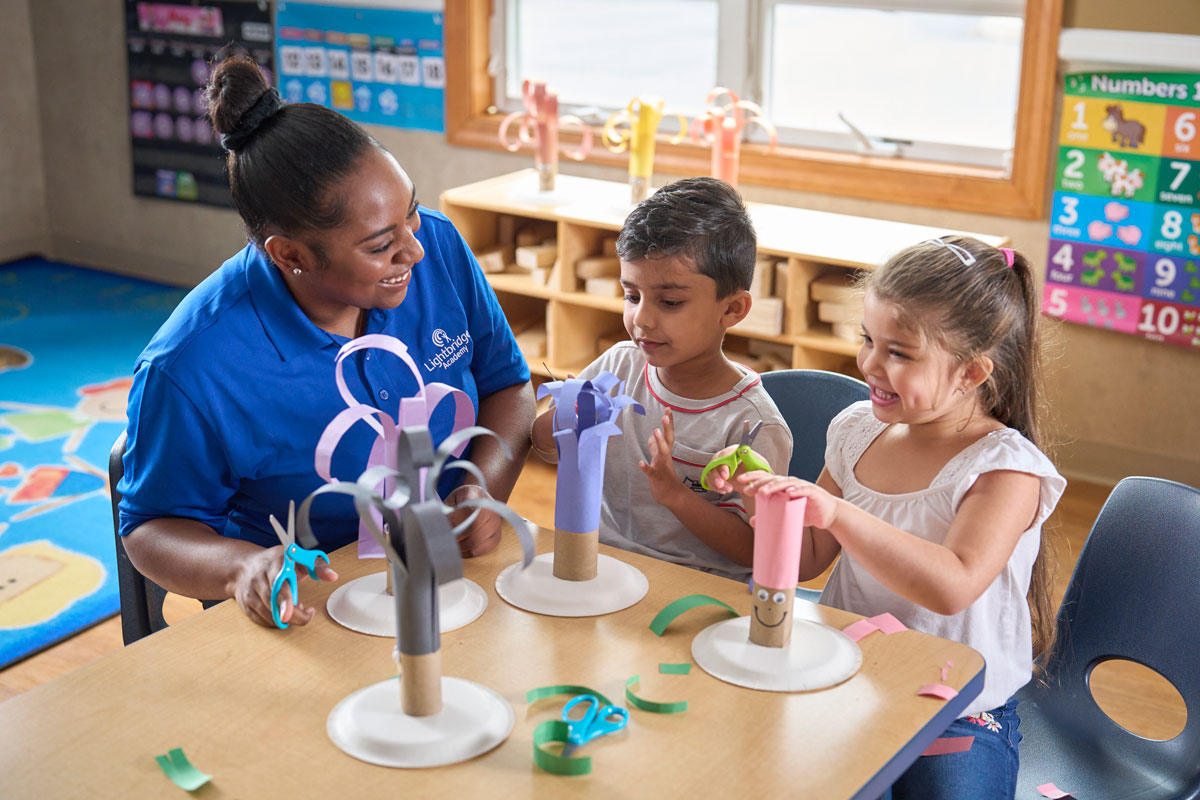
Creative Approaches to Blending Learning Environments
Offering a holistic educational experience often means daring to mix traditional and digital approaches to foster academic, emotional, and social development.
Enhancing Emotional and Social Connections
Integrating emotional well-being within daily learning is vital. Teachers can incorporate reflection and mindfulness into classroom routines, fostering an emotionally secure atmosphere. Collaboration between educators and families is essential, allowing tailored interventions that range from foundational supports to targeted assistance. Regular emotional check-ins can be conducted using communication tools in both home and school settings, promoting strong, supportive environments. Parents play a critical role by continuing these practices at home, reinforcing emotional growth and understanding.
Utilizing Technology for Tailored Education
Digital tools have revolutionized the learning landscape. They allow for the customization of educational resources to match diverse student needs. Interactive digital platforms offer engaging content and personalized learning experiences, which parents can continue to support at home, ensuring continuity in learning. When students switch smoothly between learning in classrooms and at home through consistent digital activities, the transition becomes less disruptive, supporting continuous engagement and progress.
Integrating Cultural Knowledge with Academic Content
Celebrating cultural diversity in education enriches the learning experience. Whether through family stories or community traditions, integrating these narratives within academic frameworks builds identity and appreciation for various cultures. Tools like zines enable children to express personal cultural stories, which supports the emotional and intellectual growth necessary for comprehensive education. Parents and educators working together can facilitate enriching discussions and projects, deepening understanding and respect across cultural divides.
Embracing Community-Focused Projects
Projects connected to the community, such as local history research or environmental initiatives, give students real-world application of classroom learning. This place-based learning creates connections between home and school knowledge and the communities in which students live. Such projects are supported by educators guiding classroom activities and by parents who can provide firsthand experiences and participate in community-based learning events.
Harnessing Digital Resources for Cognitive Development
Technology offers not just a substitute for traditional methods but an enhancement that broadens access to education and makes interactive learning universally accessible.
Integrating Digital Education
Schools across English-speaking countries are increasingly incorporating technology, making learning interactive and engaging. Tools like interactive whiteboards and tablets not only support diverse learning styles but also enrich lessons with multimedia elements. This integration helps personalize educational experiences, turning the classroom into a dynamic learning environment and allowing students to engage with learning materials in diverse, meaningful ways.
Facilitating Remote Learning and Data-Driven Progress
With the rise of online learning models, educational technologies enable effective remote education. Platforms that deliver real-time formative assessments help educators gauge student progress, adapt instruction, and address learning challenges. Such platforms are critical in maintaining student engagement, even when learning occurs outside the physical classroom. They enable continuous feedback loops between families and educators, ensuring that all participants work towards shared educational goals.
Promoting Inclusivity through Technology
Digital tools break down barriers to quality education, offering equitable opportunities for all students, particularly those in underserved areas. With proper investment in digital education infrastructure, countries can ensure robust access to education, allowing all students, irrespective of socio-economic backgrounds, to excel. This accessibility is a crucial factor in bridging educational gaps and fostering success in a diverse array of learning environments.
Fostering Curiosity and Engagement at Home
Cultivating curiosity is crucial in the early developmental stages, as it drives exploration and the joy of learning.
Encouraging Exploration through Inquiry and Visualization
Children thrive when encouraged to explore ideas through inquiry-based learning and visualization, especially in subjects like math and science. Using tools like visual documentation and interactive apps can transform difficult concepts into engaging activities. This approach promotes hands-on learning and encourages critical thinking, fostering a deeper understanding and interest in subjects that are traditionally considered challenging.
Importance of Parental Involvement and Hands-On Learning
Parents are essential partners in cultivating a curious and engaged learner. hands-on materials and interactive activities foster deeper comprehension and retain attention. Parental involvement through participation and the use of educational tools both anchor children’s curiosity and promote a more unified educational journey. This involvement signifies that learning continues beyond the classroom and is a lifelong and family-oriented adventure.
Experiential Learning and Technological Play
Experiential learning, often enhanced by technology, breathes life into education. Activities like story-telling, science experiments, and virtual field trips adapt learning to real-world contexts, helping children establish strong connections between what they learn and its application. Programs offering training for streamlining technology use in science and art education can be adapted for home, promoting more personal and immersive educational experiences that instill lasting curiosity in young minds.
Bridging Traditional and Modern Educational Methods
To prepare children for the future's demands, educators must marry classic teaching methodologies with modern technology.
Blending Classic Techniques with Digital Innovation
Educators are embracing a balanced approach that combines hands-on, traditional pedagogies with cutting-edge digital innovations. Many schools rely on a hybrid model that maximizes the strengths of both approaches, creating engaging lessons that cater to various student needs and promoting a comprehensive learning environment that values both structure and creativity.
Encouraging Critical Thinking and Adaptability
Instilling adaptability and critical thinking in young learners is essential. By leveraging traditional methods for foundational skills and modern tools for creative exploration, educators prepare children to think critically and adapt to changing landscapes. Programs combining direct instruction with group, interactive activities foster teamwork, creativity, and a readiness to tackle future challenges.
Supporting Language Acquisition and Cognitive Growth
Incorporating AI-enhanced applications can support and accelerate cognitive development, offering personalized feedback that helps students learn and grow. However, balancing technology use with teacher interaction is crucial; human elements in education foster social skills and emotional intelligence, critical areas where traditional methods still excel.
Ethical Considerations in Educational Technology
As technology becomes a staple in education, it’s necessary to assess implications related to its use, emphasizing mentorship, ethical reasoning, and responsible digital citizenship. Balancing technology’s potential with its ethical challenges ensures that students not only thrive academically but become informed, conscientious global citizens.
Q&A
-
What are the benefits of preschool education in a child's early development?
Preschool education plays a crucial role in a child's early development by providing a structured environment where children can learn basic social, emotional, and cognitive skills. It helps in developing language skills, encourages cooperative play, and introduces early literacy and numeracy concepts which are foundational for primary school education.
-
How does online education support primary school students?
Online education offers flexibility and access to a wide range of resources that can enhance learning for primary school students. It allows for personalized learning experiences, interactive lessons, and access to educational tools and games that can make learning more engaging. Additionally, it can cater to different learning paces and styles, providing supplementary support alongside traditional classroom education.
-
What are some effective study tips for home schooling?
Effective study tips for homeschooling include establishing a consistent daily routine, creating a dedicated learning space free from distractions, and incorporating breaks to maintain focus and reduce fatigue. It's also beneficial to use a variety of educational resources such as online courses, books, and hands-on activities to cater to different learning preferences. Setting clear goals and regularly assessing progress can help maintain motivation and track achievements.
-
Why is early learning important, and how can parents facilitate it at home?
Early learning is vital as it lays the foundation for lifelong educational success. It promotes cognitive development, critical thinking, and problem-solving skills. Parents can facilitate early learning at home by engaging in activities such as reading together, playing educational games, and encouraging exploration and questioning. Creating a stimulating environment with access to books, puzzles, and creative materials can significantly enhance a child's learning experience.
-
What role does technology play in enhancing early learning and home schooling?
Technology plays a significant role in enhancing early learning and homeschooling by providing interactive and multimedia content that can capture children's attention and make learning more enjoyable. Educational apps, online games, and virtual field trips can supplement traditional learning methods and provide diverse learning experiences. Technology also enables access to global educational resources and communities, allowing for a more comprehensive and inclusive educational experience.