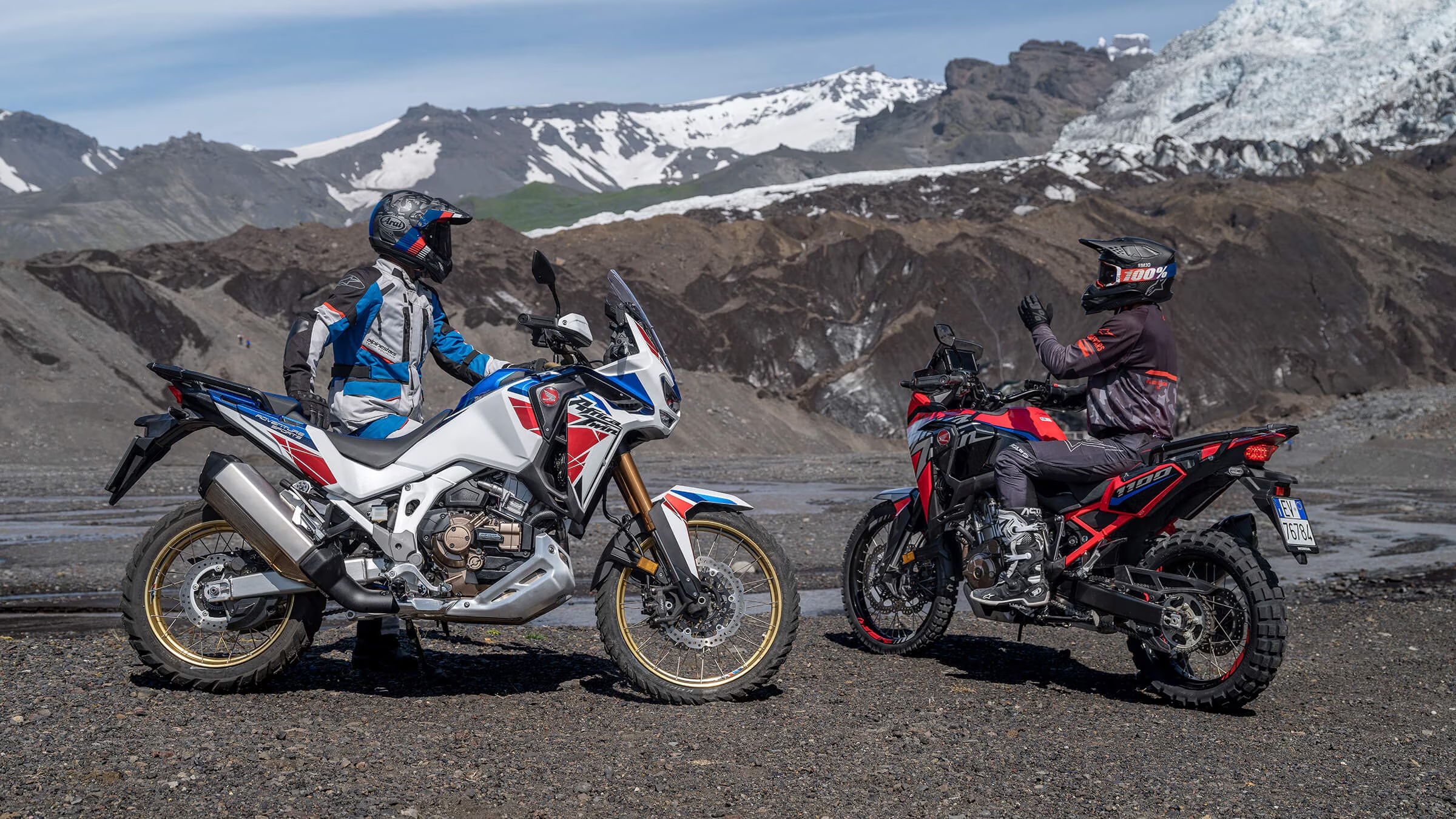
Preparation for Journey: Crafting a Mobile Ecosystem
Planning for extended motorcycle tours demands more than enthusiasm; it requires strategic forethought, especially in regions with unpredictable climates and challenging geography. Key to success is crafting a balance between agility and preparedness, wherein every piece of gear plays an essential role.
Tailoring Equipment to Weather Variability
Weather variability is an enduring element of motorcycling adventures. Faced with this, the prudent rider implements a versatile approach, favoring adaptability over excessive packing. Setting priorities like waterproof, breathable clothing is foundational. A common strategy involves layering: starting with moisture-wicking base layers, topped by insulating mid-layers, and finally a waterproof layer. This method ensures warmth in cold winds and cooling in humid conditions. High-quality gloves, boots, and helmets with adaptive features, like interchangeable visors and ventilation systems, further enhance resilience across changing climates.
To organize effectively, employing modular storage systems on the bike is essential. They provide easy access to clothes or gear, minimizing time spent rummaging during sudden weather shifts. A well-separated storage plan prevents potential water damage to critical or delicate items like electronics. Before departure, creating a checklist specific to a climate or region ensures nothing vital is forgotten, cushioning against unforeseen conditions.
Balancing Load and Accessibility
A successful ride hinges on how well gear is packed. Distribution of luggage affects the motorcycle's handling and safety. Employing a combination of hard and soft luggage systems effectively separates secured from easily accessible items. The weight should be distributed low and towards the middle of the bike to maintain a stable center of gravity. Tools and spares are best placed at the bottom of saddlebags, with lighter items, such as sleeping gear, on top.
Accessibility goes hand in hand with organization. Utilizing packing cubes and lid organizers can transform the interior landscape of panniers from chaotic to systematic. Small items like charge cables, maps, and first aid supplies find their place often in compartments easily reachable even without dismounting, maintaining operational efficiency.
Motorbike Mechanical Integrity: Keeping the Momentum
The symbiosis between rider and bike is indispensable to obscure adventures. Each system of the motorcycle must be trusted to function before the journey begins, requiring what some call "pre-ride serenity," a state achieved through rigorous preparation and checks.
Preventive Maintenance and Optimization
Routine maintenance far exceeds merely reacting to issues as they come. By undertaking comprehensive checks of a motorcycle's systems—tires, brakes, fluids, and chains—one reduces the chances of road mishaps significantly. Effective strategies include utilizing visual and "hands-on" assessments. Tires are not only inspected for pressure and tread wear but sidewall cracks and any foreign objects that could compromise integrity.
Furthermore, oil and filtration care varies slightly between short jaunts and high-caliber tours demanding higher-spec synthetic oils that endure thermal stress. The preference leans towards manufacturer-specific kits designed precisely for the engine types in question. These combine filters capable of trapping minute debris with oils maintaining lubricity despite variable ride speeds. Riders often swear by oil change routines right before long trips, fortifying engine health as the frontier beckons.
Augmenting Equipment for Resilience
Supplementary protective gear—such as crash bars, engine guards, and skid plates—is no less essential. These components are engineered to seamlessly absorb impact, preventing damage that can lead to tour-ending delays. Furthermore, attention to wearable components like clutch and brake handles using high-quality handguards fortifies against falls.
Preclusion of electrical failure involves reviewing all connectors and ensuring waterproof features are functioning. Attention to such details ensures cruising through mineral-dense dust fields or relentless rains without forfeiting electrical systems. Modifying the bike for additional electronics, whether improving lighting or navigation, must respect the bike's wiring constraints to avoid overloads, pursuing order that guarantees orchestrated resilience.
Route Navigation and Coordination: Staying on Course
Successful journeys are underwritten by meticulous preparation across navigation, incorporating technology to shield against unforeseen circumstances and capitalizing on organic community resources.
Advanced Technology for Roads Less Traveled
Navigating off the grid demands robust, specialized GPS devices designed to endure the punishment of rugged environments, offering offline map capabilities critical where connectivity falters. These instruments, resistant to dust and water, feature highly readable screens that operate efficaciously under harsh light.
Tools like buddy tracking applications—relatively recent favorites—ensure group cohesion, tracking each rider's position in real-time and enabling immediate response to incidents. Emerging technologies now couple navigation with the bike's sensors, displaying comprehensive data such as engine metrics, empowering riders to make informed decisions en route.
Strategizing for Group Travel and Cooperation
Once the path evolves to barely marked lines on a map, planning becomes imperative. Fuel management is paramount; communities can have sparsely spaced refueling options. Group coordination is vital, ushering in efficiency through pre-organized fueling spots and check-in times, decreasing bottlenecks. The advantage of a cohesive unit extends to mechanical mishaps, with communal repair networks facilitating access to scarce parts and expertise. Riders often familiarize themselves with satellite communication devices and forums, cultivating a network of knowledge that mitigates the isolation of the wild.
Crossing International Borders: Paper Trail Mastery
Embarking on international tours transforms logistical details into crucial determinants of journey progress, with documentation forming the backbone of cross-border travel success.
Navigating Regulations and Paperwork
More than a polysynthetic exercise, international tours demand sustainable arrangements, such as proof of compliance with foreign emission standards and safety checks, reflecting local regulatory landscapes. Attaining relevant documentation, such as certificates of conformity, can alleviate border scrutiny immensely. Understanding the nuances of these regulations through proactive research and preparation prevents unwanted delays or penalties.
Document Readiness and Assurance
Beyond vehicular compliance, the rider's portfolio—a valid passport, visas, and permits—must meet each country's demands. Securing an International Driving Permit enhances flexibility at border stops, cancelling out potential language barriers and affirming competence and legitimacy on unfamiliar roads. Duplication of critical documents, separated during travel, erects precautionary layers against theft or loss, ensuring continuation across delineations.
Constellating these elements into the mind of every aspiring adventurer bears the sine qua non of practical triumph, charting passage across the immensity of adventure with an assured, untroubled mind.
Q&A
-
What are the essential steps for bike preparation and maintenance before a long-distance journey?
Proper bike preparation and maintenance are crucial for a successful long-distance journey. Begin by thoroughly inspecting your bike, checking the brakes, tire pressure, and oil levels. Ensure all lights are functioning, and tighten any loose bolts or components. Regular maintenance like chain lubrication and cleaning is vital, especially before a long ride. Carry a basic tool kit and spare parts like tubes and cables to handle minor repairs on the road.
-
How do Cross-Border Carnets facilitate international motorcycle travel?
Cross-Border Carnets are essential for international travel as they simplify customs procedures. They act as a passport for your motorcycle, allowing temporary importation into foreign countries without paying customs duties. To obtain a carnet, contact your local automobile association, and ensure you have all the necessary documentation, including proof of ownership and insurance. Understanding the carnet process can save time and prevent legal issues when crossing borders.
-
What riding gear is recommended for varying climates during a motorcycle trip?
When preparing for a trip through different climates, versatile riding gear is essential. Invest in a high-quality, waterproof, and breathable jacket and pants with removable liners for temperature regulation. Layering is crucial; thermal layers for cold weather and moisture-wicking fabrics for heat are recommended. Additionally, consider all-weather gloves, boots, and a helmet with ventilation options to adapt to changing conditions.
-
What tools and techniques are beneficial for remote route navigation?
For remote route navigation, a reliable GPS device with offline maps is indispensable. Carry a physical map as a backup and familiarize yourself with compass navigation. Smartphone apps designed for offline use can be helpful. Learn to interpret topographic maps and use landmarks for navigation. Always plan your route in advance, informing someone of your itinerary, and be prepared for unexpected detours.
-
How can community repair networks support motorcyclists during their travels?
Community repair networks provide invaluable support to motorcyclists by offering resources, tools, and local expertise. These networks often consist of local workshops or clubs that assist travelers with repairs and maintenance. Connecting with these communities before and during your trip can provide peace of mind and practical help when facing mechanical issues. Many networks also foster camaraderie and knowledge exchange, enriching the travel experience.
-
What are the dynamics of solo versus group riding, and how do they impact the travel experience?
Solo riding offers freedom and self-discovery, allowing for a flexible itinerary and personal reflection. It requires self-reliance and thorough preparation for safety. In contrast, group riding provides social interaction and shared experiences, which can enhance safety and enjoyment through mutual support. However, it demands coordination and compromise. Understanding the dynamics of both can help you choose the experience that best suits your travel goals.