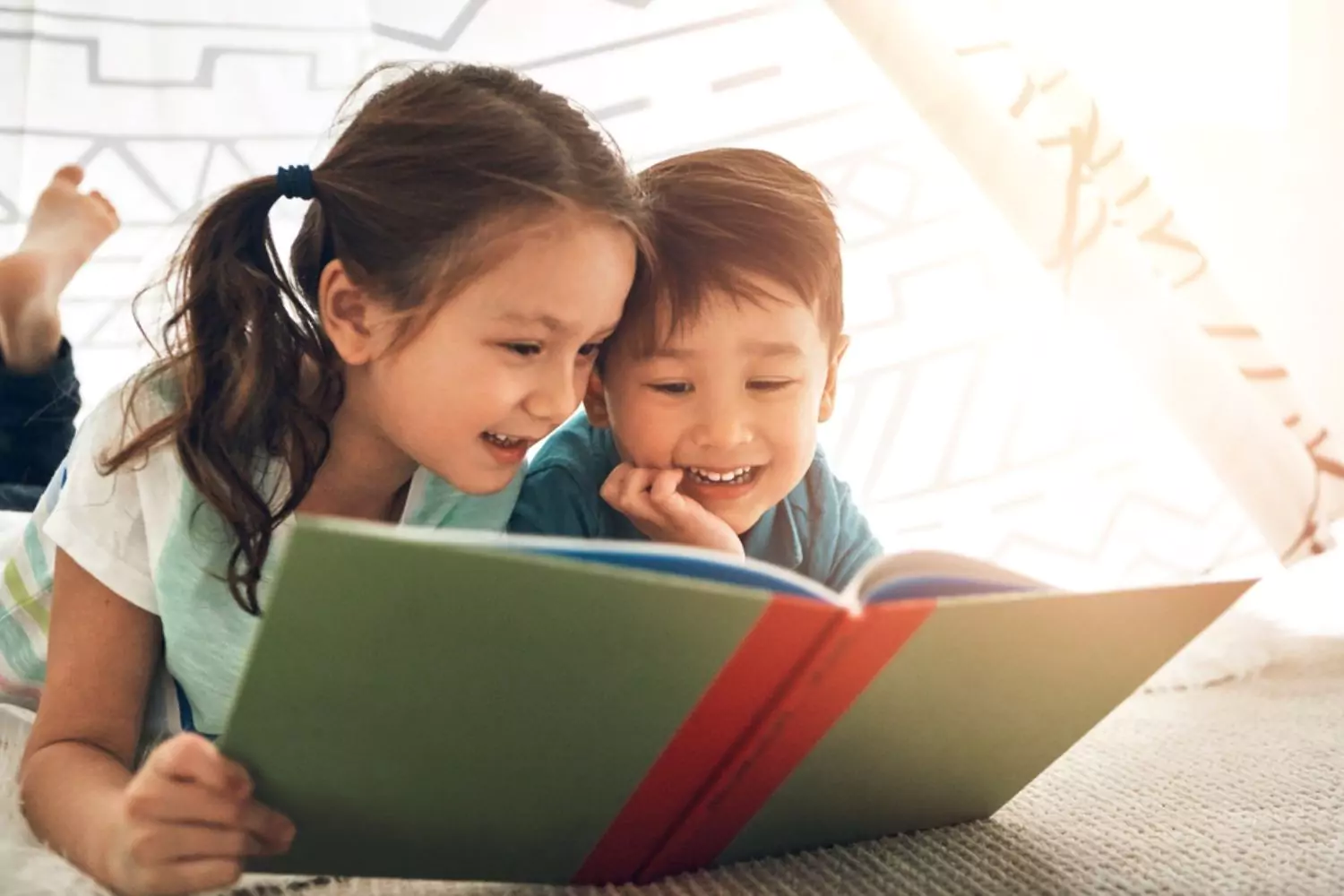
Creating a Curiosity-Driven Environment for Learning
Developing an environment that fuels curiosity is about setting the stage for exploration rather than providing all the answers. In this context, creating an inviting space that encourages questioning is key. Engaging children through carefully crafted activities goes beyond just reading out loud or executing a structured lesson plan. Imagine lessons where biology meets storytelling, where tales about bugs prompt questions about life cycles, habitats, and environmental factors affecting these mini-ecosystems. This isn't about passive listening—it's an interactive process requiring students to participate, draw connections, and formulate ideas, enhancing both comprehension and retention.
Incorporating interactive elements such as storytelling can beautifully blend with themes of ethics, science, or social dynamics. An enriching learning environment fosters literacy not merely through traditional reading but via diverse avenues including multimedia presentations, experiential narratives, and collaborative projects that kindle the embers of early literacy development.
Moving Beyond Rote Memorization
For far too long, education systems worldwide have emphasized rote learning—memorizing facts without understanding underlying principles. This outdated approach fails to engage children effectively, often resulting in missed opportunities for developing critical thinking and problem-solving skills. Moving towards an experiential learning model is essential. Activities that allow children to explore, question, and interact are vital during the formative years as they lay the groundwork for more advanced study.
For younger children, play serves as a primary mechanism for intellectual growth. Structured play isn't merely a fun break from academics; it harnesses fundamental concepts in physics, language arts, and social interaction. Consider games involving building blocks, where children naturally delve into concepts of geometry, balance, and spatial awareness. They learn social negotiation and language skills as they plan their constructions and solve disputes among peers. This initial play-based method gradually evolves into more structured experience-based learning as students advance, allowing them to analyze and understand complex ideas through hands-on activities.
Education systems that integrate arts, science, and physical activities create a joyful learning experience. They guide students away from memorizing isolated facts towards constructing a deep understanding of interconnected subjects. This development of cognitive pathways encourages active learning and helps embed knowledge in a meaningful way.
The Power of Hands-On Exploration
To foster understanding, "tinkering"—or learning by doing—emerges as a pivotal teaching tool. Innovation labs and maker spaces become critical environments bridging the chasm between theoretical concepts and tangible experiences. When students are tasked with constructing basic machines or engaging in simple science experiments, they naturally dive into topics like mathematics and physics.
These tasks promote resilience as young learners quickly discover that success often follows several trials and errors. In these settings, a supportive atmosphere encourages collaboration, exploration, and perseverance—key skills that extend beyond science labs and into real-life problem-solving. Hands-on activities like building a simple robot or creating a sustainable agricultural model promote critical thinking and team collaboration. They are engineered to foster a deep-rooted understanding and appreciation for the practical application of theoretical knowledge.
Projects driven by open-ended questions like "How can we make this move faster?" or inquiries into why certain structures collapse provoke independent thought, demanding students rely on logic and creativity. These projects teach not only technical know-how but soft skills like communication, empathy, and cooperation—all crucial for future success.
Understanding Interconnected Systems
Holistic education requires recognizing a child’s role within greater global systems—a perspective sometimes referred to as a "One Health" approach. This philosophy emphasizes the interconnectedness of all aspects of the world, encouraging students to understand simultaneous impacts on human health, ecosystems, and societies. Educational programs are increasingly combining disparate subjects like biology, sociology, and environmental sciences to offer a comprehensive view of these connections.
Storytelling, multimedia presentations, and problem-based learning help illustrate how environmental changes can affect entire ecosystems, impacting human communities and the planet's health. For instance, lessons on water conservation illustrate broader themes concerning weather patterns, climate, and ecological balance. Thus, education moves beyond teaching isolated facts, equipping students to evaluate global challenges critically—a necessary skill in the modern world.
By instilling in children an understanding of their impact on the environment and society, we nurture global citizens who develop empathy and ethical reasoning. Engagement with real-world issues—such as sustainability and biodiversity—empowers students to approach life's challenges thoughtfully and compassionately.
From Fun to Function: Integrating Play in Skill Development
Reimagining the role of play in learning reveals it as more profound than mere recreation. Psychologists and educators now understand that play is integral to the learning process, enabling children to explore, experiment, and engage creatively with their surroundings. This balance of structured and unstructured play expands mental, physical, and emotional capabilities, forming a sturdy foundation for lifelong learning.
The Science of Play-Based Exploration
Early childhood represents a time of rapid brain development, characterized by high neuroplasticity. Children's minds are shaped by varied, sensory-rich experiences, which means engaging them through play can yield profound developmental benefits. Structured play often mirrors the scientific method: children formulate hypotheses—predicting what will occur when blocks are stacked, for instance—test these through trial and error, and analyze outcomes based on observations.
Modern educational practices encourage this natural inquisition, transitioning art, craft, and innovation from optional extras to essential curriculum components. Through these activities, children learn crucial skills, including cooperation, negotiation, and complex idea expression, by working alongside peers in playful yet educational settings. These practices lay the groundwork for advanced inquiry, nurturing an intrinsic joy and fascination with learning that extends into adulthood.
This integrative approach forges a dynamic environment where structured guidance seamlessly blends with extensive opportunities for children to lead the way in their exploratory process, learning valuable lessons about autonomy and agency. As a result, students develop into more curious, active learners who associate education with pleasure rather than obligation.
Connecting the Dots: Language, Literacy, and Cognitive Growth
Language serves as a foundation for cognitive development and plays a pivotal role in expressing and organizing ideas. As children progress from speaking to reading and writing, building robust language skills is crucial for deeper, more nuanced thinking. This process doesn’t occur in isolation; rather, it unfolds in a rich tapestry influenced by and influencing cognitive development, language exposure, and environmental factors.
Navigating Mental Hurdles and the Power of Prediction
As children develop language skills, they undertake a cognitively sophisticated process involving prediction and self-awareness. Just as adults exhibit cognitive biases, children navigate misconceptions due to limited vocabulary or confidence levels. They might skip difficult words or misunderstand context, which highlights the importance of supporting critical thinking and self-correction.
Language processing isn't static; children’s brains engage in prediction, preemptively crafting responses based on context. This predictive activity enhances comprehension, allowing children to dedicate cognitive resources to interpret deeper meanings. Facilitating a child's development involves beyond simply teaching vocabulary to fostering self-reflection about their understanding—encouraging them to question and confirm rather than assume understanding.
The Aesthetics of Sound and the Joy of Learning
Beyond logical constructions, language carries an aesthetic dimension, intertwined with cognitive growth. Known as phonaesthetics, this aspect examines how sounds impact language perception and retention. Words carry emotional weight, their sounds sticking through memory hooks.
Interesting, engaging word sounds—those that mimic their meanings or possess rhythmic beauty—are more memorable than monotone constructs. When language learning is fun and immersive, such as through poetry or rhythmic storytelling, children's enthusiasm for vocabulary increases, driving retention through joyful experiences. These sensory elements intensify memory, creating bridges between language's emotional and cognitive aspects.
Expanding Literacy Through Visuals and Multimedia
Today, literacy encompasses far beyond traditional reading and writing, expanding into interactive digital landscapes. High-quality audiovisual materials can introduce vocabulary variety and complexity, complementing direct language instruction and offering broader exposure. When multimedia captures attention with a storyline or vibrant illustrations, it naturally motivates language comprehension and acquisition.
Shifting from consumption to creation with visual media enhances understanding and nurtures creativity. Whether children craft digital narratives or participate in collaborative video projects, they blend language skills with visual literacy. Such fusion sharpens critical thinking, empowering young learners to address complex challenges with nuanced insight and creativity. By embracing this holistic view of literacy, children are better equipped to meet an interconnected world's demands.
Exploring Numbers: Turning Everyday Moments into Math Adventures
Mathematics, often abstract and perceived as intimidating, becomes accessible and enjoyable when woven into everyday life experiences. Rather than isolating math in textbooks, framing it through hands-on activities encourages exploration, transforming it into part of experiential learning.
Learning Through Action and Discovery
Children's introduction to mathematics thrives on active discovery. Building with blocks unconsciously introduces basic arithmetic concepts, like addition or balance, while water play stimulates understanding of volume and measurement. These simple yet profound encounters offer first lessons in math, rooted in real-world experience.
Through this play, children develop mental frameworks—schemas—foundational for tackling arithmetic later in academic settings. Emphasizing the value of discovery cultivates inquisitive learning, where the process takes precedence over immediate results. The experience allows students to question and explore, understanding not just the "what" but the deeper "how" and "why" behind numbers.
The Power of Parent-Led Engagement at Home
Home environments complement structured schooling with personalized, contextual learning, integral for reinforcing mathematical concepts. Everyday activities like grocery shopping provide practical opportunities to learn arithmetic, measurement, and estimation.
Parents facilitate contextual math by integrating logic puzzles into daily tasks. Cooking introduces algorithms—step-by-step sequences—while sorting laundry or budgeting extends understanding to additional mathematical principles. Such interactive learning connects home life with educational goals, addressing unique learning needs outside traditional classrooms.
By actively participating, children correlate positive experiences with mathematics, reinforcing its practical value. Experiencing math as something personal and applicable dissolves fears, invites curiosity, and fosters a lifelong appreciation for the subject.
Integrating Math with Creativity and Science
Infusing learning disciplines into integrated experiences reflects real-world applications, enriching math education through interdisciplinary approaches. Gardening blends biology with geometry, allowing children to apply measurements to forecast growth patterns or assess planting needs.
Music, likewise, intertwines with mathematics, rooted in rhythm, frequency, and sequence. Activities like clapping in rhythm engage children in counting and fractions, building mathematical awareness through sound. Art projects introduce concepts such as symmetry or angles, translating abstract math principles into tangible experiments.
This method highlights different intelligence types, validating diverse learning strengths. Whether through movement, sound, or visual art, a holistic educational framework keeps curiosity alive, demonstrating mathematics as a versatile tool enhancing comprehension and creativity across domains.
Building Future Creators: A Playful Introduction to Coding
In the digital age, understanding coding transcends programming knowledge, cultivating problem-solving, creativity, and critical thinking. Educators now recognize coding as a universal literacy, empowering young learners not just as consumers but creators equipped to navigate technology's vast landscape.
The Shift from Consumers to Creators
Stimulating curiosity through play-centric learning transforms coding into an expressive activity. Interactive platforms like Scratch or hardware like 3D pens facilitate creative coding exercises that promote an understanding of code syntax and logic fluency.
By empowering students to craft games or interactive stories, these tools demystify technology, breaking complex problems into manageable tasks. Young learners assume a creator's role, reshaping their environment through innovation and strengthening self-efficacy as they engage with the digital world.
Blending the Physical and Digital Worlds
Balancing screen exposure and hands-on projects maximizes educational effectiveness, merging digital tools with physical crafts. Initiatives like creating art-driven micro-controller projects or designing dioramas bridged with code encourage interdisciplinary learning.
This graphic integration caters to diverse cognitive styles, allowing technology to complement, not overshadow, real-world interaction. Whether manipulating virtual models or building in real life, experiences using technology act as gateways to understanding, making learning concrete, vivid, and relevant.
Personalized Pathways for Every Learner
Adaptive educational models offer dynamic pathways, adjusting learning materials to align with students' unique paces and preferences. Coding education personalizes exploration, enabling children to pursue interests by their pace, supporting a resilient identity through inclusivity.
These methodologies invite students to choose diverse coding specializations—from artistic web design to complex logic operations—enhancing their adaptability. Validating individual learning journeys instills confidence and determination, fortifying children's capacity to engage with rapidly evolving technological landscapes.
Education's transformation into a holistic, interconnected process ensures every child gains the foundational skills to thrive in future challenges.
Q&A
-
What are some effective strategies to improve reading skills in children?
Improving reading skills in children can be approached through several effective strategies. One method is to engage children with a variety of reading materials that interest them, such as picture books, comics, or interactive e-books. Additionally, reading aloud to children and discussing the story can enhance comprehension and vocabulary. Encouraging regular reading habits and setting aside dedicated reading time each day also fosters improvement. Moreover, using phonics-based programs can help young readers understand the relationship between letters and sounds, aiding in their ability to decode new words.
-
How can parents help their children grasp basic math concepts at home?
Parents can assist their children in understanding basic math concepts by incorporating math into everyday activities. For example, cooking together can teach measurements, while grocery shopping can introduce concepts of budgeting and addition. Using educational math games and apps can make learning math fun and engaging. Additionally, practicing counting, number recognition, and simple arithmetic with objects like toys or blocks can provide hands-on experience that reinforces math skills.
-
What are the benefits of language learning for young children?
Language learning at a young age offers numerous benefits. It enhances cognitive development, improves problem-solving skills, and increases cultural awareness. Learning a new language can also boost a child's confidence and communication abilities. Early exposure to multiple languages has been shown to improve overall academic performance and may even delay the onset of age-related cognitive decline later in life. Moreover, bilingual or multilingual individuals often have better job prospects in an increasingly globalized world.
-
Why is writing practice important for children, and how can it be encouraged?
Writing practice is crucial for children as it develops their ability to express thoughts clearly and effectively. It also enhances spelling, grammar, and vocabulary skills. Encouraging writing can be done by providing children with journals or notebooks to record their thoughts, stories, or daily activities. Parents and teachers can prompt writing by asking open-ended questions that stimulate creative thinking. Additionally, integrating writing activities with other subjects, like science or history, can show children the practical applications of writing skills.
-
What types of science experiments are suitable for kids, and why are they beneficial?
Simple science experiments that involve safe, everyday materials are perfect for kids. Experiments such as creating a baking soda and vinegar volcano, growing crystals, or exploring magnetism with household objects can spark curiosity and a love for science. These activities are beneficial because they teach the scientific method, promote critical thinking, and provide hands-on experience with scientific concepts. Conducting experiments helps children learn to formulate hypotheses, make observations, and draw conclusions based on evidence.