The Adventure of Healthy Flavors: Encouraging Kids to Explore New Tastes
Creating a Positive Mealtime Environment
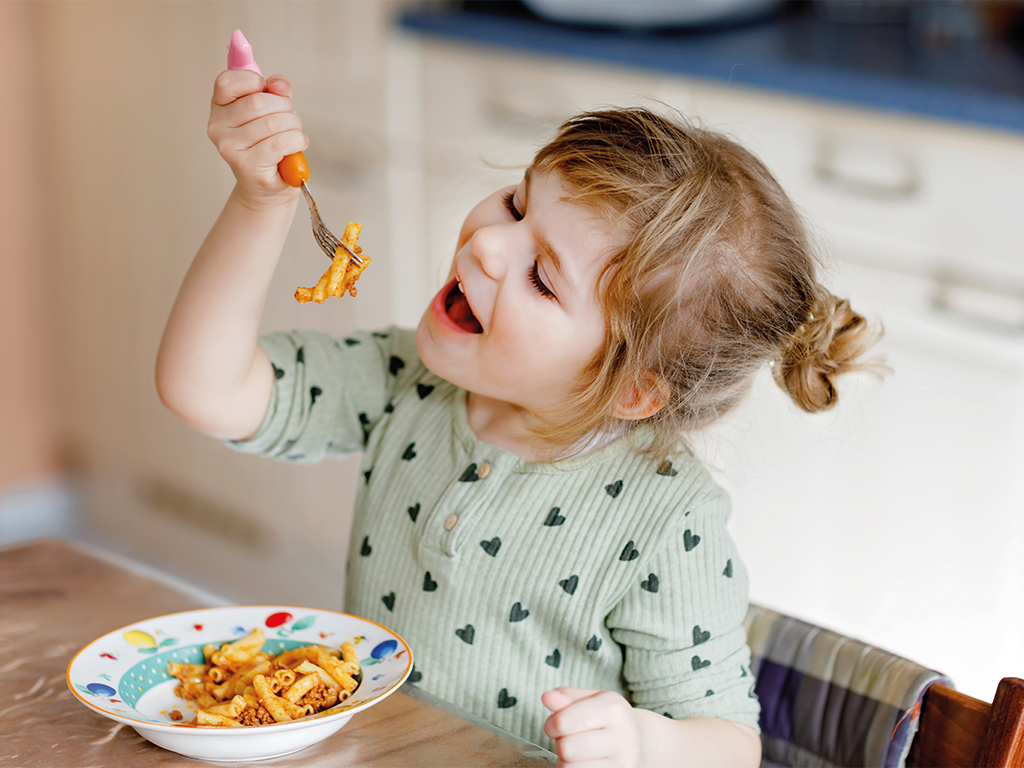
Introducing children to diverse flavors in the context of a positive mealtime environment can significantly impact their willingness to try new foods. A relaxed setting, where meals are viewed as enjoyable shared experiences, encourages openness to variety. Children often model their eating habits on those of their caregivers, so showing pleasure in tasting different foods can spark curiosity and reduce resistance to unfamiliar dishes. Emphasizing the fun and joy in tasting rather than focusing on coercion or pressure can make a world of difference.
Involving Children in Food Preparation
A practical approach to expanding children's palates is involving them directly in food preparation. Participation not only demystifies where food comes from but also builds anticipation and excitement. Washing vegetables, mixing ingredients, or setting a beautiful table allows children to feel a sense of ownership over their meals. This involvement fosters an appreciation for food's flavors and textures. The learning experience also links food with culture, history, and health, reinforcing its value beyond just eating.
Experimenting with Diverse Flavors
To nurture adventurous eating, diversity is key. Each nutritional component of food plays a different role in overall health, and a variety ensures that children receive a balanced intake essential for growth and well-being. Introducing a spectrum of fruits, vegetables, grains, and proteins helps develop not only taste but health-conscious preferences. The strategy can include serving fruits like strawberries alongside new options such as papayas, using colorful presentations to motivate exploration without overwhelming the senses.
Making Healthy Foods Appealing
Often, presentation is as important as taste. Transforming the ordinary into the extraordinary can capture a child's imagination. Cutting vegetables into playful shapes or pairing them with tasty dips augments desirability. Familiar dishes can serve as a canvas for new flavors; mixing a hint of garlic or herbs into known favorites can gradually adjust taste perception. This subtlety allows for an expansion in dietary experience without disruptive challenges.
Creating Balance: How to Mix Nutrition with Tastiness on a Child’s Plate
Understanding the Challenge
Balancing nutrition and flavor is essential in crafting children’s meals that they not only need but also enjoy. The dynamic preferences of children, swayed by ever-changing desires and external influences, require a strategic blend of patience and creativity. Foods that lack appeal may lead to rejection, yet overemphasis on taste can sidetrack nutritional goals. Meeting the dual demands of health and enjoyment is a nuanced task for parents.
Integrating Nutrient-Rich Foods
Navigating the integration of nutrient-rich foods involves presenting essential elements like fruits, vegetables, proteins, and grains in engaging ways. Foods rich in vitamins, minerals, and fiber not only enhance physical health but also aid cognitive development. Creativity in meals can involve fun shapes or hidden vegetables in sauces, which provide a complete nutritional profile without discouraging excitement. Parents can leverage each food group’s unique offerings to create balanced, appealing plates.
Encouraging Family Involvement
Family participation firmly supports healthy eating behaviors. Guardians modeling dietary habits influence children’s openness to nutritious foods. Engaging children in cooking sessions embeds these lessons in everyday life, while creating shared experiences around meal preparation. Discussions around food preferences foster a comforting environment that encourages dietary exploration and expression. Such integrated approaches provide both nutritional education and emotional connection.
Emphasizing Practical Strategies
Successful nutritional balance stems from practical strategies that capture children’s interests. Engaging children in menu decisions gives them control and curiosity, circumventing the common pitfalls of picky eating. Offering multiple healthy choices at every meal fosters a natural inclination towards variety. Employing positive reinforcements, such as small rewards for trying new foods, reinforces beneficial eating habits and maintains a focus on balance over restriction.
Snack Attack: Healthy and Creative Ideas for On-the-Go Bites
Free and Nutritious School Meals
School programs offering nutritious snacks are crucial in shaping lifelong healthy eating habits. Options such as yogurt and sunflower seed butter sandwiches provide critical nutrients and energy. By ensuring these options are available, schools contribute to dietary diversity. The provision of wholesome snacks addresses gaps in daily nutrition, giving children consistent, balanced options throughout the school day.
Community Programs Supporting Healthy Snacking
Local community programs embed healthy snacking in children's lives by blending ease with nutrition. By offering supervised options at centers, these programs ensure accessible, balanced bites during after-school activities. Encouraging communal involvement, they stimulate healthy habits and engage children in choosing wholesome snacks, reducing reliance on less nutritious processed options.
Thoughtfully Curated Gift Baskets
Curated snack baskets for children offer thoughtful, engaging ways to present healthy options. By aligning with personal interests, these baskets transform snack time into a thoughtful gift, encouraging exploration and enjoyment. Such initiatives enhance program diversity, injecting creativity into everyday meals to turn healthy eating into an act of joy.
Tips for Creating Healthy Snacks
Introducing whole, balanced foods, portion control, and child participation fosters a culture of healthy snacking. Encouraging children to participate in snack preparation creates positive associations and makes healthy options attractive. Through consistency and creativity, these practices instill sustainable habits, providing nourishment and delight in equal measure.
Incorporating these strategies enriches children's snacking habits, instilling lifelong preferences aligned with both health and happiness.
Navigating Food Allergies: Safe and Delicious Options for Every Child
Understanding Food Allergies
Food allergies necessitate careful dietary management but can be met with a combination of medical insight and culinary creativity. Certain foods, mistakenly identified by children’s immune systems as threats, result in added complexity at mealtime. Understanding this, medical initiatives like those from SickKids offer comprehensive approaches, including clinical trials aiming to minimize allergic impacts through gradual desensitization.
Comprehensive Care at SickKids
Programs dedicated to treating food allergies through innovative methods like oral immunotherapy present safe avenues for dietary diversity. By minimizing risk and expanding dietary tolerances, these treatments nurture not only a child’s health but also offer emotional assurance to families striving for normalcy in culinary experiences. Balancing treatment advancements with everyday practicality fosters a safe and enjoyable dietary journey for children.
Public Health Initiatives
Public health initiatives emphasize education, focusing on clearer allergen labeling and the dissemination of knowledge to ensure safe food practices. By complementing medical progress with community-wide efforts, initiatives ensure that children can partake in diverse diets safely. Integrating medical innovation with practical application nourishes children's lives, creating secure avenues for dietary adventure.
Dietary Management Strategies
Managing food allergies requires nuanced dietary strategies enriched with allergen-free recipes and managing family expectations for inclusivity and safety. Such approaches consider nutritional completeness while addressing specific avoidance needs. Emphasizing education, balanced with logs and resources, these strategies mean families can confidently navigate allergen-safe culinary landscapes.
Supporting Families
Healthcare providers play a vital role in bridging the challenges families face, providing guidance and resources to make informed decisions. Facilitating open communications between caregivers, educators, and children allows tailored dietary environments that respect individual nutritional needs and supports inclusive meal practices.
Understanding and addressing food allergies in children involves integrated strategies uniting medical advancements, public health efforts, and family support, enabling children to enjoy diverse and nutritious diets.
Plant Power: Making Fruits and Vegetables Fun and Enticing
Introduction to Plant-Based Foods
Instituting ample fruits and vegetables in childhood diets is vital for establishing nutritional integrity. These food groups supply crucial nutrients that reduce disease risks and bolster overall health. While consumption is often impeded by resistance, strategic engagement can elevate desire and acceptance of plant-based foods.
Education and Awareness
Effective programs, such as Brighter Bites, utilize education to enhance intake by improving access to fresh produce and integrating nutrition lessons. By pairing practical solutions with informational empowerment, awareness initiatives successfully seed appreciation and understanding, transforming habitual patterns into active, informed choices.
Making Meals Enjoyable
Crafting meals that celebrate flavors and imaginative combinations can create enjoyable experiences around fruits and vegetables. Programs like FVRx leverage nutrition education to align health aspirations with sensory pleasure, encouraging new foods through interactive preparation. Highlighting the sensory and nutritional richness of nature’s bounty turns daily decisions into delightful encounters.
Policy Support
Policy frameworks reinforce accessibility and affordability, strengthening educational programs that resonate through communities. By promoting market access, school gardens, and diversified lunch options, policies secure consistent fresh produce availability. Such endeavor encourages acceptance and an established dietary role, supporting wider health benefits that extend beyond the immediate.
Overcoming Barriers
Barriers to fruit and vegetable incorporation vary, demanding tailored interventions that resonate with specific populations. Socioeconomic and educational disparities influence dietary norms, necessitating inclusive, sensitive strategies. By aligning efforts across educators, communities, and policy makers, access and appeal to healthy food can transcend limitations, fostering inclusive, resilient dietary habits.
Q&A
-
What are some examples of nutritious meals that can be prepared quickly?
Nutritious meals that can be prepared quickly include grilled salmon with quinoa and steamed broccoli, a chickpea and spinach stir-fry, or a turkey and avocado wrap. These meals are balanced and rich in essential nutrients, providing protein, healthy fats, and a variety of vitamins and minerals.
-
How can one incorporate low sugar foods into their diet without sacrificing taste?
To incorporate low sugar foods without sacrificing taste, focus on using natural sweeteners like honey or maple syrup in moderation, and include plenty of fresh fruits such as berries and apples. Opt for whole grain versions of bread and cereals, and use spices like cinnamon and vanilla to enhance flavor without added sugar.
-
What are some common food allergies and how can they be managed in a balanced diet?
Common food allergies include those to peanuts, tree nuts, dairy, shellfish, and gluten. Managing these in a balanced diet involves careful label reading, substituting allergenic foods with safe alternatives (such as almond milk for dairy), and ensuring a variety of nutrient sources to maintain nutritional adequacy.
-
What are some healthy snack options for maintaining energy levels throughout the day?
Healthy snacks that maintain energy levels include a mix of nuts and seeds, Greek yogurt with fruit, vegetable sticks with hummus, or whole grain crackers with cheese. These snacks provide a balance of carbohydrates, protein, and healthy fats, which help sustain energy.
-
Why is it important to include a variety of fruits and vegetables in a balanced diet?
Including a variety of fruits and vegetables in a balanced diet is important because they provide essential vitamins, minerals, and fiber that support overall health. Each type of fruit and vegetable offers unique benefits, such as antioxidants in berries or vitamin C in citrus fruits, making variety key to a well-rounded nutritional intake.