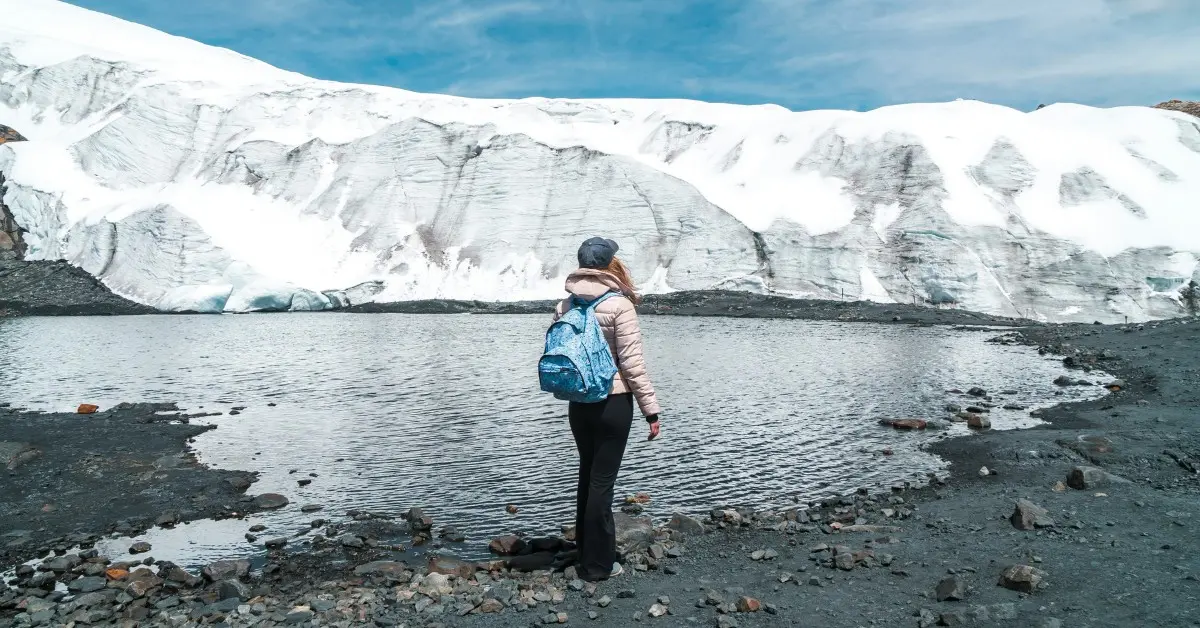
Witnessing Wonders: Considerations for Visiting with Integrity
Understanding Last-Chance Tourism
Last-chance tourism involves visiting destinations at risk of disappearing due to natural changes or human impact. This travel choice has become increasingly popular as people seek to experience these unique places before they are altered or lost forever. While the desire to witness such wonders is understandable, it raises ethical questions about how touristic activities might accelerate the decline of these very sites.
Acknowledging the vulnerability of these destinations is crucial. The ethical approach includes obtaining informed consent from local communities and respecting their autonomy. Visitors must avoid turning these sites into mere commodities, recognizing the cultural and environmental significance they hold. For example, visiting the Great Barrier Reef should be done with awareness of its bleaching issues, and any engagement with Indigenous communities, such as the Inuit in Arctic regions, must be marked by profound respect and understanding.
Environmental Degradation and Cultural Erosion
Tourism can unintentionally contribute to environmental degradation and cultural erosion, leading to a cycle of damage that threatens both natural ecosystems and cultural traditions. Increased foot traffic and tourism infrastructure can degrade fragile ecosystems, while the rush to profit from cultural sites can dilute their historical significance.
The commodification of cultural heritage, where sites are transformed into tourist attractions, often results in the loss of traditional practices and knowledge. This can further marginalize communities already impacted by social and economic inequalities. Thus, it is essential to prioritize the voices and needs of these local groups in tourism planning, fostering initiatives that ensure their cultural and economic well-being.
Vulnerable Communities and Indigenous Knowledge
Indigenous and local communities often hold deep-seated knowledge and spiritual connections to their land. Unfortunately, these communities are also among the most vulnerable to the pressures of last-chance tourism. The influx of tourists can exacerbate challenges like poverty and displacement, stressing the need for tourism models that are inclusive and equitable.
Incorporating Indigenous perspectives and knowledge into tourism can lead to more sustainable outcomes. Community-led conservation funding, where tourism profits are reinvested into local projects, ensures that benefits are shared directly with those most affected. Collaborative approaches, which empower local stakeholders to participate in tourism decision-making, can preserve cultural practices and enhance community resilience.
Treading Lightly: Strategies to Minimize Visitor Impact
Limiting Visitor Numbers and Preserving Ecosystems
One of the effective strategies for minimizing the impact of last-chance tourism is implementing controlled access to popular sites through permits or quotas. This approach not only reduces the strain on infrastructure but also helps protect vulnerable ecosystems from being overwhelmed.
For instance, in the Galápagos Islands, visitor numbers are managed carefully to prevent ecological damage, employing boardwalks to prevent soil erosion. Similarly, in coastal wetlands, designated walkways guide tourists while safeguarding the landscape. By adopting these measures, destinations can uphold 'leave no trace' principles, ensuring that nature is respected and preserved for future generations.
Supporting Local Economies with Mindful Choices
Conscious travel involves supporting local economies by choosing accommodations and services that are environmentally friendly and locally owned. Tourists can play a vital role by staying at family-run lodgings and dining at local eateries, thus directly contributing to community welfare.
Additionally, engaging with local culture through responsible storytelling can build meaningful connections. Educating oneself about cultural etiquette and participating respectfully in local activities fosters mutual respect and understanding. This approach strengthens community ties and enhances the travel experience, making it enriching for both visitors and hosts.
Encouraging Scientific Contributions and Volunteerism
Travelers interested in having a positive impact can engage in citizen science projects or volunteer their time to local conservation efforts. These opportunities not only help gather valuable data on biodiversity and climate impact but also allow tourists to contribute actively to preservation efforts.
Programs such as coral reef monitoring and wildlife counting, led by local NGOs, enable visitors to support scientifically valuable work. By sharing this data responsibly with research institutions, tourists help inform and advance conservation strategies. This participatory approach benefits both the traveler and the environment, fostering a culture of shared responsibility.
Responsible Narratives and Photography: Preserving Endangered Sites with Integrity
Ethical Storytelling and Community Respect
When sharing experiences from climate-threatened destinations, it's imperative to craft narratives that convey respect for the local culture and environment. Avoid sensationalizing or exploiting the challenges faced by these communities. Instead, focus on their resilience and innovative solutions to adapt to changing conditions.
Emphasizing local voices in these stories deepens understanding and respect among readers, highlighting the human element behind environmental issues. This approach encourages empathy, allowing the global audience to relate to the challenges and triumphs of these communities, fostering a sense of shared stewardship for our planet.
Capturing Images with Sensitivity
Photography can significantly influence perceptions of endangered sites. Ethical photography practices involve seeking permission before capturing images of individuals, particularly in sensitive cultural settings like Indigenous communities or sacred spaces. Photographers should strive to represent these locales truthfully, avoiding alterations that detract from their natural beauty.
Furthermore, promoting cultural understanding through respectful imagery helps bridge cultural divides. Photos that honor the dignity and uniqueness of the people and places captured can inspire appreciation and cultural exchange, reinforcing the importance of preserving both cultural and natural heritage.
Media's Role in Promoting Sustainable Practices
Media outlets and content creators hold significant power in shaping public discourse around last-chance tourism. By highlighting examples of successful conservation initiatives and sustainable practices, they can influence broader audiences to adopt similar measures in their travels.
By fostering informed conversations and showcasing positive, actionable examples, the media can encourage travelers to participate in conservation efforts. This strategy not only supports the protection of endangered sites but also nurtures a growing movement toward responsible and impactful travel.
Capturing Reality: Ethical Photography in Fragile Destinations
Importance of Transparent Practices
Ethical photography in sensitive areas requires transparency and inclusivity. Ensuring that the narratives shared through images are genuine and respectfully depict the real situations on the ground is critical. This helps in building trust and promoting a truthful representation of the challenges these places face.
Photographers should adopt transparent practices, engaging with communities to ensure their voices and stories are accurately portrayed. This can be achieved by collaborating with local photographers or community representatives who can provide insights into local customs and perspectives.
Utilizing Digital Tools for Awareness
Digital tools, like interactive maps and virtual reality tours, offer innovative ways to educate and engage global audiences about the plight of fragile destinations. These tools provide informative and immersive experiences that raise awareness without the pitfalls of direct physical impact.
Social media campaigns that focus on ethical and responsible photographic practices can spread messages of conservation far and wide. By combining compelling visuals with educational content, we can inspire more environmentally conscious behaviors among travelers.
Community Empowerment through Participation
Participatory approaches in photography involve collaborating with local communities, giving them agency in how their stories are told. By including community narratives, photographers can document an accurate portrayal of life in these regions, fostering a sense of ownership and pride among locals.
Empowering residents to share their insights and experiences results in richer narratives that highlight the complexities and beauty of these regions. This method not only creates more meaningful content but also strengthens the bond between tourists and host communities, encouraging cultural exchange and understanding.
Avoiding Exploitation and Respecting Dignity
Central to ethical photography is the commitment to avoiding exploitation and respecting the dignity of subjects. Photographers have a responsibility to capture images that honor the humanity of individuals and the integrity of the environment.
By ensuring that subjects are comfortable and consenting, and by avoiding sensationalism, photographers can create respectful portrayals that contribute positively to the wider conversation on preserving endangered sites. This thoughtful approach to photography ensures that the stories shared contribute to a more compassionate and informed understanding of our world.
Through responsible engagement, travelers and photographers alike can leave a positive impact on the places they visit, preserving the integrity and essence of endangered destinations for future generations.
Q&A
-
What are Climate-Threatened Site Visits and why are they important?
Climate-Threatened Site Visits refer to trips or tours to natural or cultural sites that are at risk due to climate change. These visits are important as they raise awareness about the impacts of climate change on these sites and encourage conservation efforts. They also provide opportunities for visitors to witness firsthand the effects of climate change, fostering a deeper understanding and commitment to environmental stewardship.
-
How can visitor impact mitigation be effectively implemented at sensitive sites?
Visitor impact mitigation can be implemented through several strategies, such as limiting the number of visitors, providing educational programs about the site's ecological significance, and establishing clear guidelines for behavior. Infrastructure improvements, like designated pathways and viewing platforms, can also help protect sensitive areas from damage. Engaging visitors in conservation activities can further enhance their understanding and commitment to preserving these sites.
-
What opportunities exist for scientific contributions during visits to climate-threatened sites?
Scientific contribution opportunities during these visits include participating in citizen science projects, where visitors can assist researchers by collecting data on local wildlife, weather patterns, or environmental changes. Additionally, visitors can support scientific studies by funding research initiatives or volunteering their time and expertise in conservation projects, thereby playing a direct role in the preservation and study of threatened sites.
-
What are responsible storytelling methods in the context of climate-threatened site visits?
Responsible storytelling involves sharing accurate, respectful, and culturally sensitive narratives about climate-threatened sites. This includes highlighting the challenges these sites face due to climate change while respecting the local communities and their heritage. Storytellers should aim to inspire action and awareness without sensationalizing or misrepresenting the facts, ensuring that the message conveyed leads to positive conservation outcomes.
-
How can community-led conservation funding be supported during site visits?
Visitors can support community-led conservation funding by purchasing local products and services, which contribute to the local economy and conservation initiatives. Donations to community-managed conservation projects or participating in programs where a portion of the proceeds goes to local conservation efforts are also effective ways to provide financial support. Engaging with local communities to understand their conservation needs and priorities can further enhance the impact of funding.
-
What are ethical photography guidelines for visitors to climate-threatened sites?
Ethical photography guidelines for such sites include respecting wildlife and natural habitats by maintaining a safe distance and not disturbing the environment. Photographers should seek permission before photographing people, especially in local communities, and avoid sharing images that could misrepresent the site or its condition. Additionally, promoting the conservation message through images and captions can help raise awareness and encourage responsible tourism.