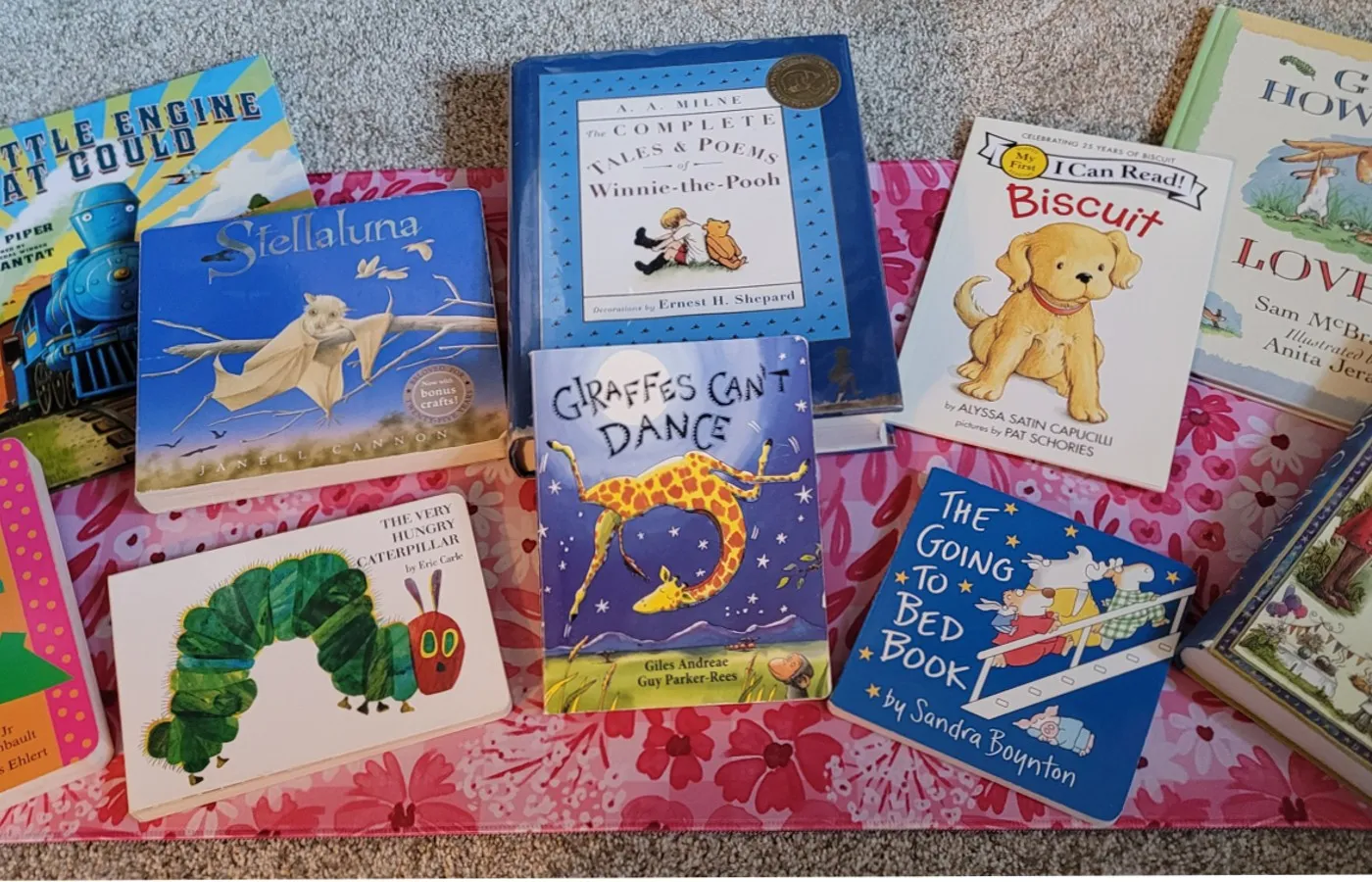
Jumping Into Fantasy: How Stories Shape Young Imaginations
Exploring fantastical worlds has always been a key part of childhood, sparking creativity and expanding horizons. These stories, rich with magical beings and brave quests, not only entertain but offer essential life lessons.
Sparking Creativity and Imagination
Entering these imaginative worlds encourages children to look beyond the mundane and embrace creativity. Stories of magical creatures and fantasy lands allow children to explore endless possibilities, igniting their imaginations. For instance, many tales transport readers to distant realms where they learn about empathy and courage. The vivid imagery in these narratives allows kids to visualize stories in unique ways, fostering their creativity and understanding.
Building Character Through Moral Narratives
Beyond creativity, these tales often carry deeper meanings. They frequently contain elements that teach lessons about values such as honesty, kindness, and perseverance. Characters in these tales often face moral dilemmas that mirror real-life situations, providing young readers with frameworks to understand the importance of ethical behavior. By witnessing characters triumphing over challenges, children are inspired to adopt these values.
Emotional Resonance and Personal Growth
Stories often feature characters dealing with universal emotions such as fear, loneliness, or friendship. This emotional journey aids children in processing their own feelings and developing empathy. For example, narratives involving bravery and understanding can foster emotional growth, allowing children a space to safely explore their emotions alongside characters.
Transformative Modern Adaptations
The resurgence of classic tales through modern media forms like podcasts and films has captivated new generations. These adaptations breathe fresh life into traditional narratives, making them accessible through immersive storytelling experiences. From elaborate soundscapes to stunning visuals, these formats enhance the enchanting world of children's literature, extending its reach.
Integrating these insights, the role of fairy tales extends beyond mere storytelling—they are educational tools that help shape moral compasses, instil creativity, and foster emotional intelligence in young minds.
Charming Creatures: Animal Tales That Teach and Delight
Animal-based stories hold a special place in children's literature, combining whimsy with education. Through the lens of charming creatures, these tales impart crucial life lessons.
Engaging Empathy and Social Skills
Animal stories often feature relatable characters facing familiar challenges, allowing children to engage with emotions and social dynamics effectively. Through the lives of woodland creatures or jungle dwellers, children learn about empathy, cooperation, and the importance of community. Iconic tales like those of certain insects teach patience and resilience, echoing important values.
Environmental Awareness Through Storytelling
Beyond social learning, these tales often incorporate environmental themes, encouraging a sense of stewardship and responsibility. Stories about animals thriving in their natural habitats highlight the interconnections within ecosystems, fostering awareness and appreciation for nature. Children come away with a nuanced understanding of environmental conservation.
Enhancing Educational Experiences
Animal stories often interweave educational content, transforming reading into a dynamic learning journey. Through engaging narratives, children learn scientific concepts, vocabulary, and more. The storytelling format allows for the natural integration of facts, providing a foundational understanding of various subjects, such as biology or geography.
Educational Adventures: Interactive Learning Through Literature
Children's literature uniquely bridges the gap between entertainment and education, turning the act of reading into an engaging learning process.
Libraries as Interactive Learning Arenas
Shifting from traditional topic-focused libraries to genre-oriented ones has opened new avenues for exploration. Organized by themes and reading levels, these libraries provide a richer educational environment, enhancing literacy and sparking curiosity. This approach encourages independent exploration, allowing children to delve into subjects that capture their interest.
Phonics as a Foundational Tool
Successful reading interventions often rely on phonics, laying the groundwork for improved literacy. Tailored reading materials like age-appropriate books cater to specific learning needs, effectively bridging the gap for struggling readers. These resources respect the individual education journey, empowering students while involving their families in the learning process.
Personalized Reading Adventures
Customizable books offer significant benefits by linking narratives directly to a child's personal experience. Such stories build confidence and emotional intelligence, using familiar images and tales to affirm identity and worldview. Personalized content leads to stronger engagement, fostering a love for reading and learning.
Encouraging Lifelong Learning Through Non-Fiction
Non-fiction literature introduces young readers to complex concepts in digestible formats, catering to hungry minds eager to learn. These works often include interactive components, encouraging children to explore science, history, and culture deeply. As children grasp these ideas, they build a foundation for comprehension and critical thinking that supports lifelong learning.
Children's literature, therefore, functions as a dynamic educational tool, encouraging growth, curiosity, and a deep-seated love for discovery.
Timeless Classics: Stories That Resonate Across Generations
Timeless stories continue to enchant children, their relevance sustained through universal themes and richly crafted narratives.
Enduring Appeal of Classic Narratives
Classic tales capture the imagination with narrative structures that celebrate virtues like bravery and integrity. Books from "Anne of Green Gables" to the adventures in Oz enchant children with their timeless themes. These stories' lasting appeal lies in their ability to speak to shared human experiences, resonating with each new generation.
Nurturing Young Minds with Memorable Characters
Audio storytelling platforms breathe new life into these classics, transforming them into interactive experiences. Rich narration combined with expressive audio elements makes these tales come alive, bringing timeless lessons to today’s young audiences. Such adaptations ensure these stories maintain their influence, nurturing imagination and moral values.
The Role of Illustrated Adaptations in Preserving Classics
Illustrated classic readers make these narratives accessible to modern audiences, enriching the original tales with visual elements. These adaptations allow young learners to connect with traditional stories in meaningful ways, preserving their place in the cultural landscape while offering educational engagement.
Picture This: The Power of Visual Storytelling in Children's Literature
Illustrations are not merely decorative; they play a critical role in storytelling, enhancing children's understanding and engagement with written content.
Enhancing Emotional Connection with Illustrations
Books rich in illustrations, like whimsical sketches of beloved adventures, help convey emotions and themes effectively. Kids relate to visual cues, which fosters empathy and self-awareness. These stories connect young readers to deeper themes, promoting emotional growth alongside entertainment.
Utilizing Illustrations for Educational Gain
Incorporating illustrations into educational content transforms complex ideas into digestible formats, aiding comprehension. By bridging text and visuals, children's books enhance literacy and cognitive abilities uniquely, providing contexts that stimulate curiosity and learning.
Personalized Illustrations for Individualized Impact
Customized books with illustrations tailored to a child's personality increase engagement levels, turning reading into a personalized experience. This method enhances memory and connection, making educational interactions more meaningful and enjoyable.
Read-Aloud Sessions: Bringing Visuals to Life
Shared reading experiences further benefit from illustrated texts, as they enhance narrative comprehension and retention. Engaging with children through picture books encourages language development and critical thinking, fostering a lifelong love for reading.
Visual storytelling in books for children serves as a powerful educational medium, linking literacy with imagination and emotional engagement.
The Building Blocks of Discovery: Literature as a Learning Tool
Children's literature offers a rich tapestry of opportunities for growth, blending narrative with educational opportunities that facilitate both cognitive and personal development.
Encouraging Multidimensional Thinking
Narratives presented in these stories prompt children to consider problems from various perspectives, encouraging comprehensive and thoughtful analysis. Fairy tales and classic stories often challenge young minds with moral dilemmas and social contexts, fostering critical and creative thinking.
The Interplay Between Storytelling and Technology
The integration of literature with digital tools expands the ways children can interact with stories, making them more engaging. Interactive elements like multimedia and quizzes encourage active participation, promoting both visual storytelling and digital literacy.
Reflection and Cognitive Development
Silent reflection facilitated by literature provides space for internal growth, allowing students to process narratives at their own pace. Guided discussions or questions inspire deep thought, weaving emotional and intellectual development together seamlessly.
Language and Literacy Enrichment Through Stories
Exposure to diverse language structures and vocabularies within children's books nurtures better reading and interpretation skills. Audiobooks and interactive story apps incorporate auditory and visual elements, creating a multisensory learning experience that strengthens language acquisition.
Cultivating Cultural Awareness Through Diverse Narratives
Zines and multicultural literature expose children to various perspectives, broadening their worldview and encouraging inclusivity. These resources build cultural sensitivity and critical consciousness, supporting deeper social learning.
Children's literature remains a cornerstone of education, offering a multidimensional approach to learning that inspires young imaginations while fostering skills crucial for personal and academic success. Through these stories, the door to discovery remains ever-open, inviting each child into a world of endless possibility.
Q&A
-
What are the benefits of introducing picture books to young children?
Picture books are crucial for early childhood development. They help improve vocabulary and language skills by associating words with images. Additionally, picture books stimulate imagination and creativity, and they can also aid in developing emotional intelligence by allowing children to explore different emotions and situations through characters and stories.
-
How do fairy tales contribute to a child's understanding of moral lessons?
Fairy tales often contain clear moral messages and can serve as a valuable tool for teaching children about right and wrong. The characters and their journeys typically present challenges that require ethical decision-making, providing children with examples of virtues such as honesty, bravery, and kindness.
-
Why are animal books popular among children, and how do they aid in education?
Animal books captivate children with their engaging stories and relatable characters, often based on real or anthropomorphized animals. These books can teach children about different species, habitats, and behaviors, fostering an appreciation for nature and wildlife. They also promote empathy by helping children understand the perspectives and emotions of animals.
-
What distinguishes classic books from other types of children's literature?
Classic books are often characterized by timeless themes, rich language, and universal appeal. They have stood the test of time and are appreciated across generations for their ability to resonate with readers of all ages. These books typically offer complex narratives and deep insights, making them suitable for both educational purposes and entertainment.
-
In what ways do learning books and educational literature support a child's development?
Learning books and educational literature are specifically designed to enhance a child's knowledge and cognitive skills. They cover a wide range of topics, from basic concepts like numbers and letters to more advanced subjects such as science and history. These books encourage critical thinking, curiosity, and a lifelong love of learning by presenting information in an engaging and accessible manner.