Nature-Inspired Movements
Exploring nature's designs provides profound insights into developing machines that are flexible and adaptive. By emulating the fluidity found in the animal kingdom, engineers are creating unyielding advances in robotics that challenge traditional paradigms.
The Elegance of Aquatic Propulsion
Marine life, particularly creatures like the manta ray, exemplifies fluid and efficient motion in water. Unlike traditional, mechanical systems driven by clunky propellers, these creatures employ graceful undulations of their massive fins to glide silently. This form of movement is not only visually graceful but energetically efficient, allowing them to travel long distances with minimal effort. In translating this into robotics, scientists have adopted soft materials that enable similar fluid motion. These materials deform under force but return to their original shape, propelling the robot forward in a continuous, smooth glide. The advantage of such "soft swimmers" in delicate underwater environments is pronounced. They do not create the disruptive noise or turbulence associated with traditional underwater vehicles, making them ideal for monitoring marine wildlife or performing environmental surveys without disturbing the ecosystem.
Embedded sensors in these soft structures also play a crucial role. Inspired by the sensory capabilities of fish, they enable the robot to detect changes in water pressure and respond dynamically. This "embodied sensing" allows the robotic swimmer to adjust its movements automatically, optimizing energy use and improving maneuverability. Such innovations highlight a significant leap in underwater robotics, promising tools that can explore and protect our oceans more effectively.
Intrinsic Safety and Adaptability
A core advantage of soft robotics lies in its safety and adaptability. Unlike traditional machines, which pose significant safety risks, soft systems inherently reduce harm by absorbing impacts and adapting to their surroundings.
Compliant Systems in Human-Machine Interaction
When designing robots that operate alongside or even integrate with humans, safety is paramount. Traditional robots, built with rigid materials, can be dangerous in shared spaces due to their unyielding force and lack of sensitivity. In contrast, soft robots are created from materials that more closely mimic the elasticity of human muscles and skin. This compliance means they naturally absorb impacts, reducing the likelihood of injury in the event of unexpected contact.
Today's research initiatives prioritize creating robots that are safe to work alongside humans—whether in industrial settings, daily domestic tasks, or even as prosthetics that merge seamlessly with the body. Key to this is the use of materials that allow devices to deform upon encountering unexpected obstacles, absorbing shocks instead of transmitting them. This adaptability is crucial in diverse scenarios, such as reaching through confined spaces during search and rescue missions or assisting in precise medical procedures where gentle interaction is required. By ensuring that force application is adaptive and gentle, these robots can handle delicate tasks, from caring for fragile objects to interacting closely with humans, without causing harm.
Educational Pathways in Soft Robotics
The field of soft robotics isn't just for researchers—educational platforms increasingly leverage it to inspire and educate future generations of engineers by revealing the profound interaction between biology and mechanics.
Hands-On Learning in Bio-Inspired Engineering
Bio-inspired robotics serves as an engaging educational tool, bridging the gap between the abstract concepts of mechanical engineering and the tangible realities of biology. Workshops and curricula focusing on this field invite students to build and manipulate models that mimic natural movements, such as the crawling of a worm or the grasp of a claw. Such exercises impart a nuanced understanding of forces and material behavior that mere computer simulations cannot. Through this practical involvement, students grasp the complexities of designing systems where movement is governed not only by command codes but by the inherent properties of the materials involved.
Morphological computation—a concept where the physical structure computes motion—is another key learning area. By understanding how the body's design influences movement, students learn to design systems where the brain and body are not separate but interdependent. This holistic approach nurtures creative thinkers who can look beyond traditional engineering solutions, viewing natural phenomena as inspirations for innovative designs in robotics and beyond.
Adaptive Learning for Institutions
As the soft robotics field expands, educational programs must evolve to prepare a workforce capable of tapping into its potential. Courses combining mechanical engineering with material sciences, biology, and computing offer a multidisciplinary approach to robot design and application. Such programs emphasize the importance of materials that stretch and bend while retaining functionality, teaching students to evaluate trade-offs between flexibility, durability, and control precision.
Institutions investing in such curricula ensure that their graduates are at the forefront of robotics innovation, generating the next wave of technology poised to redefine how machines interact with our world. This hands-on exposure not only empowers students but fuels the soft robotics industry by generating fresh ideas and solutions tailored to human-centric environments.
Adapting to Unstructured Environments
The natural world's unpredictability demands robots that can navigate, adapt, and succeed where traditional machines falter. This section delves into the innovative solutions driving this adaptability.
Machine Learning and Material Science
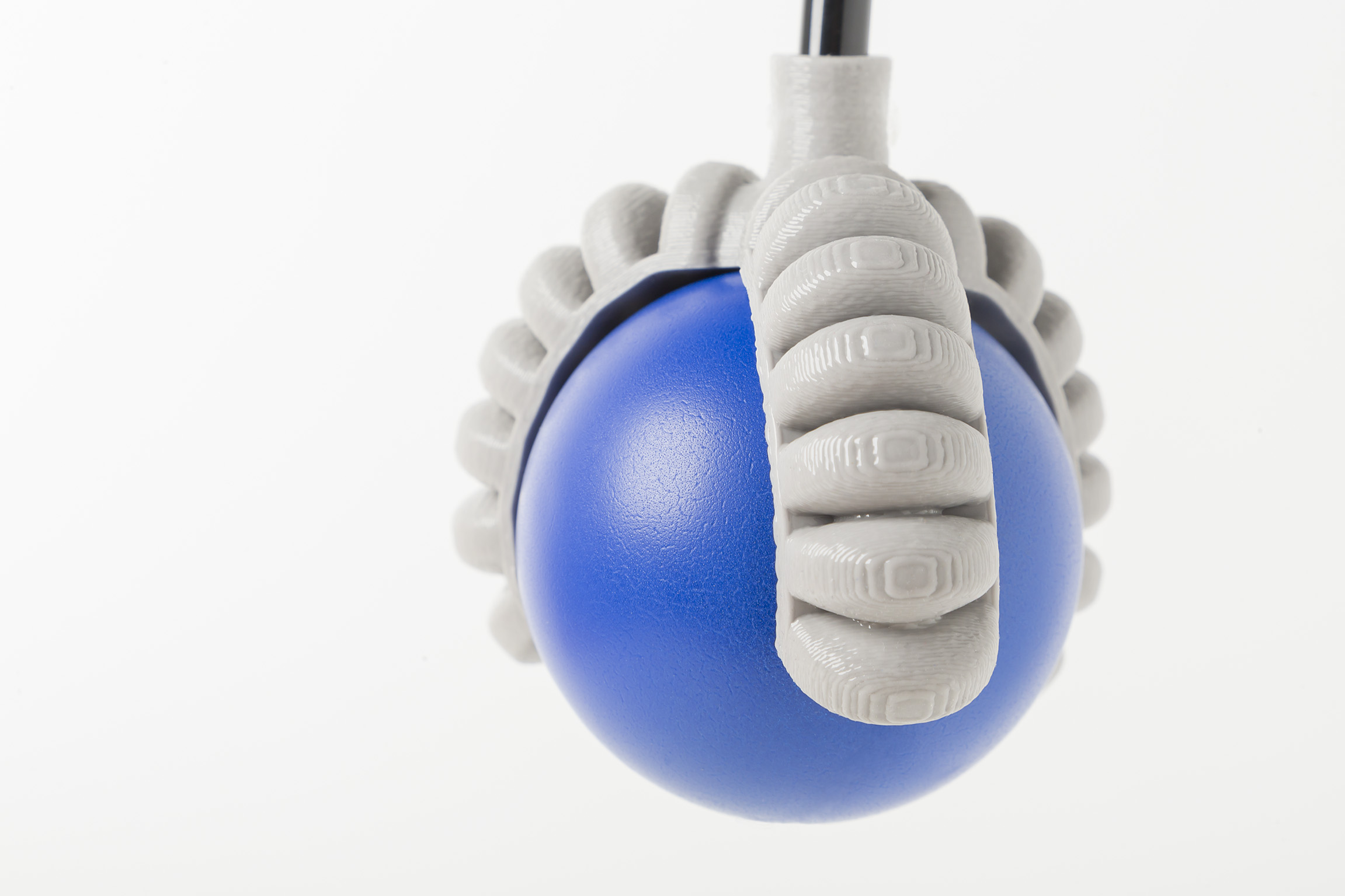
Flexible robotics benefit from advancements in machine learning and material science, enabling systems to learn, adapt, and change form in response to environmental stimuli. Researchers are developing materials that stiffen or soften based on external cues, revolutionizing adaptive systems' behavior. Imagine a soft gripper tasked with handling objects of various shapes and sizes. It doesn't need pre-determined calculations to function. Instead, the gripper adapts its form, enveloping the object to maintain a secure grip without applying undue force.
In the broader context, this transformation is supported by models that simulate how organisms react to environmental changes. From squeezing through tight spaces in disaster situations to handling slippery surfaces, these robots embody adaptability. Such innovations hold the promise of applications across industries, from manufacturing plants to healthcare facilities, where traditional machines often struggle. By drawing inspiration from the animal kingdom's adaptability, soft robots embrace environments as they are, rather than imposing rigid constraints upon them.
The journey of soft robotics marries the elegance of biology with the precision of engineering, promising a future where machines merge seamlessly into the ecosystems they inhabit. The shift from rigid to adaptive systems is more than a technological revolution; it is a philosophical realignment, prioritizing harmony over control, flexibility over force, and innovation over tradition. The applications span diverse fields, each benefiting from robots that are both a part of and an enhancement to our organic world.
Q&A
-
What are flexible robots, and how do they differ from traditional rigid robots?
Flexible robots are designed to mimic the adaptability and resilience of biological organisms, allowing them to bend, stretch, and twist in ways that rigid robots cannot. Unlike traditional robots, which are often made of hard materials and have fixed joints, flexible robots use soft materials and innovative design principles, such as compliant mechanisms and soft actuators, to achieve more fluid and dynamic movements. This flexibility allows them to operate in complex environments and interact safely with humans and delicate objects.
-
How do soft actuators contribute to the development of bio-inspired robotics?
Soft actuators are essential components in bio-inspired robotics, as they enable robots to replicate the smooth and organic movements found in nature. These actuators, often made from materials like silicone or hydrogels, can expand, contract, or bend in response to stimuli such as heat, light, or electrical signals. This capability allows bio-inspired robots to perform tasks with a level of dexterity and sensitivity similar to living organisms, making them ideal for applications in healthcare, search and rescue, and service industries.
-
What are the advantages of using shape-changing materials in robotic prosthetics?
Shape-changing materials, such as shape-memory alloys and polymers, offer significant advantages in the development of robotic prosthetics. These materials can remember and return to a predefined shape when exposed to specific stimuli, allowing prosthetics to adapt to different tasks and environments dynamically. This adaptability enhances the functionality and comfort of prosthetic devices, providing users with more natural and intuitive control over their artificial limbs and improving their quality of life.
-
In what ways do soft robot grippers improve the handling of delicate objects?
Soft robot grippers are designed to handle delicate objects without causing damage, making them ideal for tasks in agriculture, food processing, and manufacturing. These grippers use compliant and soft materials that conform to the shape of the object being grasped, distributing pressure evenly and reducing the risk of breakage. Additionally, their ability to adapt to various shapes and sizes increases their versatility, allowing them to handle a wide range of items with precision and care.
-
How is the field of bio-inspired robotics influencing the future of robotic technologies?
Bio-inspired robotics is pushing the boundaries of what robots can achieve by drawing inspiration from the natural world. This approach leads to the development of robots that are more adaptable, efficient, and capable of complex behaviors. By incorporating principles from biology, such as flexibility, self-healing, and energy efficiency, bio-inspired robotics is paving the way for new applications in fields like medicine, environmental monitoring, and autonomous exploration. This influence is expected to lead to more advanced, sustainable, and human-friendly robotic systems in the future.