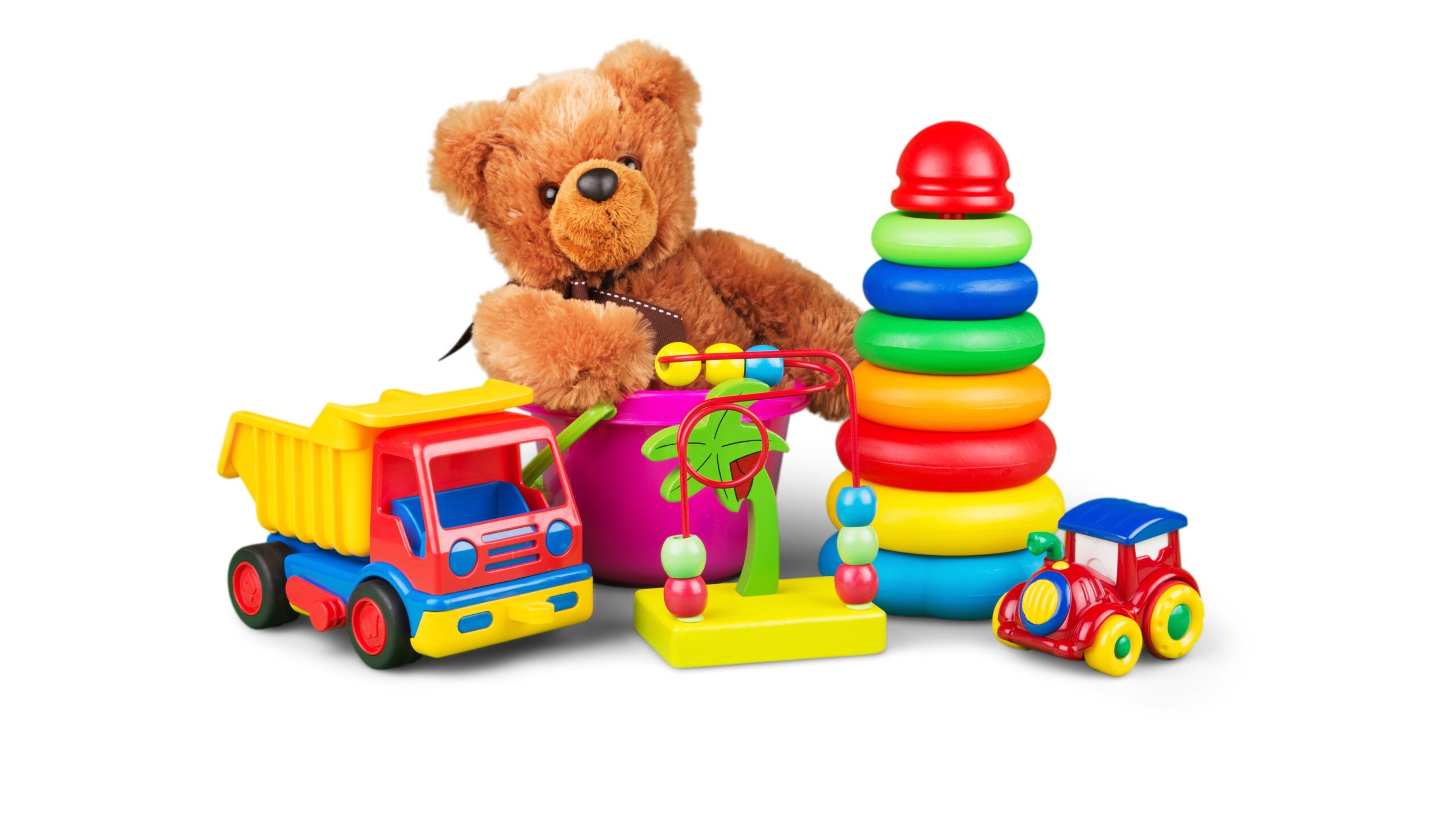
Unboxing Adventure: Discover the Thrills Hidden in Toy Packages
Unboxing has become an integral part of the modern toy experience, offering excitement and stimulating a child’s curiosity. The anticipation of what's inside a new toy package can be as thrilling as playing with the toy itself.
The Thrill of Discovery
For children, the unwrapping of a toy package presents an element of surprise and adventure. This action of discovery is not merely about revealing a toy, but it creates a playful pause where imagination first blooms. It's a shared experience in many households, often involving parents and siblings, heightening the moment's shared joy and excitement. This collective eagerness often drives enthusiastic discussions about what might be contained within the package, turning it into a quest filled with possibilities. Each layer of packaging contributes to the buildup, transforming every box or wrapping into the first step of a new journey.
Incorporating multiple components or action figures in a package, like those seen in popular action-figure sets, enhances tactile engagement. Children not only draw enjoyment from the act of building or assembling these elements but also creatively engage by crafting stories and scenarios. Such toys often feature intricate details that invite further exploration and roleplay. This exploratory process reinforces sustained attention and a desire for creative storytelling, foundational skills that grow with the child.
Building Stories Through Packaging
Toy packaging itself often serves as a portal to new imaginary worlds. Manufacturers incorporate elaborate and thematic designs aligned with the toy's character or storyline, effectively making the box an extension of the toy itself. For instance, superhero sets or fantasy-themed toys embed vibrant imagery on their packaging, inviting children to speculate stories even before the toy is fully visible. This immersive introduction is not just a tease; it roots the toy within a broader narrative context that children are eager to unravel.
The practice of coupling toys with collectible packaging or supplementary media—like AR elements or digital apps—invites further exploration. Some boxes include interactive designs that children can touch, feel, or alter, offering a multi-sensory intake right from the start. Interactive elements can range from simple textures and colors to tactile or digital features that connect with smartphones and tablets, transforming passive observation into active participation.
Innovative Imagination: How Modern Toys Fuel Creativity
Modern playthings push the boundaries of creativity and curiosity, encompassing amazing stories, sustainable practices, and cutting-edge technology.
Engaging Through Creative Play
Modern toys that encourage creativity go beyond conventional play. They are carefully designed to spark imagination and broaden horizons, urging children to explore limitless possibilities of cognitive flexibility. Such toys, including eco-friendly gadgets or action figures powered by renewable energy, serve as entry points for young inventors and thinkers. These innovations facilitate the understanding of real-world principles while nurturing problem-solving abilities.
For instance, solar-powered cars or kinetic toys illustrate the principles of renewable energy through play, teaching vital lessons about science and sustainability. By experimenting with these toys, children learn the basics of energy efficiency and the significant role of alternative energy sources in our lives. The experience of playing with such toys fuels divergent thinking and arouses a sense of responsibility towards the environment.
Eco-Friendly and Culturally Rich Toys
The toy industry is increasingly focusing on sustainability. Eco-friendly toys, often biodegradable or made from recycled materials, introduce children to essential lessons in environmental stewardship. Meanwhile, culturally enriched toys—like those exploring historical or global themes—expand children’s understanding of the world, fostering inclusion and diversity.
Sustainable toys encourage the concept of responsible usage, teaching children mindfulness towards waste. Similarly, toys depicting various cultures can teach children about global diversity, promoting tolerance and understanding. By engaging with these toys, children develop a global mindset and an appreciation for different perspectives, which are crucial for building empathy and respect.
This kind of hands-on play not only integrates fun with learning but also enhances cognitive skills such as focus, creativity, and adaptability. By using toys that are environmentally sensitive and culturally diverse, children gain a broader sense of the world they inhabit, preparing them for future global citizenship.
The Science Behind Play: Educational Benefits of Modern Toys
Toys designed to educate and entertain can have immense benefits on cognitive and emotional development, fostering a lifelong love for learning.
Enhancing Cognitive Skills
Many modern toys incorporate elements that enhance cognitive skills through interactive play. For example, building blocks or puzzle toys require children to engage in critical thinking and spatial reasoning. These toys develop analytical skills, as children arrange and rearrange pieces, envisioning the final image. The challenge of identifying patterns and organizing structures based on logic enhances problem-solving capabilities, essential in various learning environments.
Playing with educational toys often improves memory retention as children recall specific shapes, colors, or sequences. The consistent practice of these skills contributes to stronger neural connections, essential in the learning process. By simulating real-world scenarios, these toys encourage reasoning and logic, laying the groundwork for academic success in subjects that rely heavily on critical thinking skills.
Facilitating Social and Emotional Growth
The social aspects of play are also essential in nurturing emotional intelligence. Toys designed for collaborative play, like group games or role-playing scenarios, help children practice empathy and build communication skills. When children negotiate roles or share resources, they learn cooperation, patience, and understanding differing perspectives.
Role-playing activities with dolls or action figures allow children to express various emotions within safe boundaries, which aids in emotion regulation. This emotional exploration helps children to articulate feelings and understand the impact of their actions on others, promoting emotional intelligence and empathy. Through both solitary and group play, children navigate emotional landscapes in a supportive and creative environment.
From Dinosaurs to Robots: The Evolution of Animal and Electronic Toys
Toys representing animals and technological advancements have undergone tremendous transformation, becoming not just tools of play but gateways to imaginative worlds and educational opportunities.
Captivating Dinosaur and Animal Toys
Dinosaurs have always captured the imagination of children. With their impressive size and mystique, these creatures continue to inspire toys that are both entertaining and educational. This theme parks curiosity, inviting children to explore paleontology or natural history through hands-on engagement.
Recent developments in dinosaur-themed toys have seen a fusion with technology, incorporating interactive elements like sound effects or educational apps. These toys create enriching play experiences, touching on subjects such as biology and history. Children might take on roles as young paleontologists, simulating excavations or discoveries that require critical thinking and problem-solving, seamlessly blending fun with learning.
The Emergence and Impact of Robotic Toys
Robotic toys have expanded rapidly, meshing cutting-edge technology with traditional play principles. These toys, which often feature artificial intelligence and sensors, engage children on a unique interactive level. They respond to commands, shift behaviors, and even assist in teaching coding basics, intertwining entertainment with valuable skills.
By integrating robots into playtime, children are introduced to programming and logical reasoning. Solving challenges with robotic toys fosters ideation and computational skills, making them a powerful educational resource. The journey of navigating these toys through differing tasks promotes analytical thinking and opens doors to STEAM (Science, Technology, Engineering, Arts, and Mathematics) learning pathways.
Role-Playing Wonders: The Magic of Pretend Play in Child Development
Pretend play or role-playing opens new avenues for children to explore identities and social roles, supporting emotional and cognitive growth.
The Power of Imagination
Pretend play is a cornerstone of childhood development, allowing children to experiment with roles and scenarios. By creating narratives, children enhance both linguistic abilities and critical thinking. They engage in storytelling and scenario building, not only sharpening their creativity but also honing problem-solving skills.
Through role-play, children can express creativity and understand complex scenarios by stepping into different characters’ shoes. They build empathy and emotional intelligence, gaining valuable insights into the emotions and experiences of others. This cognitive flexibility and adaptability are crucial during formative learning stages.
Fostering Social and Emotional Skills
Role-playing toys hold particular importance in fostering social development. They teach cooperation, turn-taking, and effective communication. Children learn about empathy as they enact various situations and practice negotiation and dialogue.
Moreover, role-play toys in educational programs encourage diverse and inclusive frameworks, offering children exposure to a variety of perspectives. Creative role-play strengthens emotional resilience and adaptability, preparing children for future interpersonal interactions in both formal and informal settings.
Q&A
-
What are the benefits of educational toys for children's development?
Educational toys are designed to stimulate learning and development in children. They help enhance cognitive abilities, improve motor skills, and encourage problem-solving. By engaging with these toys, children can develop critical thinking, learn new concepts, and gain a better understanding of the world around them. Additionally, educational toys can foster creativity and boost confidence as children achieve new milestones.
-
How do animal toys contribute to a child's learning experience?
Animal toys can be a fun and engaging way for children to learn about different species, habitats, and behaviors. These toys can spark curiosity about biology and the natural world, promoting empathy and understanding of animals. By playing with animal toys, children can also enhance their vocabulary and storytelling skills as they create narratives involving their toy animals.
-
What role do electronic toys play in modern education?
Electronic toys incorporate technology to create interactive learning experiences. They often feature lights, sounds, and responsive elements that can teach children about cause and effect, enhance auditory and visual processing, and introduce basic coding concepts. While they can be beneficial, it's important for parents to balance screen time with other forms of play to ensure a well-rounded development.
-
Why is pretend play important for children, and how do pretend play toys facilitate this?
Pretend play is crucial for social and emotional development, allowing children to explore different roles and scenarios. Pretend play toys, such as kitchen sets, doctor kits, or dress-up costumes, provide the tools for children to imitate real-life situations. This type of play encourages imagination, empathy, and language skills as children interact with others and express themselves in various roles.