Exploring Emotions: The Hidden Language of Childhood
The emotional life of children is a foundational aspect of their development, influencing their social skills and overall well-being. By understanding how emotions operate as a hidden language for children, adults can foster environments that encourage healthy emotional growth and empathy.
The Role of Teachers in Emotional Awareness
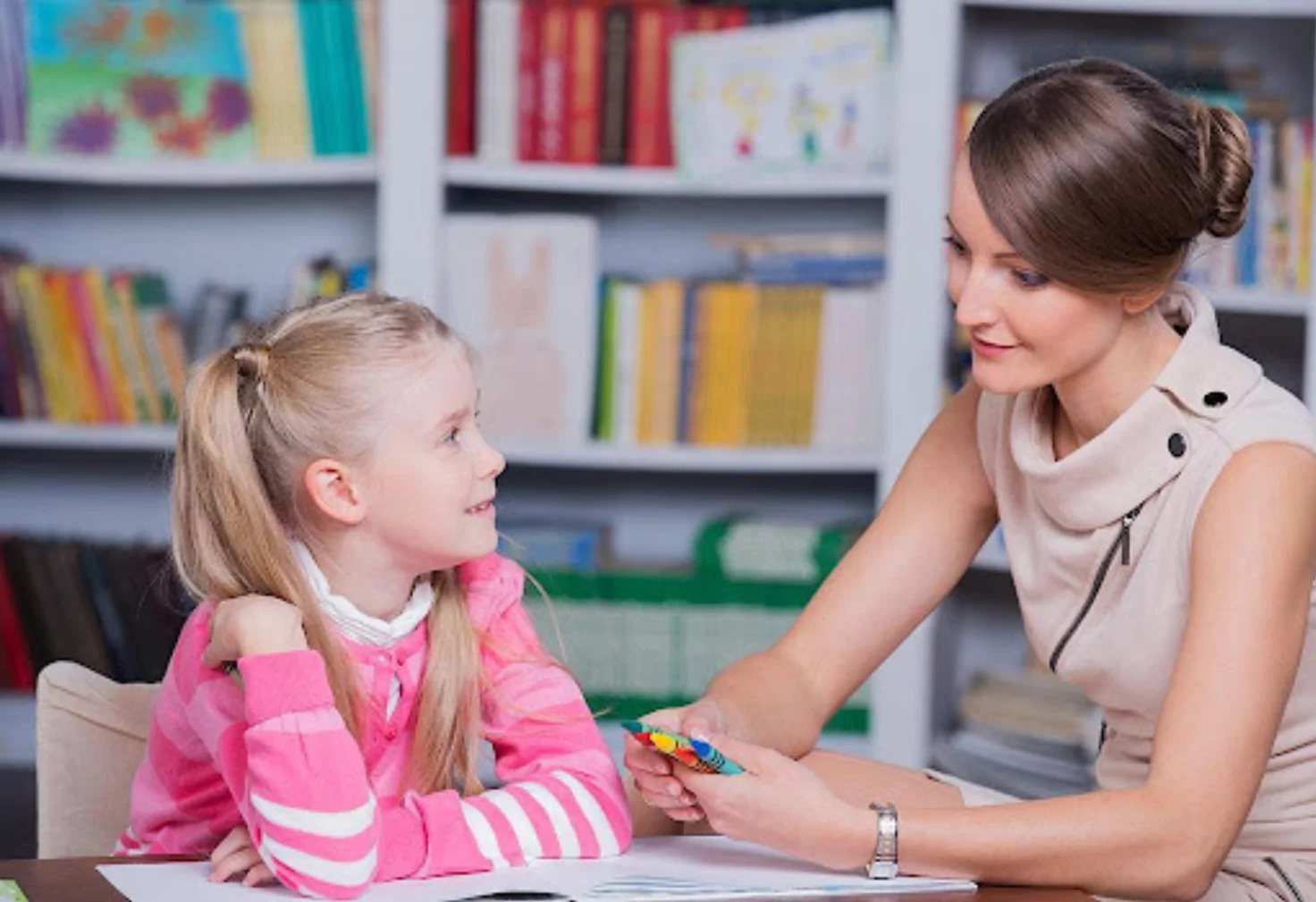
Teachers are pivotal in recognizing and interpreting the emotional cues exhibited by children. The awareness and emotional intelligence of educators impact their ability to nurture empathy and self-awareness in students. Teachers who engage in emotional reflection can adapt their methods to better meet the emotional and educational needs of their students. This reflection can lead to improved emotional regulation and social skills development among students. Creating an environment that encourages open dialogue about emotions provides children with the opportunity to express themselves freely, thus enhancing their emotional intelligence.
Enhancing Emotional Reflection in the Classroom
A classroom that prioritizes emotional expression not only aids in teaching emotional literacy but also supports better learning outcomes. Activities that involve role-playing or expressing emotions through art can facilitate deeper emotional comprehension and empathy. As children engage in these activities, they learn to articulate and manage their own emotions while also understanding their peers. By doing so, teachers contribute to developing emotionally resilient students who are confident in navigating their feelings.
The Role of Family Dynamics in Shaping Young Minds
Family dynamics are instrumental in shaping a child's emotional health, influencing their ability to form secure attachments and develop a robust sense of self.
Parenting Styles and Their Impact
Different parenting styles have varying effects on the emotional and psychological development of children. Authoritative parenting, which combines warmth with consistent boundaries, tends to yield children who are emotionally intelligent and confident. Children raised in authoritarian households might experience higher levels of anxiety and lower self-esteem. Meanwhile, permissive parenting could lead to challenges in emotional regulation and authority respect. By understanding these dynamics, families can create supportive environments that promote healthy emotional and psychological growth.
Encouraging Open Communication
Open communication within the family fosters a safe space for emotional expression. Active listening, empathy, and validation of emotions are crucial to such an environment. Regular conversations about experiences and feelings help children articulate their inner worlds, building a foundation for emotional maturity. By addressing emotions openly, families nurture resilience and self-assuredness in children.
Nurturing Social Skills: From Playtime to Playground
Social skills development is integral to a child's growth, with play serving as a vital mechanism for learning these skills.
The Role of Play in Early Development
Play is much more than entertainment; it is a crucial element in teaching children how to navigate social interactions. Through play, children learn cooperation, communication, and empathy. Activities such as team sports or group games provide structured environments where children can practice these skills. Play also enables children to manage anxiety and develop problem-solving abilities, preparing them for more complex interpersonal situations.
Structured Play and Peer Interaction
Structured play, including activities like cooperative games or sports, helps children learn to work as a team and handle conflict constructively. Peer interactions, particularly those in diverse groups, allow children to observe a range of behaviors and reactions, fostering empathy and social awareness. By integrating these structured interactions into daily routines, children enhance their ability to navigate social complexities.
Unlocking Emotional Regulation for a Balanced Life
Children who learn to regulate their emotions early in life tend to experience greater balance and resilience.
Mindfulness and Distress Tolerance
Mindfulness practices, which encourage self-awareness and present-moment focus, are crucial for emotional regulation. These techniques enable children to handle stress positively and develop resilience against anxiety. Distress tolerance skills help children manage strong emotions without resorting to impulsive reactions. Such skills are integral parts of therapies aimed at reinforcing emotional stability.
Reflective Practice in the Classroom
When teachers apply reflective practices, they contribute significantly to creating a classroom atmosphere that supports emotional growth. This involves conscious consideration of their own and their students' emotions, fostering a supportive environment where children feel valued and understood, thus supporting overall emotional development.
Building a Strong Foundation: Strategies for Confidence and Resilience
Confidence and resilience are essential traits that support a child's ability to face challenges and adapt to new situations.
Group Mentoring and Targeted Interventions
Engaging children in group mentoring programs can enhance their decision-making abilities and build self-efficacy. These programs offer support systems where children gain insights from peers and mentors, fostering resilience and confidence. Interventions such as cognitive-behavioral techniques help children develop the capability to cope with and overcome obstacles, strengthening their psychological foundations.
Reflective Practices and Positive Discipline
Reflective practices encourage teachers and parents to align their strategies in nurturing emotional intelligence. Positive discipline, which focuses on guiding rather than punishing, helps children develop self-control and a sense of responsibility, contributing to a supportive and resilient mindset.
Q&A
-
What is the importance of emotional development in children?
Emotional development is crucial for children as it lays the foundation for understanding and managing their emotions, developing empathy, and building healthy relationships. It is essential for their overall mental health and well-being, influencing their ability to cope with challenges and stress throughout life.
-
How can social skills impact a child's future success?
Social skills are vital for a child's future success as they enhance their ability to communicate effectively, collaborate with others, and resolve conflicts. These skills are key components in building networks and relationships that can lead to academic and career opportunities. Strong social skills also contribute to a child's self-esteem and confidence.
-
What strategies can be used for emotional regulation in children?
Strategies for emotional regulation in children include teaching them deep breathing exercises, helping them identify and label their emotions, and encouraging them to express their feelings through words or creative outlets like drawing. Consistent routines and modeling emotional regulation as an adult can also support children in managing their emotions effectively.
-
How does confidence building in children affect family relationships?
Confidence building in children can positively affect family relationships by promoting open communication, reducing conflict, and fostering mutual respect. When children feel confident, they are more likely to express their needs and emotions, leading to healthier interactions within the family. This can strengthen family bonds and create a supportive home environment.
-
What are some common signs of anxiety disorders in children, and how can families support them?
Common signs of anxiety disorders in children include excessive worry, restlessness, irritability, and avoidance of certain activities or situations. Families can support children with anxiety disorders by providing a safe and understanding environment, encouraging open discussions about their feelings, and seeking professional help if necessary. Building a routine and practicing relaxation techniques can also be beneficial.