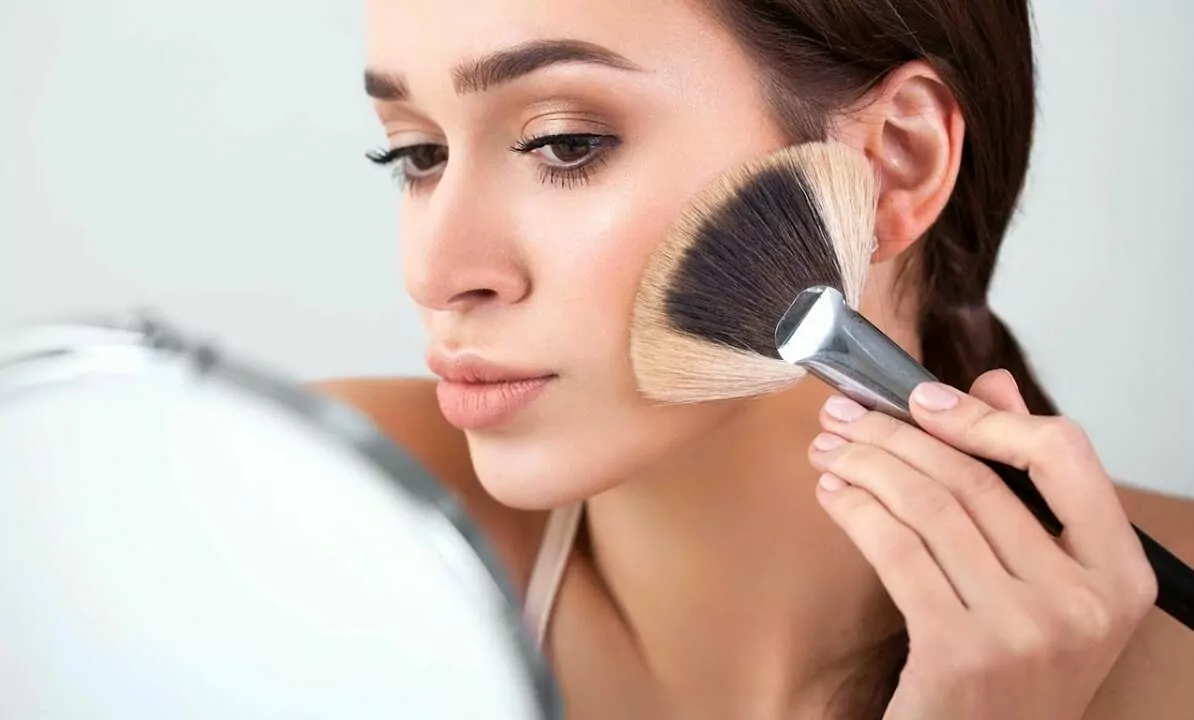
The Essential Makeup Kit: What Every Beginner Needs
Foundation or Tinted Moisturizer
Choosing the right base is crucial for any makeup look. Whether you prefer full coverage or a sheer veil, having a foundation or tinted moisturizer that matches your skin tone is essential. For beginners, a tinted moisturizer offers a more natural finish with some coverage. If you need more coverage, a liquid or powder foundation might be a better choice. Remember to test products on your skin, ensuring they blend seamlessly and don't settle into fine lines.
Selecting the Right Product
When picking a foundation, consider your skin type and its unique needs:
- Oily Skin: Opt for oil-free or matte formulas to control shine.
- Dry Skin: Choose hydrating, creamy textures for added moisture.
- Combination Skin: Look for a balanced formula suitable for both oily and dry areas.
- Sensitive Skin: Consider hypoallergenic or fragrance-free options to avoid irritation.
Concealer
Concealer is a versatile tool that can cover imperfections, brighten under-eye circles, and even contour. Choosing a high-coverage concealer is beneficial for beginners, as it helps even out skin tone and creates a smooth canvas. A good concealer should closely match your skin tone to avoid a patchy finish.
Application Tips
- Apply concealer after primer but before foundation for optimal coverage.
- Use a small brush or your fingers to blend it into the skin, concentrating on areas needing extra coverage like blemishes or dark circles.
Neutral Eyeshadow Palette
An eyeshadow palette with neutral shades is an excellent addition to any makeup kit. Neutral tones like beige, taupe, and soft brown are universally flattering, perfect for subtle daily looks or more dramatic evening appearances. A palette with both matte and shimmer shades allows for application versatility.
Choosing the Right Palette
- Beginner-Friendly: Select palettes with a range of colors from light to deep shades.
- Quality Over Quantity: Invest in high-quality shadows that provide longevity and smooth application.
- Versatility: Find a palette that transitions seamlessly from day to night looks.
Mascara and Brow Products
Eyes are the windows to the soul, and enhancing them can significantly impact your overall appearance. Quality mascara can lengthen, volumize, or curl lashes, depending on preference. Waterproof formulas can be helpful for longevity. Brow products like gels or pencils shape and fill sparse areas, creating a more defined, balanced face.
Tips for Application
- Mascara: Wiggle the wand at the base of your lashes to achieve volume and a curl effect.
- Brows: Use light strokes mimicking natural hair growth. Fill in areas gradually for a natural look.
Blush and Lip Products
Blush imparts a healthy flush to your cheeks, enhancing your complexion's natural radiance. Opt for a natural-looking blush for everyday wear, or choose a vibrant hue for special occasions. Lip products such as balms or lipsticks complete your look with added color and moisture.
Choosing the Right Shades
- Blush: Select shades complementing your skin tone for harmony.
- Lipstick: Begin with a neutral hue that pairs well with various outfits and situations.
Primer and Skincare Basics
Preparing your skin before makeup application is vital. A primer ensures longevity and provides a smooth makeup base. Additionally, include skincare basics like moisturizer and sunscreen to keep your skin hydrated and protected.
Skincare Routine
- Moisturizer: Use after cleansing and toning to lock in moisture.
- Sunscreen: Safeguard your skin against harmful UV rays, especially when spending time outdoors.
Foundation Basics: Choosing the Right Shade for You
Understanding Your Skin Undertones
The first step in selecting the right foundation is understanding your skin undertone. Your undertone refers to the underlying hue of your skin, which can be cool, warm, or neutral. Knowing your undertone is crucial as it ensures that the foundation blends seamlessly, providing a natural finish.
Vein Test
Observe the color of your veins under natural light:
- Blue or Purple Veins: Typically indicate a cool undertone.
- Green Veins: Suggest a warm undertone.
- Both Colors: Imply a neutral undertone.
Though useful, the vein test isn't always foolproof; consider other methods too.
Jewelry Preference
Your preference for certain metals can hint at your undertone:
- Silver and Platinum: Often chosen by those with cool undertones.
- Gold and Copper: Favored by warm undertones.
- Enjoy Both: You may have a neutral undertone.
Sunlight Reaction
Your skin's response to sunlight can offer additional clues:
- Burn Easily: Indicates a cooler undertone.
- Tan Easily: Suggests a warmer undertone.
Take note of how your skin behaves in the sun for better insight into your undertone.
Testing Foundation Shades
Once you've identified your undertone, it's time to test foundation shades. Aim for a perfect match that provides a flawless finish.
Swatch on the Jawline
The best area to test foundation is your jawline:
- Apply: A small amount just below your cheekbone.
- Importance of Natural Light: Check the match in natural light; it's the most accurate representation.
Pay attention to how the shade appears on your skin amid varying lighting.
Check in Natural Light
Always evaluate foundation under natural light, avoiding artificial sources that skew colors. Viewing your face outdoors or in a sunlit room gives an accurate depiction of the foundation's compatibility with your skin.
Tips for Different Skin Types and Tones
Differentiating skin types and tones necessitates unique foundation approaches.
Oily Skin
Look for formulations that control oil and shine:
- Matte/Oil-Free: Ideal for reducing shine.
- Slightly Lighter Shade: To avoid a cakey appearance.
Dry Skin
Hydrating foundations with moisturizing properties work best:
- Hydrating Formulas: Maintain moisture balance.
- Close to Skin Tone: For a natural finish.
Combination Skin
A hybrid approach that balances matte and moisturization is often necessary:
- Balance: Ensure products cater to both needs.
Seasonal Adjustments
Remember that your skin tone may vary with the seasons. During summer, consider a slightly darker shade due to potential tanning. Conversely, opt for lighter during winter months.
Final Thoughts
Selecting the right foundation is crucial for any makeup regime. Understanding undertones and employing testing techniques ensures a foundation that complements your complexion beautifully. By focusing on these practices, you'll confidently attain a flawless, natural look.
Eyeshadow Made Easy: Simple Techniques for Stunning Eyes
Choosing the Right Palette
When starting out, it’s essential to select an eyeshadow palette that suits both your skin tone and personal style. Neutral shades are a great place to begin because they work well on almost everyone and can be used for various occasions. Look for palettes that include matte, shimmer, and metallic finishes to add depth and dimension to your eye makeup. Consider purchasing travel-sized palettes initially to experiment with different colors before committing to larger collections.
Basic Application Techniques
Understanding how to apply eyeshadow correctly is key to achieving a polished look. Start by priming your eyelids with an eyeshadow primer; this helps prevent creasing and ensures better color payoff. Use a fluffy brush to blend the base color across your entire lid, then add lighter shades to the inner corner and brow bone for brightness. Apply darker hues along the outer corner and lower lash line to create definition and depth. Always remember to blend seamlessly between each shade using a clean blending brush.
Highlighting and Contouring
To make your eyes pop even more, consider adding highlights and contours. A light shimmery shade applied to the center of your lid can open up your eyes and draw attention. For contouring, use a slightly darker matte shade along the crease and outer corners to define and shape the eye socket. Be careful not to overdo it; subtlety is often more flattering than heavy-handed application.
Tools and Tips
Having the right tools makes all the difference when applying eyeshadow. Invest in quality brushes designed specifically for eyeshadow application. A flat shader brush is perfect for packing on pigment, while a small angled brush works wonders for precise lining. A fluffy blending brush is crucial for softening edges and creating smooth transitions between colors. Additionally, keeping your brushes clean helps maintain their effectiveness and extends their lifespan.
Experimentation and Practice
As with any skill, practice makes perfect when it comes to applying eyeshadow. Don’t be afraid to try new techniques and combinations. Start with simpler looks during the day and gradually move towards more complex evening looks as you gain confidence. Watching tutorials online or attending makeup classes can also provide valuable insights and inspiration. Remember, makeup should enhance your features rather than overshadow them, so always aim for balance and harmony in your application.
By following these tips and continuously practicing, you'll soon find yourself confidently creating beautiful eye makeup looks that suit your unique features and preferences. With time, you'll develop your own signature style, making every glance irresistible!
Tools of the Trade: Must-Have Brushes and Applicators
Essential Brushes Every Novice Should Own
Foundation Brushes for Smooth Application
One of the first steps in any makeup routine is applying foundation. A good foundation brush ensures an even and smooth application, giving you a flawless base. Look for brushes with dense bristles that allow for better product control. Brands like Real Techniques and Sigma offer affordable options that are perfect for beginners. These brushes help blend foundation seamlessly into your skin, creating a natural finish that looks like second skin.
Blending Brushes for Eyeshadow Gradients
Once you've mastered your base, it's time to move onto the eyes. A blending brush is essential for creating soft and seamless eyeshadow transitions. Choose a fluffy brush with soft bristles that can pick up just the right amount of pigment. This type of brush helps you achieve gradient effects, making your eyes pop without looking harsh. Some popular choices include the Morphe M538 and the BH Cosmetics 105 Eye Shader Brush.
Angled Brushes for Precision
For those who want to add definition to their eyes or shape their brows, an angled brush is a must-have. Its slanted design allows for precise application, whether you're lining your eyes with eyeliner or filling in sparse areas of your eyebrows. Brands like EcoTools and CoastalSociety offer affordable angled brushes that are great for beginners. They provide control and accuracy, ensuring your makeup looks polished and professional.
Basic Applicators for Flawless Makeup
Beauty Sponges for Natural Finish
Beauty sponges, particularly the popular beauty blender, are indispensable for achieving a natural-looking finish. These sponges are perfect for buffing out any harsh lines or unevenness in your makeup. They work well with liquid and cream foundations, helping to create a seamless blend. When choosing a sponge, look for one that feels soft and bouncy. Proper care, such as washing it regularly, will extend its life and keep it hygienic.
Eyelash Curlers for Lifting Lashes
No makeup routine is complete without curled lashes. An eyelash curler is a simple yet effective tool that lifts and curls your lashes, making them appear longer and fuller. There are various types of curlers available, from basic handheld ones to more advanced heated versions. For beginners, a standard curler like the Revlon or Shu Uemura is sufficient. Remember to use it gently to avoid breakage and ensure your lashes stay healthy.
Tweezers for Clean Brows
Tweezers play a crucial role in maintaining clean and well-defined eyebrows. Regularly grooming your brows helps them look neat and enhances your overall makeup look. Opt for fine-tipped tweezers that provide precision, such as the Tweezerman Slant Tweezer. To maintain their effectiveness, keep them sharp and clean. You can use a file or a sharpening tool to keep them in top condition.
Tips for Maintaining Your Tools
Quality Over Quantity
When starting out, it's tempting to buy numerous brushes and applicators. However, it's more beneficial to invest in high-quality tools that will last longer. Look for brushes made from synthetic fibers, as they are easier to clean and less likely to irritate sensitive skin. Affordable brands like Real Techniques and EcoTools offer excellent quality without breaking the bank.
Cleaning and Storage
Proper maintenance of your tools is key to prolonging their lifespan. Clean your brushes and sponges regularly to prevent bacteria buildup. Use mild shampoo or a dedicated brush cleaner to wash them thoroughly. After washing, reshape the bristles and lay them flat to dry. Store your tools in a cool, dry place to avoid damage. Consider using brush guards or cases to protect them when not in use.
By selecting the right brushes and applicators and taking proper care of them, you'll be well-equipped to enhance your makeup skills and achieve stunning results. Happy experimenting and enjoy your makeup journey!
Achieving a Natural Look: Tips for Subtle Elegance
Skin Preparation: The Foundation of a Natural Look
Before applying any makeup, it's crucial to start with a well-prepared skin. Proper skincare is the first step towards a flawless base. Begin by cleansing your face thoroughly to remove any dirt or impurities. Follow up with a hydrating toner and a rich moisturizer to nourish your skin. For those with oily skin, consider using an oil-free moisturizer to prevent excess shine. A primer can further help even out your skin texture and provide a smooth canvas for makeup application. Primers designed for sensitive or dry skin can offer extra hydration and protection.
Lightweight Foundations and Blending Techniques
Choosing the right foundation is key to achieving a natural look. Opt for a lightweight formula that blends seamlessly into your skin. Tinted moisturizers and BB creams are excellent choices for those looking for a barely-there coverage. These products provide a sheer veil of color that mimics your skin tone, giving you a healthy glow without feeling heavy. When applying foundation, use a damp beauty sponge or a stippling brush to ensure even distribution and a smooth finish. Always blend the edges of the foundation around your hairline, jawline, and neckline to avoid a mask-like appearance.
Subtle Contouring and Highlighting
Contouring and highlighting can define your facial features subtly, adding depth and dimension without drawing attention to harsh lines. Use a contour shade that is one to two shades darker than your skin tone, and apply it along the sides of your nose, under your cheekbones, and along the jawline. Blend it out gently with a fluffy brush to soften the edges. For highlighting, choose a highlighter that matches your skin tone or has a slight shimmer. Apply it to the high points of your face, such as the tops of your cheeks, brow bone, and cupid’s bow, to catch the light and give your skin a radiant look.
Minimal Eye Makeup and Soft Colors
For a natural look, it's best to keep your eye makeup simple and understated. Start with a neutral eyeshadow palette, choosing shades that complement your skin tone. Apply a light wash of color across your eyelids, focusing on the crease for definition. Avoid using too many layers or bold colors, as they can make your eyes appear heavy and unnatural. Mascara can add a touch of drama, but opt for a lengthening or volumizing formula in a soft black or brown. If you prefer a more dramatic look, consider using a waterproof formula that won't smudge throughout the day.
Natural Lip Shades and Finishing Touches
Complete your natural makeup look with a soft lip color that enhances your lips without overpowering them. Nude or light pink shades are versatile and can suit most skin tones. Use a lip balm or tinted lip gloss for a sheer, glossy finish. If you prefer a more defined lip line, apply a long-lasting lipstick or a lip crayon in a similar shade. Finish off your look by setting it with a translucent powder or a setting spray to ensure longevity.
By following these tips and focusing on subtle, elegant techniques, you can achieve a natural makeup look that enhances your features and leaves you feeling confident and beautiful. Remember, practice makes perfect, so don't hesitate to experiment with different products and techniques until you find what works best for you.
Q&A
-
What are some essential tips for selecting the right foundation for beginners?
Choosing the right foundation is crucial for a natural and flawless look. Beginners should start by identifying their skin type (oily, dry, combination, or sensitive) and undertone (warm, cool, or neutral). Testing the foundation on the jawline in natural light can help ensure the best match. It's also important to consider the coverage level (light, medium, or full) depending on the desired look and skin needs.
-
How can beginners create a simple eyeshadow look?
For a simple eyeshadow look, beginners should choose a neutral palette with two to three shades. Start by applying a light base color across the entire eyelid, then use a slightly darker shade in the crease to add depth. Blend well to avoid harsh lines. For a natural finish, highlight the brow bone with a light shimmer or matte shade.
-
What basic tools are necessary for a beginner's makeup kit?
A beginner's makeup kit should include essential tools such as a foundation brush or sponge, a concealer brush, a blending brush for eyeshadow, an angled brush for eyebrows, and a blush brush. Investing in quality tools can make application easier and enhance the overall makeup look.