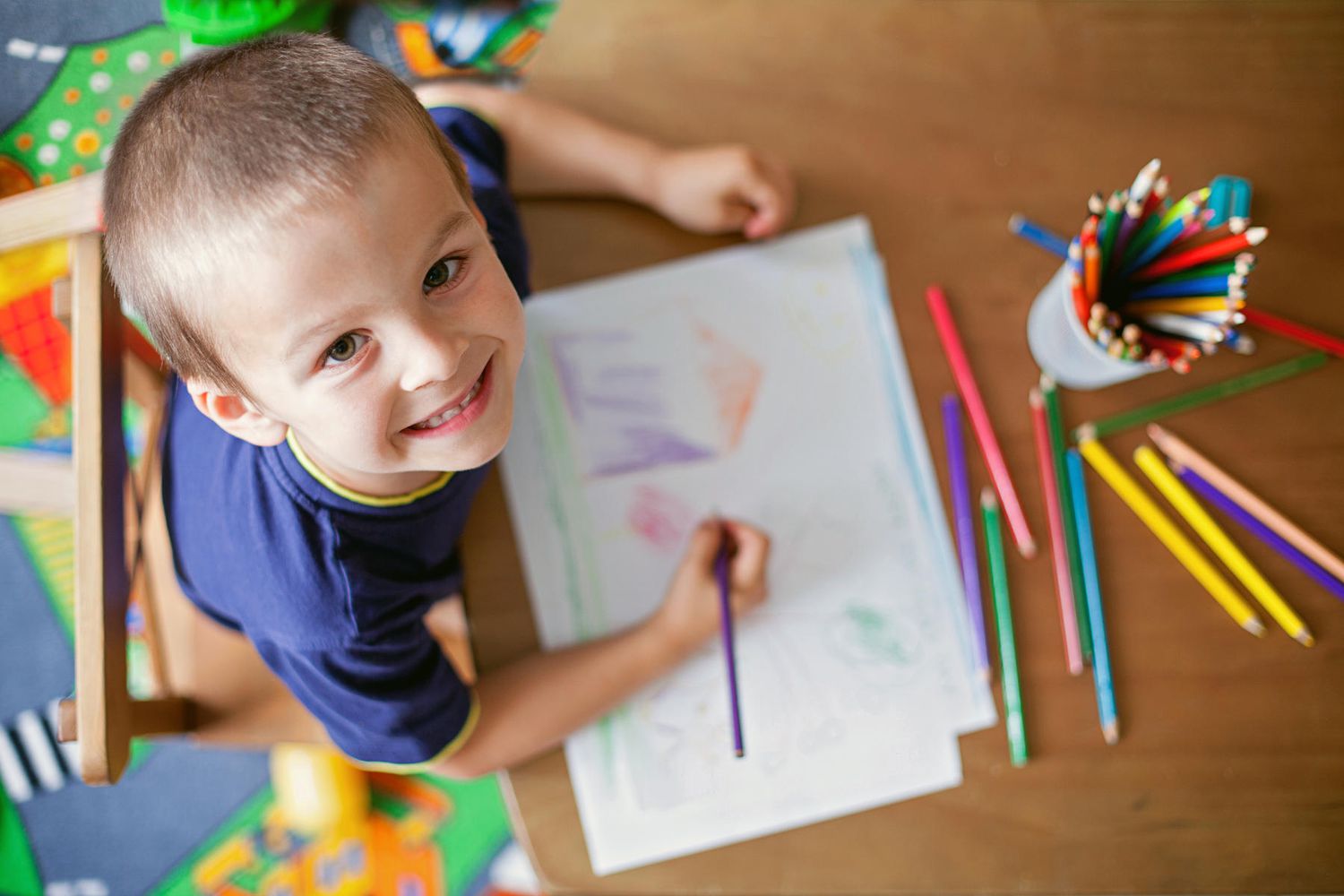
The Colorful Palette of Childhood: Exploring Artistic Diversity
Expanding Artistic Horizons with Varied Mediums
In the vibrant world of children's art, diversity in artistic media is essential for nurturing creativity. Offering a variety of elements—from painting and sculpting to digital animation—provides children with numerous avenues to explore their imagination. Engaging diverse artistic tools can stimulate cognitive development, fostering skills that will benefit them throughout their lives.
Community Engagement and Skill Development
Building community engagement is crucial when nurturing children's artistic expression. Programs offered by various cultural institutions and museums provide platforms for youth creativity through diverse artistic media such as summer camps, exhibitions, and outreach initiatives. These events not only help develop artistic skills but also enhance social interaction and emotional growth.
Activities celebrating art—ranging from painting and sculpture to performing arts—encourage children to explore their talents and bolster their confidence. Additionally, through immersive experiences and peer collaboration, children learn to appreciate different perspectives, fostering an inclusive artistic community that celebrates diversity in expression.
Ensuring Equity and Inclusion in Art Education
Incorporating equity and inclusion into art education policies ensures that every child, regardless of background, has the opportunity to engage with art. The Creative Youth Plan 2023–2027 addresses this by promoting art forms that reflect diverse identities and cultural narratives, fostering open dialogue and inclusiveness.
By engaging communities in collaborative art projects, these initiatives encourage children to express themselves, bridging cultural divides and deepening mutual understanding. This approach not only enriches the learning experience but also prepares young minds for a progressive society where diversity is celebrated and valued.
Playful Strokes: How Simple Tools Inspire Big Creativity
Rainbow Scratch Art: Visual Discovery and Expression
Art transforms into a delightful journey when young imaginations explore vibrant canvases. Rainbow Scratch Art, a favorite among many children, merges simplicity with creativity, inviting them to unveil hidden wonders through tactile engagement. This method involves scratching away at surfaces to reveal vibrant hues beneath, stimulating both artistic expression and motor skills.
Children embarking on this imaginative adventure discover the joy of creation as they experiment with different techniques and colors. As they engage in this art form, their concentration and attention to detail improve, fostering a deeper connection with the creative process. This hands-on experience not only delights but also nurtures essential developmental skills, blending playful curiosity with lasting educational value.
Crafting with Stamps: Structured Creativity
Encouraging children to find beauty within the everyday, stamp art projects enable structured yet free-spirited creativity. With pre-packaged kits containing various stamps, inks, and templates, children are encouraged to craft unique designs that reflect their personalities and interests.
These stamping activities allow for exploration of shape, color, and theme, promoting a hybrid of guided instruction and spontaneous creativity. Through this dynamic combination, children gain confidence in their artistic abilities, recognizing the value of trial and error and the beauty in imperfection.
Ozobot Robots: Connecting Art with Technology
Blending creativity with technology, programmable Ozobots offer a unique platform for creative expression. These small robots respond to colored lines drawn on paper, inviting children to merge artistic and critical thinking skills. Engaging with this interactive tool, children embrace technological literacy alongside imaginative play.
This fusion of arts and technology encourages problem-solving, spatial awareness, and experimentation, fostering a deep appreciation for interdisciplinary creativity. Ozobots not only captivate young artists but also prepare them for future explorations where technology and art intersect.
Embracing Watercolor and Ink
For young artists, traditional mediums like watercolor and ink offer boundless opportunities for exploration. These tools provide a range of possibilities—from delicate washes to intense, vibrant strokes—encouraging children to delve deeper into emotional and artistic expression. By experimenting with watercolors and inks, children develop sensitivity to contrasts and an appreciation for both simplicity and complexity.
Watercolor and ink allow kids to reflect their evolving moods and perspectives in their artwork. As they transition from tentative brushstrokes to confident masterpieces, they build vital creative skills while capturing the nuance of their imagined worlds.
Dancing in Paint: Embracing Movement in Art
Kinetic Art: Physical Expression Meets Creativity
Kinetic art enriches traditional art experiences by challenging young artists to integrate physical movement into their creative process. Using large canvases and paint that moves with them, children express themselves freely, conveying emotions and narratives through the rhythm of their bodies.
Art therapists have embraced this expressive technique, recognizing its power to enhance emotional well-being among children. By painting in motion, kids discover a deeper connection to their artwork, transforming ideas into masterpieces that reflect their personal journeys and inner worlds.
Integrating Music and Dance in Artistic Expression
Music and dance serve as vibrant companions to kinetic art, inspiring free-flowing creativity and immersive experiences. By integrating music into art lessons, educators provide an enriching environment where children can explore synchronicity between movement and artistic output.
As children warm up with rhythm and dance, they become inspired to express their creativity through fluid brushstrokes and bold compositions. This synergy between movement and art deepens their understanding of the creative process while building confidence and collaboration skills.
Encouraging Creativity and Coordination
Movement-based art experiences promote growth in children's creative and physical abilities. Encouraging exploration of rhythm, space, and sensory awareness, these sessions develop both coordination and confidence. Contemporary educational theories advocate for kinetic engagement as essential for holistic learning, recognizing the significance of physical experiences in artistic development.
These techniques offer young artists the freedom to express themselves authentically, instilling in them a love for art that extends beyond the classroom. By embracing their natural curiosity and joy for creation, children experience art in all its dynamic, transformative beauty.
From Imagination to Creation: Transforming Ideas into Masterpieces
The Power of Imagination
Awakening creativity in children begins with encouraging their imaginations to flourish. Children possess a unique ability to see possibilities others might overlook, transforming intangible ideas into vivid artworks through their unique perspectives.
Imagination fuels artistic expression, allowing children to visualize their inner worlds through brushstrokes and color. By nurturing this creativity, parents and educators help children build a rich inner landscape that inspires ongoing creative exploration.
Bringing Ideas to Life: Choosing Mediums
Once inspired, young artists choose mediums that best capture their ideas—whether through painting, sketching, or digital art. Each medium represents unique challenges and opportunities, guiding children through critical decisions about artistic representation and expression.
Testing their creative flexibility, children learn that different materials offer varying benefits, promoting problem-solving, motor skills, and cognitive growth. Empowered to experiment, children refine their skills, finding joy in watching their visions take shape.
Artistic Challenges and Growth
Artistic expression is a journey marked by both obstacles and triumphs, challenging young artists to persevere through setbacks. By encouraging resilience and persistence, educators foster a growth mindset that teaches children the value of hard work and patience.
Navigating this creative path, children develop not only artistic skills but also life lessons in overcoming challenges and celebrating successes. Through their artistic endeavors, they gain confidence in their abilities, strengthening their self-esteem and artistic identity.
The Role of Storytelling in Artistic Expression
Narrative and Visual Art Synergy
Using storytelling as a foundation for art empowers children to express their ideas creatively and coherently. Encouraging visual storytelling enables them to connect personal narratives with artistic endeavors, crafting imaginative worlds through brushstrokes and colors.
Educational settings can benefit from integrating storytelling with art instruction, enhancing children's engagement and expression. Activities that prompt children to draw inspiration from narratives also foster a deeper understanding of artistic integrity and intention, making learning more personal and powerful.
Empowerment Through Storytelling
Empowering children to share their personal stories through art elevates their sense of self and purpose. Initiatives promoting storytelling within art encourage risk-taking and creative exploration, ultimately strengthening confidence and agency among young artists.
Given the freedom to shape their artistic identities, children harness storytelling as a tool for complex expression, exploring powerful themes and emotions. These storytelling adventures inspire openness, humanity, and connection, nurturing relationships among peers and across art communities.
Artistic Depth and Complexity
By delving into emotional storytelling through art, children embrace complexity and emotional depth in their pieces. Illustrating pivotal moments and experiences, young artists use storytelling to uncover multifaceted layers of self-expression, adding rich emotional texture to their art.
This approach allows children to reflect on their lives and experiences, gaining insights into both themselves and the broader world. Encouraged to explore art's limitless possibilities, young artists develop sensitivity, empathy, and sophistication in their creative endeavors.
Nurturing Tomorrow's Innovators: The Impact of Artistic Exploration
Imagination and Emotional Health
Artistic exploration plays a vital role in nurturing imagination and emotional health among children. Through hands-on activities in art classes, music lessons, and dance, young learners discover and express their creativity while developing essential emotional intelligence and social skills.
These experiences provide a creative outlet for self-expression, building self-awareness and refining emotional regulation. By encouraging free exploration, adults support a well-rounded approach to holistic development, empowering children as future thinkers and innovators.
Cultivating Critical Thinking
Engagement in diverse art forms fosters essential critical thinking skills, prompting children to analyze composition and technique critically. Artistic exploration urges flexible thinking, empowering young minds to solve problems from new angles.
Creative disciplines instill skills necessary for success across various domains—whether in future academic, professional, or personal contexts. By nurturing analytical thinking and adaptability, educators prepare children to face future challenges with resilience and resourcefulness.
Sustainability and Systems Thinking
Art fosters environmental and social awareness, promoting sustainability through systems thinking and eco-conscious activities. When integrated with experiential learning, artistic exploration encourages curiosity about the world's interconnected complexities.
Children engage in creative inquiries that inspire advocacy for sustainability, reflecting on ecological and social responsibilities. As they view art as a platform for change, young minds envision a better future, contributing positively to their communities and the planet.
By embracing the artistic journey, we empower children to express themselves fully, developing skills that prepare them for a bright future. Through diverse artistic exploration, we nurture tomorrow's innovators who transform imaginative worlds into meaningful realities.
Q&A
-
What are the benefits of taking art classes for beginners?
Art classes provide a structured environment for beginners to explore their creativity and develop foundational skills in various mediums. They offer guidance from experienced instructors, which can enhance techniques and foster confidence. Additionally, art classes often encourage collaboration and feedback, which are valuable for personal growth and artistic development.
-
How can music lessons enhance cognitive abilities?
Music lessons have been shown to improve cognitive functions such as memory, attention, and spatial-temporal skills. Learning to play an instrument requires coordination, discipline, and practice, which can translate to improved academic performance and problem-solving skills. Moreover, music lessons can enhance emotional intelligence and provide a therapeutic outlet for stress relief.
-
What should you consider when choosing dance classes?
When selecting dance classes, consider the style of dance you are interested in, such as ballet, jazz, or hip-hop. Evaluate the experience level of the instructors, the class size, and the facilities available. It's also important to consider your personal goals, whether you aim to dance professionally or simply enjoy a new hobby for fitness and fun.
-
How do theatre performances contribute to cultural awareness?
Theatre performances offer audiences a window into different cultures, histories, and perspectives. They can educate and challenge societal norms, promoting empathy and understanding among diverse audiences. Theatre also serves as a medium for storytelling, preserving cultural heritage and inspiring social change through powerful narratives.